Historical Figures and Trailblazers
The month of May was chosen to commemorate APIDA month because the first Japanese immigrant came to the United States on May 7, 1843, and for the anniversary of the completion of the transcontinental railroad on May 10, 1869.
This virtual display honors the pioneers and trailblazers that went on to conduct research, discover treatments, and help improve the health of millions. On the following pages, there are helpful ebooks and online resources portraying the impact of these pioneers and how to support the health of the APIDA community.
This display is part of the Leatherby Libraries’ Diversity, Equity, and Inclusion efforts in alignment with the Chapman University Strategic Plan for Diversity & Inclusion, fostering a diverse and inclusive campus climate.
Historical Figures and Trailblazers
Yellapragada SubbaRow (1896 - 1948) - SubbaRow was a physician and biochemist born in British India (now Pakistan) in 1895. SubbaRow decided that the practice of medicine was an excellent way to serve humanity and enrolled at Harvard Medical School in 1923 to study tropical medicine after the deaths of two of his brothers from the tropical disease sprue. He later joined Harvard's department of biochemistry, where he began working with biochemist Cyrus Fiske. Their work ultimately led to the discovery of phosphocreatine and adenosine triphosphate as energy sources for muscle. In May 1940, SubbaRow joined Lederle as associate director of research, overseeing the development of vitamins and antibacterial compounds such as penicillin. He discovered that a newly recognized vitamin, folic acid, effectively reversed certain forms of leukemic disease. SubbaRow's discovery of phosphocreatine laid the groundwork for understanding ATP, the energy currency used by cells and muscles. SubbaRow also developed the first effective drugs to treat some forms of childhood leukemia.Okihiro, G. Y. (2013). Asian and Pacific Islander Americans. Salem Press.
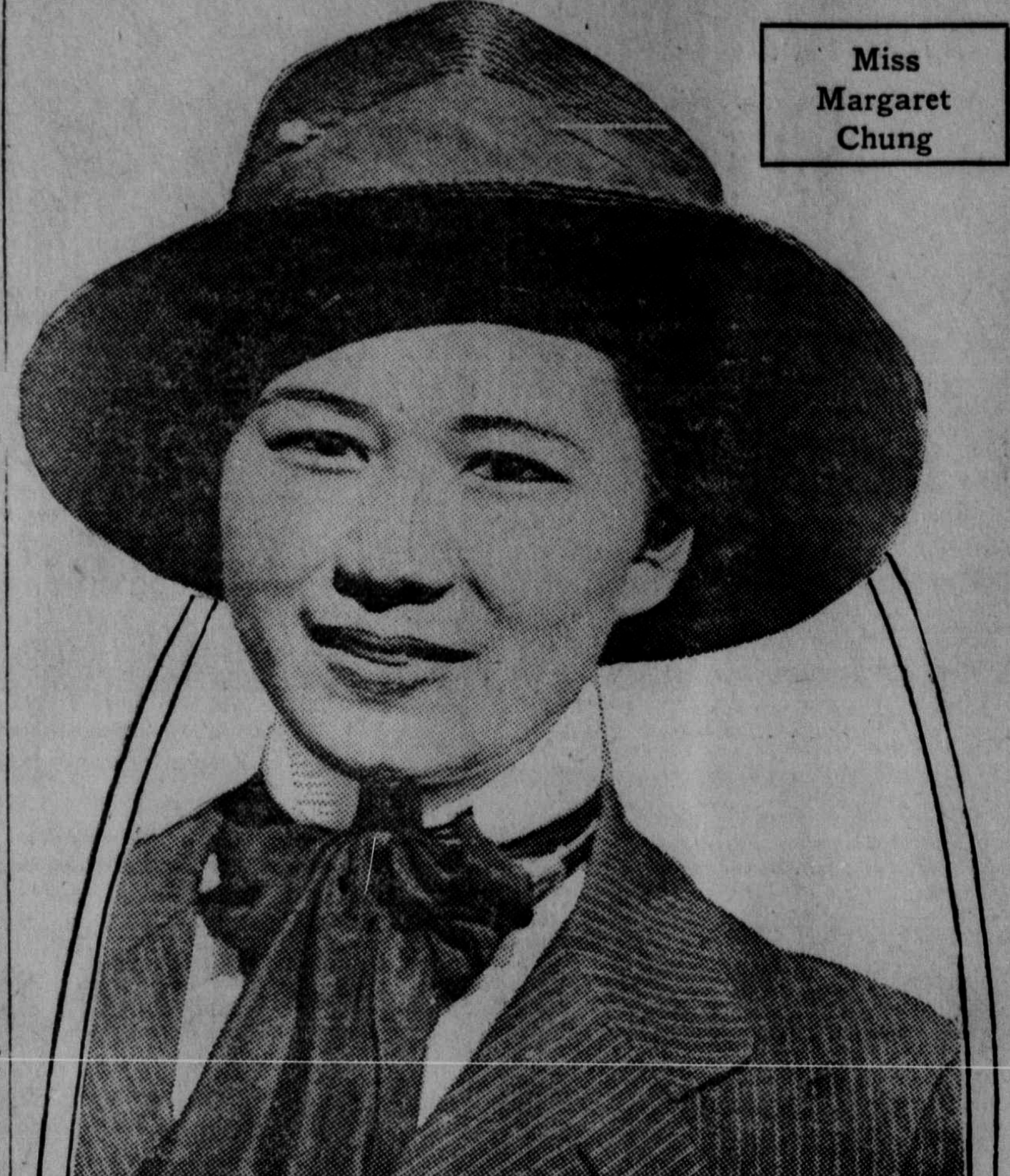
Margaret Chung, MD (1899 - 1959) - Margaret Chung was the first American-born Chinese woman physician. Born in Santa Barbara, Chung supported her migrant parents as a child and earned enough money from scholarships and odd jobs to put herself through college and medical school. In 1916, Margaret Chung graduated from the University of Southern California's College of Physicians and Surgeons. Chung became one of the founding physicians of the Chinese Hospital in San Francisco's Chinatown in 1925. Chung recruited the first two hundred American aviators of the Flying Tigers. She was instrumental in lobbying for creating the Naval Women's Reserve (WAVES). Chung is best remembered for her efforts to support the Allied forces during World War II. Still, she also pioneered across both racial and gender lines and challenged widespread prejudicial attitudes regarding the abilities of women and Asian Americans.
Woodbury, M. (2021). Margaret Chung. Salem Press Biographical Encyclopedia.
Min Chueh Chang, Ph.D. (1908 - 1991) - Chang was a reproductive biologist born in China in 1908. Chang emigrated to England and received a degree in animal husbandry from the University of Edinburgh in 1939 and later a doctorate at Cambridge University in 1945. In 1945 he went to the United States, joining the Worcester Foundation, where he was to spend the decisive years of his career. He worked with Dr. Gregory Pincus and Dr. John Rock on the creation of an oral contraceptive for women. Chang is also credited with discovering in vitro fertilization through work he conducted in the 1950s and a process known as the capacitation of sperm.
Min Chueh Chang, In Context. (2016) Molecular Reproduction & Development, 83 (10), 843.
Tetsuko Akutsu, MD, Ph.D. (1922 - 2007) - Tetsuzo Akutsu was a world expert in artificial heart development. Born in Japan in 1922, Akutsu received his M.D. degree in 1947 from Nagoya University School of Medicine. In 1954 he was awarded the first Ph.D. in Japan in extracorporeal circulation and then placed in charge of hypothermia and artificial hibernation in the Department of Surgery until 1957. Akutsu joined the Cleveland Clinic Foundation in 1957 as a research fellow and a member of Willem Kolff ’s artificial heart team at the Cleveland Clinic. The team implanted a total artificial heart in an animal that lived for 90 minutes, the first successful experimental implant of a total artificial heart in the United States. Akutsu was recognized as a chief collaborator on this team. His monumental contributions are well described in leading to the first total artificial heart implanted in a human being by Dr. Denton A. Cooley.
In Memorium: Tetsuzo Akutsu, 1922-2007. (2008) Texas Heart Institute Journal, 35 (1), 4.
Har Gobind Khorana, Ph.D. (1922 - 2011) - Har Gobind Khorana was an organic chemist born in British India (now Pakistan) before coming to the US in 1960. Khorana began working at the University of Wisconsin in 1960 and complimented the work of Marshall W. Nirenberg at the National Institutes of Health. Khorana's expertise in chemical synthesis allowed him to synthesize more and larger nucleic acids, which were crucial steps in the final "cracking" of the genetic code by mid-decade. Nirenberg, Khorana, and Robert W. Holley shared a Nobel Prize in 1968 due to this work. His work significantly advanced the general scientific conception of many biological processes.
Vigue, C. L. (2021). Har Gobind Khorana. Salem Press Biographical Encyclopedia.
Ayub Khan Ommaya (1930 - 2008) - Ommaya was a neurosurgeon and authority on brain injuries. Ommaya was born in Pakistan in 1930 before studying at Oxford University. In Oxford, Ommaya developed an interest in the mechanism of brain injury. As a result, he received an opportunity at the US National Institute of Neurological Disorders and Stroke in 1966, where he developed the first comma scale and the Ommaya reservoir. Ayub Ommaya was a professor of neurosurgery at George Washington University and chief medical adviser to the US National Highway Traffic Safety Administration. One of his patients was the daughter of a congressman who chaired the Transportation Appropriations Subcommittee. He told him of the shortage of funds for injury research, which led to the creation of the National Center for Injury Prevention and Control.
Geoff Watts. (2008). Ayub Khan Ommaya. The Lancet, 372, 1540.
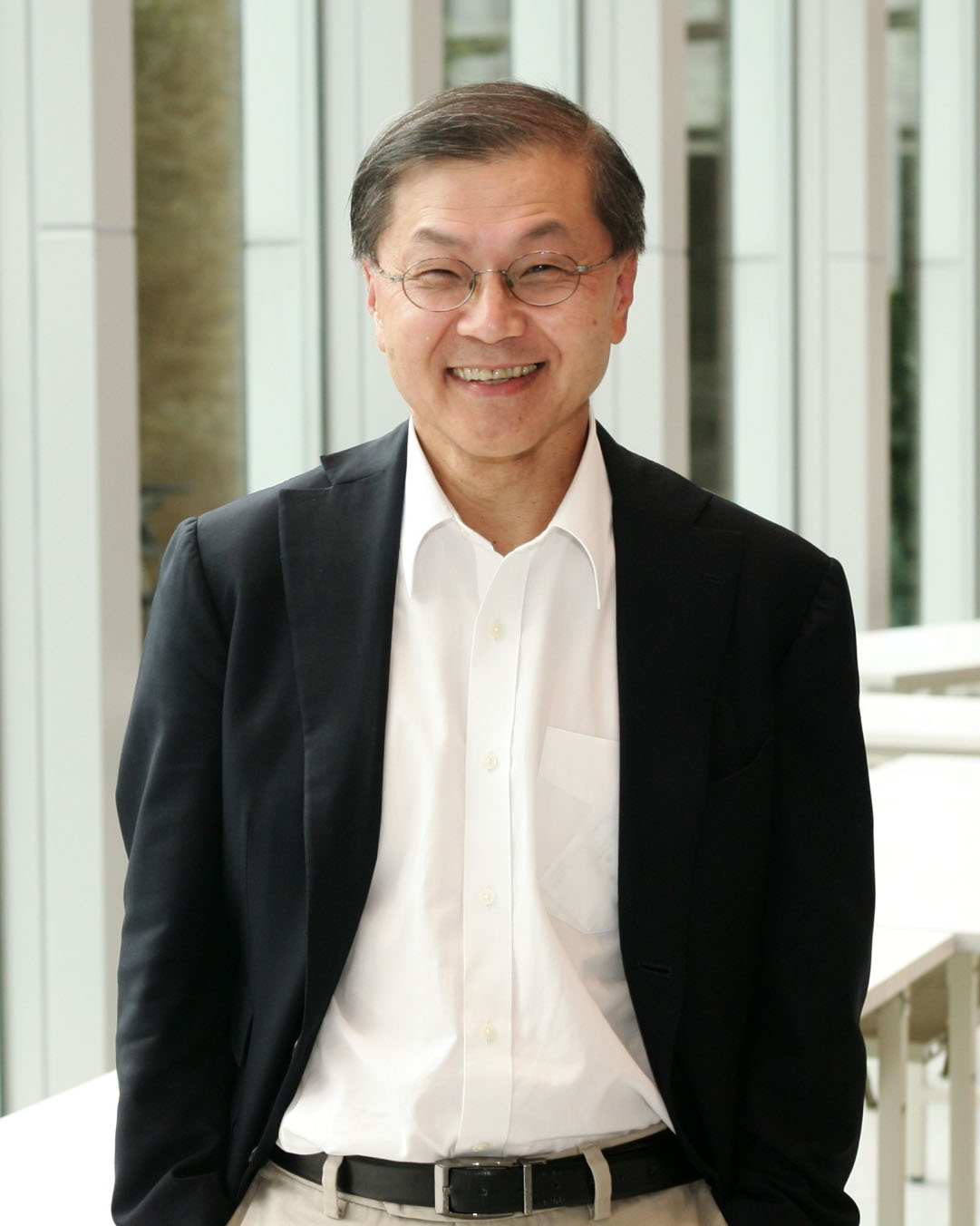
David Da-i Ho, MD (1952 - Present) - David Ho is a Taiwanese-American AIDS researcher, physician, and virologist. Ho was born in Taiwan in 1952 before immigrating to the United States, where he grew up in Los Angeles. His series of high-profile papers in AIDS research, specifically on viral replication and dynamics, gave the first significant insights into the dynamics of HIV infection in humans. At age 37, Ho was chosen to run the Aaron Diamond AIDS Research Center (ADARC). Ho is perhaps best known for showing in 1996 that combining antiretroviral drugs can drive HIV down to undetectable levels. In 1996, he edged out Bill Clinton, Bill Gates, and Mother Teresa to become Time's Person of the Year.
Mandavilli, A. (2004). Profile: David Ho. Nature Medicine, 10(11), 1150.
Katherine Luzuriaga, MD - Luzuriaga is a board-certified Filipino-American physician and pediatric immunologist. She completed her undergraduate and master’s degrees in Biochemistry at the Massachusetts Institute of Technology (MIT) and her medical degree at Tufts University School of Medicine. Luzuriaga was named one of Time 100’s most influential people in the world in 2013 for being a member of a team that found a breakthrough that “functionally cures” newborns of AIDS when it is transmitted to them from their mother during birth. She has been at the forefront of pediatric HIV/AIDS research. She has received numerous accolades for her life-changing research, including a Scholar Award and the Elizabeth Glaser Scientist Award from the Elizabeth Glaser Pediatric AIDS Foundation.
Marjorie K. Leimomi Mala Mau, MD, MS, MACP, FRCP - Dr. Mau is the inaugural chair of the Department of Native Hawaiian Health (DNHH), the only clinical department in an accredited US medical school dedicated to indigenous health. Dr. Mau is also a University of Hawaiʻi Native Hawaiian health professor and has become the first Native Hawaiian woman to be recognized as a “master” physician by the American College of Physicians.
Nader Haghighipour, & Kirsten L.L. Oleson. (2016). Marjorie Mau first Native Hawaiian woman ranked master physician. ACI Scholarly Blog Index; May 11, 2016.