Pioneers and Trailblazers
1 2022-01-29T00:04:28+00:00 Ivan Portillo 741ad6f42573dbb784db9511d4627772eb86aa19 193 42 Containing historical African American pioneers in medicine plain 2024-01-30T22:41:05+00:00 David Carson 723ce044ababd187a4457b00bec1d6bce0365855Page
| resource | rdf:resource | https://scalar.chapman.edu/scalar/black-history-month---a-digital-display/black-history-month---pioneers-in-medicine |
| type | rdf:type | http://scalar.usc.edu/2012/01/scalar-ns#Composite |
| is live | scalar:isLive | 1 |
| was attributed to | prov:wasAttributedTo | https://scalar.chapman.edu/scalar/black-history-month---a-digital-display/users/180 |
| created | dcterms:created | 2022-01-29T00:04:28+00:00 |
Version 42
| resource | rdf:resource | https://scalar.chapman.edu/scalar/black-history-month---a-digital-display/black-history-month---pioneers-in-medicine.42 |
| versionnumber | ov:versionnumber | 42 |
| title | dcterms:title | Pioneers and Trailblazers |
| description | dcterms:description | Containing historical African American pioneers in medicine |
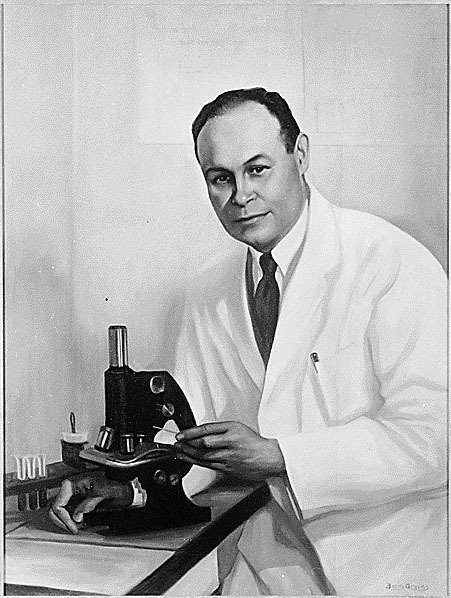
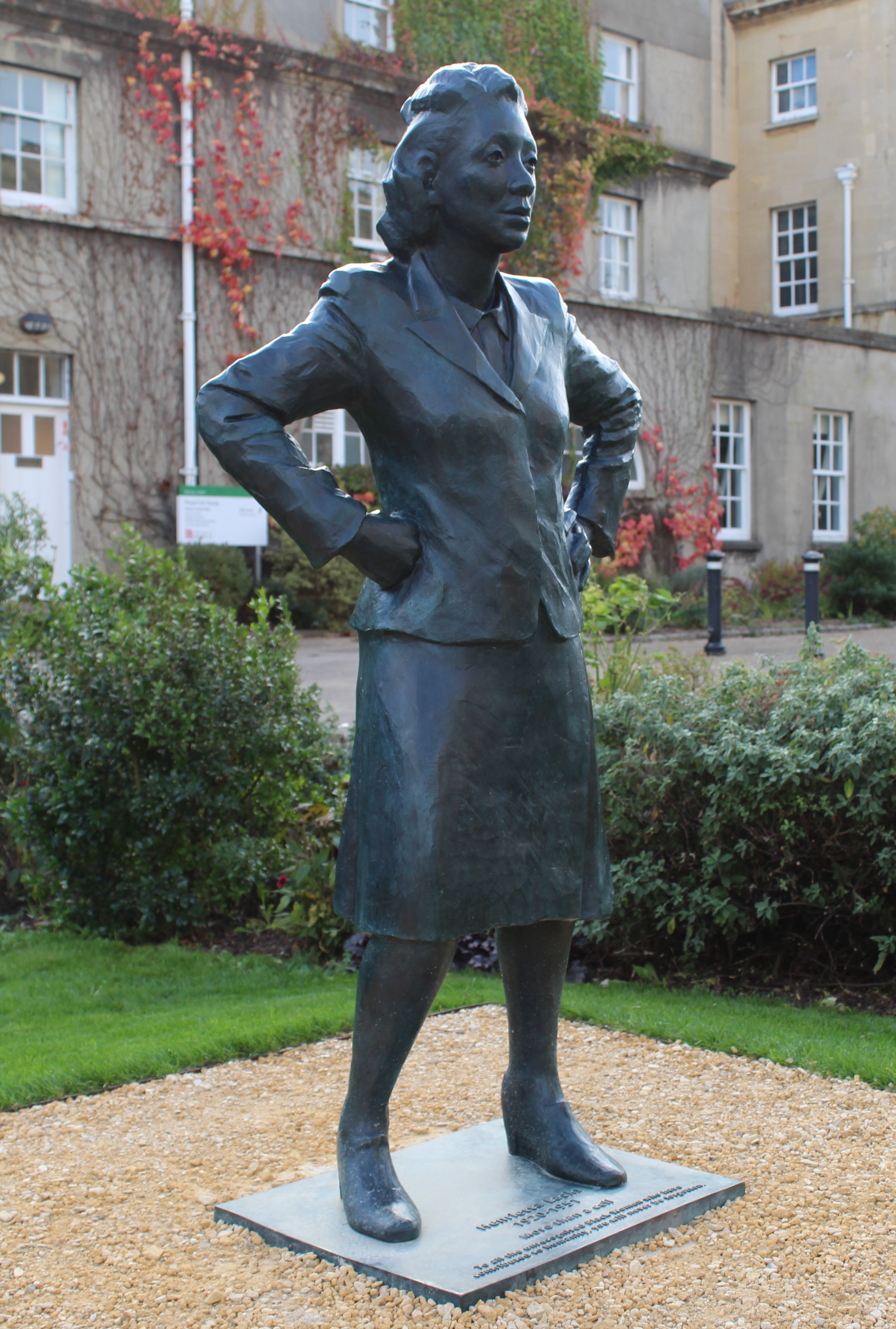
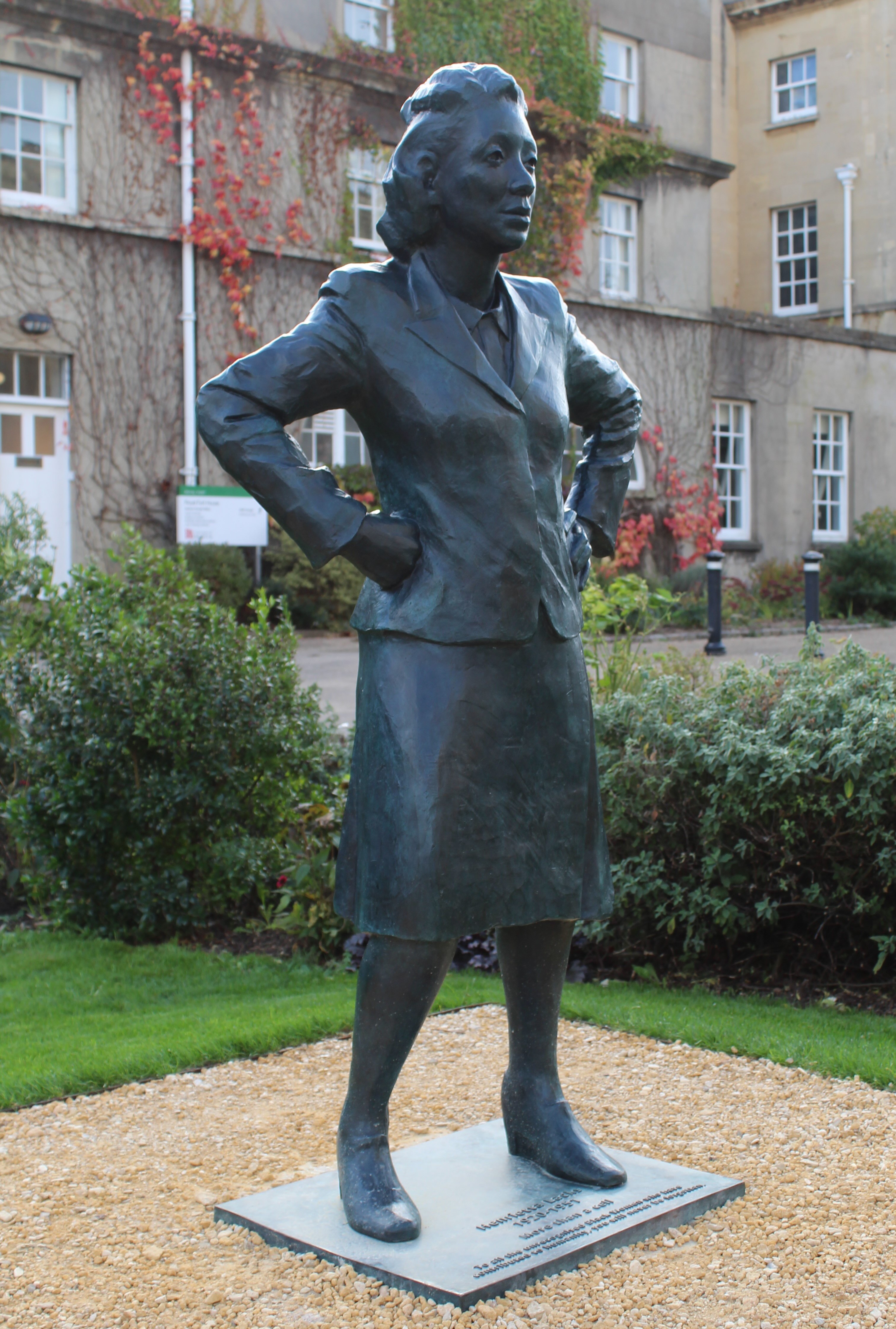
| content | sioc:content | James McCune Smith, MD (1813-1865) - Dr. James McCune Smith was a physician, intellectual, and abolitionist, and was recognized as the first African American to earn a medical degree. Born into slavery in New York City, Smith overcame barriers to graduate from the University of Glasgow with honors in medicine. His return to New York began a distinguished career in medicine and public health, where he challenged medical racism and explored the social determinants of health. Smith's writings, notably opposing the racial biases of his time and advocating for equality, laid the early groundwork for linking health disparities to socioeconomic conditions. Despite facing exclusion from the medical establishment, Smith's contributions to medicine, public health, and social justice have left an indelible mark on the field. Aggarwal NK. The legacy of James McCune Smith, MD - The first US Black physician. JAMA. 2021;326(22):2245. doi:10.1001/jama.2021.18511 Rebecca Lee Crumpler, MD (1831-1895) - Dr. Rebecca Lee Crumpler distinguished herself as the first African American woman to earn a medical degree. Born in Delaware, Crumpler was inspired by her aunt's dedication to caring for the sick, which propelled her into nursing in Massachusetts. Her exceptional skills and a recommendation from her colleagues enabled her to attend the New England Female Medical College, where she graduated in 1864. After the Civil War, Crumpler dedicated herself to treating formerly enslaved people in the South, utilizing her expertise in women's and children's health. She later returned to Boston, focusing on pediatric care and publishing A Book of Medical Discourses in 1883, a seminal work aimed at empowering women to manage household health. Despite the lack of recognition during her lifetime, Crumpler's legacy as a pioneering physician and author now serves as an inspiration, symbolized by the posthumous honoring of her grave in 2020. Her life's work underscored the importance of preventative care and the critical role of women in the medical field. Ferry G. Rebecca Lee Crumpler: first Black woman physician in the USA. The Lancet. 2021;397(10274):572. doi:10.1016/S0140-6736(21)00301-9 Mary Eliza Mahoney, RN (1845-1926) - Mary Eliza Mahoney broke racial and gender barriers to become the first African American professional nurse in the United States. Born in Boston to parents who had left North Carolina to escape prejudice, Mahoney was inspired by her early experiences caring for the sick, which led her to pursue nursing. She graduated from the New England Hospital for Women and Children's nursing program in 1872, distinguishing herself in a demanding field for nearly 40 years. Mahoney's commitment to professional nursing standards and patient care earned her respect and recognition, leading her to co-found a national association for nurses of color and advocate for African American nurses' rights and opportunities. A fervent supporter of women's suffrage, she was among the first women to vote in Boston after the passage of the Nineteenth Amendment. The Mary Mahoney Award commemorates Mahoney's contributions to nursing, and her legacy is enshrined in the ANA's Nursing Hall of Fame and the National Women's Hall of Fame, celebrating her pioneering role in nursing and her fight for equality. Ungvarsky J. Mary Mahoney (nurse). In: Salem Press Biographical Encyclopedia. Salem Press; 2022. Daniel Hale Williams, MD (1856-1931) - Dr. Daniel Hale Williams was a trailblazing physician, surgeon, and educator, known for performing the world’s first successful open-heart surgery in 1893. Born in Pennsylvania to a multiracial family, Williams faced early hardships but was determined to pursue a medical career. After earning his M.D. from the Chicago Medical College, he established himself in Chicago, where he founded Provident Hospital and Nursing Training School in 1891, one of the earliest interracial healthcare facilities in the U.S. Williams's groundbreaking operation on James Cornish involved repairing a stab wound to the heart without the modern advancements of anesthesia and antisepsis and demonstrated his extraordinary skill and innovation. Beyond his surgical achievements, Williams played a pivotal role in advocating for African American physicians' professional rights, co-founding the National Medical Association in 1895 as an alternative to the racially exclusive American Medical Association. His contributions to medicine and pioneering efforts in surgical techniques and hospital care left a lasting legacy, marking him as a significant figure in the medical profession. Luft E. Daniel Hale Williams. In: Salem Press Biographical Encyclopedia. Salem Press; 2023. Charles Richard Drew, MD (1904-1950) - Dr. Charles Richard Drew was a physician and medical researcher who revolutionized how blood was collected, stored, and used by developing the blood bank concept, significantly impacting medical care during World War II and beyond. Born in Washington, D.C., Drew excelled academically and athletically before pursuing a medical career. After graduating from McGill University Medical School, he focused his research on blood plasma and transfusions, leading to a method that allowed blood plasma to be stored for extended periods. His work culminated in establishing a blood bank system that provided critical support to Allied forces during World War II, despite the military's insistence on segregating blood by the donor's race. Drew's innovations saved countless lives during the war and laid the foundation for modern blood donation and transfusion practices. Tragically, Drew died following a car accident in 1950, but his legacy endures in the lifesaving techniques he pioneered and in the ongoing work of the American Red Cross blood program. Ball J. Charles Richard Drew. In: Salem Press Biographical Encyclopedia. Salem Press; 2022. Henrietta Lacks (1920-1951) - Born as Loretta Pleasant in Virginia, Henrietta Lacks moved to Baltimore after marrying, where she was diagnosed with cervical cancer at Johns Hopkins Hospital in 1951. While unconscious and undergoing radium treatment, Dr. Lawrence Wharton Jr. procured a sample of her cancerous cells to be used in research. They were then passed to pathologist Dr. George Gey, who discovered that her cancer cells were “immortal,” the first human cells that would continue to grow without dying in vitro. Since then, her cells were labeled HeLa cells and have been critical not only in vaccine development but in tens of thousands of medical studies and breakthroughs. The medical advancements made from her cells were revolutionary, yet her contributions took place without informed consent, allowing large companies to profit directly from her body, which was historically neither acknowledged nor recognized. While Johns Hopkins University has since attempted to honor Henrietta Lacks, her story raises important questions regarding medical ethics and biospecimens in research, particularly when considering marginalized communities and the medical exploitation of Black bodies. Dunn T. Henrietta Lacks. In: Salem Press Biographical Encyclopedia. Salem Press; 2023. Mae Carol Jemison, MD (1956- ) - Dr. Mae Carol Jemison has significantly impacted fields ranging from space exploration to medical research and education. Moving to Chicago at a young age, Jemison was determined to achieve her dream of becoming a scientist despite societal challenges. Excelling in both academics and athletics, she earned degrees in chemical engineering and African and Afro-American studies from Stanford University, followed by a medical degree from Cornell University. Jemison's diverse career includes serving as a Peace Corps medical officer in Liberia and Sierra Leone, becoming the first female African American astronaut in 1992 aboard the Space Shuttle Endeavour, and conducting experiments in space that combined her expertise in medicine and engineering. Post-NASA, Jemison founded the Jemison Group and the Dorothy Jemison Foundation for Excellence, promoting science education and technology. Good BB. Mae C. Jemison. In: Salem Press Biographical Encyclopedia. Salem Press; 2022. "> Pioneers and TrailblazersJames McCune Smith, MD (1813-1865) - Dr. James McCune Smith was a physician, intellectual, and abolitionist, and was recognized as the first African American to earn a medical degree. Born into slavery in New York City, Smith overcame barriers to graduate from the University of Glasgow with honors in medicine. His return to New York began a distinguished career in medicine and public health, where he challenged medical racism and explored the social determinants of health. Smith's writings, notably opposing the racial biases of his time and advocating for equality, laid the early groundwork for linking health disparities to socioeconomic conditions. Despite facing exclusion from the medical establishment, Smith's contributions to medicine, public health, and social justice have left an indelible mark on the field. Aggarwal NK. The legacy of James McCune Smith, MD - The first US Black physician. JAMA. 2021;326(22):2245. doi:10.1001/jama.2021.18511 Rebecca Lee Crumpler, MD (1831-1895) - Dr. Rebecca Lee Crumpler distinguished herself as the first African American woman to earn a medical degree. Born in Delaware, Crumpler was inspired by her aunt's dedication to caring for the sick, which propelled her into nursing in Massachusetts. Her exceptional skills and a recommendation from her colleagues enabled her to attend the New England Female Medical College, where she graduated in 1864. After the Civil War, Crumpler dedicated herself to treating formerly enslaved people in the South, utilizing her expertise in women's and children's health. She later returned to Boston, focusing on pediatric care and publishing A Book of Medical Discourses in 1883, a seminal work aimed at empowering women to manage household health. Despite the lack of recognition during her lifetime, Crumpler's legacy as a pioneering physician and author now serves as an inspiration, symbolized by the posthumous honoring of her grave in 2020. Her life's work underscored the importance of preventative care and the critical role of women in the medical field. Ferry G. Rebecca Lee Crumpler: first Black woman physician in the USA. The Lancet. 2021;397(10274):572. doi:10.1016/S0140-6736(21)00301-9 Mary Eliza Mahoney, RN (1845-1926) - Mary Eliza Mahoney broke racial and gender barriers to become the first African American professional nurse in the United States. Born in Boston to parents who had left North Carolina to escape prejudice, Mahoney was inspired by her early experiences caring for the sick, which led her to pursue nursing. She graduated from the New England Hospital for Women and Children's nursing program in 1872, distinguishing herself in a demanding field for nearly 40 years. Mahoney's commitment to professional nursing standards and patient care earned her respect and recognition, leading her to co-found a national association for nurses of color and advocate for African American nurses' rights and opportunities. A fervent supporter of women's suffrage, she was among the first women to vote in Boston after the passage of the Nineteenth Amendment. The Mary Mahoney Award commemorates Mahoney's contributions to nursing, and her legacy is enshrined in the ANA's Nursing Hall of Fame and the National Women's Hall of Fame, celebrating her pioneering role in nursing and her fight for equality. Ungvarsky J. Mary Mahoney (nurse). In: Salem Press Biographical Encyclopedia. Salem Press; 2022. Daniel Hale Williams, MD (1856-1931) - Dr. Daniel Hale Williams was a trailblazing physician, surgeon, and educator, known for performing the world’s first successful open-heart surgery in 1893. Born in Pennsylvania to a multiracial family, Williams faced early hardships but was determined to pursue a medical career. After earning his M.D. from the Chicago Medical College, he established himself in Chicago, where he founded Provident Hospital and Nursing Training School in 1891, one of the earliest interracial healthcare facilities in the U.S. Williams's groundbreaking operation on James Cornish involved repairing a stab wound to the heart without the modern advancements of anesthesia and antisepsis and demonstrated his extraordinary skill and innovation. Beyond his surgical achievements, Williams played a pivotal role in advocating for African American physicians' professional rights, co-founding the National Medical Association in 1895 as an alternative to the racially exclusive American Medical Association. His contributions to medicine and pioneering efforts in surgical techniques and hospital care left a lasting legacy, marking him as a significant figure in the medical profession. Luft E. Daniel Hale Williams. In: Salem Press Biographical Encyclopedia. Salem Press; 2023. Charles Richard Drew, MD (1904-1950) - Dr. Charles Richard Drew was a physician and medical researcher who revolutionized how blood was collected, stored, and used by developing the blood bank concept, significantly impacting medical care during World War II and beyond. Born in Washington, D.C., Drew excelled academically and athletically before pursuing a medical career. After graduating from McGill University Medical School, he focused his research on blood plasma and transfusions, leading to a method that allowed blood plasma to be stored for extended periods. His work culminated in establishing a blood bank system that provided critical support to Allied forces during World War II, despite the military's insistence on segregating blood by the donor's race. Drew's innovations saved countless lives during the war and laid the foundation for modern blood donation and transfusion practices. Tragically, Drew died following a car accident in 1950, but his legacy endures in the lifesaving techniques he pioneered and in the ongoing work of the American Red Cross blood program. Ball J. Charles Richard Drew. In: Salem Press Biographical Encyclopedia. Salem Press; 2022. Henrietta Lacks (1920-1951) - Born as Loretta Pleasant in Virginia, Henrietta Lacks moved to Baltimore after marrying, where she was diagnosed with cervical cancer at Johns Hopkins Hospital in 1951. While unconscious and undergoing radium treatment, Dr. Lawrence Wharton Jr. procured a sample of her cancerous cells to be used in research. They were then passed to pathologist Dr. George Gey, who discovered that her cancer cells were “immortal,” the first human cells that would continue to grow without dying in vitro. Since then, her cells were labeled HeLa cells and have been critical not only in vaccine development but in tens of thousands of medical studies and breakthroughs. The medical advancements made from her cells were revolutionary, yet her contributions took place without informed consent, allowing large companies to profit directly from her body, which was historically neither acknowledged nor recognized. While Johns Hopkins University has since attempted to honor Henrietta Lacks, her story raises important questions regarding medical ethics and biospecimens in research, particularly when considering marginalized communities and the medical exploitation of Black bodies. Dunn T. Henrietta Lacks. In: Salem Press Biographical Encyclopedia. Salem Press; 2023. Mae Carol Jemison, MD (1956- ) - Dr. Mae Carol Jemison has significantly impacted fields ranging from space exploration to medical research and education. Moving to Chicago at a young age, Jemison was determined to achieve her dream of becoming a scientist despite societal challenges. Excelling in both academics and athletics, she earned degrees in chemical engineering and African and Afro-American studies from Stanford University, followed by a medical degree from Cornell University. Jemison's diverse career includes serving as a Peace Corps medical officer in Liberia and Sierra Leone, becoming the first female African American astronaut in 1992 aboard the Space Shuttle Endeavour, and conducting experiments in space that combined her expertise in medicine and engineering. Post-NASA, Jemison founded the Jemison Group and the Dorothy Jemison Foundation for Excellence, promoting science education and technology. Good BB. Mae C. Jemison. In: Salem Press Biographical Encyclopedia. Salem Press; 2022. |
| default view | scalar:defaultView | plain |
| was attributed to | prov:wasAttributedTo | https://scalar.chapman.edu/scalar/black-history-month---a-digital-display/users/265 |
| created | dcterms:created | 2024-01-30T22:41:05+00:00 |
| type | rdf:type | http://scalar.usc.edu/2012/01/scalar-ns#Version |




Version 41
| resource | rdf:resource | https://scalar.chapman.edu/scalar/black-history-month---a-digital-display/black-history-month---pioneers-in-medicine.41 |
| versionnumber | ov:versionnumber | 41 |
| title | dcterms:title | Pioneers and Trailblazers |
| description | dcterms:description | Containing historical African American pioneers in medicine |
| content | sioc:content | James McCune Smith, MD (1813-1865) - Dr. James McCune Smith was a physician, intellectual, and abolitionist, and was recognized as the first African American to earn a medical degree. Born into slavery in New York City, Smith overcame barriers to graduate from the University of Glasgow with honors in medicine. His return to New York began a distinguished career in medicine and public health, where he challenged medical racism and explored the social determinants of health. Smith's writings, notably opposing the racial biases of his time and advocating for equality, laid the early groundwork for linking health disparities to socioeconomic conditions. Despite facing exclusion from the medical establishment, Smith's contributions to medicine, public health, and social justice have left an indelible mark on the field. Aggarwal NK. The legacy of James McCune Smith, MD - The first US Black physician. JAMA. 2021;326(22):2245. doi:10.1001/jama.2021.18511 Rebecca Lee Crumpler, MD (1831-1895) - Dr. Rebecca Lee Crumpler distinguished herself as the first African American woman to earn a medical degree. Born in Delaware, Crumpler was inspired by her aunt's dedication to caring for the sick, which propelled her into nursing in Massachusetts. Her exceptional skills and a recommendation from her colleagues enabled her to attend the New England Female Medical College, where she graduated in 1864. After the Civil War, Crumpler dedicated herself to treating formerly enslaved people in the South, utilizing her expertise in women's and children's health. She later returned to Boston, focusing on pediatric care and publishing A Book of Medical Discourses in 1883, a seminal work aimed at empowering women to manage household health. Despite the lack of recognition during her lifetime, Crumpler's legacy as a pioneering physician and author now serves as an inspiration, symbolized by the posthumous honoring of her grave in 2020. Her life's work underscored the importance of preventative care and the critical role of women in the medical field. Ferry G. Rebecca Lee Crumpler: first Black woman physician in the USA. The Lancet. 2021;397(10274):572. doi:10.1016/S0140-6736(21)00301-9 Mary Eliza Mahoney, RN (1845-1926) - Mary Eliza Mahoney broke racial and gender barriers to become the first African American professional nurse in the United States. Born in Boston to parents who had left North Carolina to escape prejudice, Mahoney was inspired by her early experiences caring for the sick, which led her to pursue nursing. She graduated from the New England Hospital for Women and Children's nursing program in 1872, distinguishing herself in a demanding field for nearly 40 years. Mahoney's commitment to professional nursing standards and patient care earned her respect and recognition, leading her to co-found a national association for nurses of color and advocate for African American nurses' rights and opportunities. A fervent supporter of women's suffrage, she was among the first women to vote in Boston after the passage of the Nineteenth Amendment. The Mary Mahoney Award commemorates Mahoney's contributions to nursing, and her legacy is enshrined in the ANA's Nursing Hall of Fame and the National Women's Hall of Fame, celebrating her pioneering role in nursing and her fight for equality. Ungvarsky J. Mary Mahoney (nurse). In: Salem Press Biographical Encyclopedia. Salem Press; 2022. Daniel Hale Williams, MD (1856-1931) - Dr. Daniel Hale Williams was a trailblazing physician, surgeon, and educator, known for performing the world’s first successful open-heart surgery in 1893. Born in Pennsylvania to a multiracial family, Williams faced early hardships but was determined to pursue a medical career. After earning his M.D. from the Chicago Medical College, he established himself in Chicago, where he founded Provident Hospital and Nursing Training School in 1891, one of the earliest interracial healthcare facilities in the U.S. Williams's groundbreaking operation on James Cornish involved repairing a stab wound to the heart without the modern advancements of anesthesia and antisepsis and demonstrated his extraordinary skill and innovation. Beyond his surgical achievements, Williams played a pivotal role in advocating for African American physicians' professional rights, co-founding the National Medical Association in 1895 as an alternative to the racially exclusive American Medical Association. His contributions to medicine and pioneering efforts in surgical techniques and hospital care left a lasting legacy, marking him as a significant figure in the medical profession. Luft E. Daniel Hale Williams. In: Salem Press Biographical Encyclopedia. Salem Press; 2023. Charles Richard Drew, MD (1904-1950) - Dr. Charles Richard Drew was a physician and medical researcher who revolutionized how blood was collected, stored, and used by developing the blood bank concept, significantly impacting medical care during World War II and beyond. Born in Washington, D.C., Drew excelled academically and athletically before pursuing a medical career. After graduating from McGill University Medical School, he focused his research on blood plasma and transfusions, leading to a method that allowed blood plasma to be stored for extended periods. His work culminated in establishing a blood bank system that provided critical support to Allied forces during World War II, despite the military's insistence on segregating blood by the donor's race. Drew's innovations saved countless lives during the war and laid the foundation for modern blood donation and transfusion practices. Tragically, Drew died following a car accident in 1950, but his legacy endures in the lifesaving techniques he pioneered and in the ongoing work of the American Red Cross blood program. Ball J. Charles Richard Drew. In: Salem Press Biographical Encyclopedia. Salem Press; 2022. Henrietta Lacks (1920-1951) - Born as Loretta Pleasant in Virginia, Henrietta Lacks moved to Baltimore after marrying, where she was diagnosed with cervical cancer at Johns Hopkins in 1951. While unconscious and undergoing radium treatment, Dr. Lawrence Wharton Jr. procured a sample of her cancerous cells to be used in research. They were then passed to pathologist Dr. George Gey, who discovered that her cancer cells were “immortal,” the first human cells that would continue to grow without dying in vitro. Since then, her cells were labeled HeLa cells and have been critical not only in vaccine development but in tens of thousands of medical studies and breakthroughs. The medical advancements made from her cells were revolutionary, yet her contributions took place without informed consent, allowing large companies to profit directly from her body, which was historically neither acknowledged nor recognized. While Johns Hopkins has since attempted to honor Henrietta Lacks, her story raises important questions regarding medical ethics and biospecimens in research, particularly when considering marginalized communities and the medical exploitation of Black bodies. Dunn T. Henrietta Lacks. In: Salem Press Biographical Encyclopedia. Salem Press; 2023. Mae Carol Jemison, MD (1956- ) - Dr. Mae Carol Jemison has significantly impacted fields ranging from space exploration to medical research and education. Moving to Chicago at a young age, Jemison was determined to achieve her dream of becoming a scientist despite societal challenges. Excelling in both academics and athletics, she earned degrees in chemical engineering and African and Afro-American studies from Stanford University, followed by a medical degree from Cornell University. Jemison's diverse career includes serving as a Peace Corps medical officer in Liberia and Sierra Leone, becoming the first female African American astronaut in 1992 aboard the Space Shuttle Endeavour, and conducting experiments in space that combined her expertise in medicine and engineering. Post-NASA, Jemison founded the Jemison Group and the Dorothy Jemison Foundation for Excellence, promoting science education and technology. Good BB. Mae C. Jemison. In: Salem Press Biographical Encyclopedia. Salem Press; 2022. "> Pioneers and TrailblazersJames McCune Smith, MD (1813-1865) - Dr. James McCune Smith was a physician, intellectual, and abolitionist, and was recognized as the first African American to earn a medical degree. Born into slavery in New York City, Smith overcame barriers to graduate from the University of Glasgow with honors in medicine. His return to New York began a distinguished career in medicine and public health, where he challenged medical racism and explored the social determinants of health. Smith's writings, notably opposing the racial biases of his time and advocating for equality, laid the early groundwork for linking health disparities to socioeconomic conditions. Despite facing exclusion from the medical establishment, Smith's contributions to medicine, public health, and social justice have left an indelible mark on the field. Aggarwal NK. The legacy of James McCune Smith, MD - The first US Black physician. JAMA. 2021;326(22):2245. doi:10.1001/jama.2021.18511 Rebecca Lee Crumpler, MD (1831-1895) - Dr. Rebecca Lee Crumpler distinguished herself as the first African American woman to earn a medical degree. Born in Delaware, Crumpler was inspired by her aunt's dedication to caring for the sick, which propelled her into nursing in Massachusetts. Her exceptional skills and a recommendation from her colleagues enabled her to attend the New England Female Medical College, where she graduated in 1864. After the Civil War, Crumpler dedicated herself to treating formerly enslaved people in the South, utilizing her expertise in women's and children's health. She later returned to Boston, focusing on pediatric care and publishing A Book of Medical Discourses in 1883, a seminal work aimed at empowering women to manage household health. Despite the lack of recognition during her lifetime, Crumpler's legacy as a pioneering physician and author now serves as an inspiration, symbolized by the posthumous honoring of her grave in 2020. Her life's work underscored the importance of preventative care and the critical role of women in the medical field. Ferry G. Rebecca Lee Crumpler: first Black woman physician in the USA. The Lancet. 2021;397(10274):572. doi:10.1016/S0140-6736(21)00301-9 Mary Eliza Mahoney, RN (1845-1926) - Mary Eliza Mahoney broke racial and gender barriers to become the first African American professional nurse in the United States. Born in Boston to parents who had left North Carolina to escape prejudice, Mahoney was inspired by her early experiences caring for the sick, which led her to pursue nursing. She graduated from the New England Hospital for Women and Children's nursing program in 1872, distinguishing herself in a demanding field for nearly 40 years. Mahoney's commitment to professional nursing standards and patient care earned her respect and recognition, leading her to co-found a national association for nurses of color and advocate for African American nurses' rights and opportunities. A fervent supporter of women's suffrage, she was among the first women to vote in Boston after the passage of the Nineteenth Amendment. The Mary Mahoney Award commemorates Mahoney's contributions to nursing, and her legacy is enshrined in the ANA's Nursing Hall of Fame and the National Women's Hall of Fame, celebrating her pioneering role in nursing and her fight for equality. Ungvarsky J. Mary Mahoney (nurse). In: Salem Press Biographical Encyclopedia. Salem Press; 2022. Daniel Hale Williams, MD (1856-1931) - Dr. Daniel Hale Williams was a trailblazing physician, surgeon, and educator, known for performing the world’s first successful open-heart surgery in 1893. Born in Pennsylvania to a multiracial family, Williams faced early hardships but was determined to pursue a medical career. After earning his M.D. from the Chicago Medical College, he established himself in Chicago, where he founded Provident Hospital and Nursing Training School in 1891, one of the earliest interracial healthcare facilities in the U.S. Williams's groundbreaking operation on James Cornish involved repairing a stab wound to the heart without the modern advancements of anesthesia and antisepsis and demonstrated his extraordinary skill and innovation. Beyond his surgical achievements, Williams played a pivotal role in advocating for African American physicians' professional rights, co-founding the National Medical Association in 1895 as an alternative to the racially exclusive American Medical Association. His contributions to medicine and pioneering efforts in surgical techniques and hospital care left a lasting legacy, marking him as a significant figure in the medical profession. Luft E. Daniel Hale Williams. In: Salem Press Biographical Encyclopedia. Salem Press; 2023. Charles Richard Drew, MD (1904-1950) - Dr. Charles Richard Drew was a physician and medical researcher who revolutionized how blood was collected, stored, and used by developing the blood bank concept, significantly impacting medical care during World War II and beyond. Born in Washington, D.C., Drew excelled academically and athletically before pursuing a medical career. After graduating from McGill University Medical School, he focused his research on blood plasma and transfusions, leading to a method that allowed blood plasma to be stored for extended periods. His work culminated in establishing a blood bank system that provided critical support to Allied forces during World War II, despite the military's insistence on segregating blood by the donor's race. Drew's innovations saved countless lives during the war and laid the foundation for modern blood donation and transfusion practices. Tragically, Drew died following a car accident in 1950, but his legacy endures in the lifesaving techniques he pioneered and in the ongoing work of the American Red Cross blood program. Ball J. Charles Richard Drew. In: Salem Press Biographical Encyclopedia. Salem Press; 2022. Henrietta Lacks (1920-1951) - Born as Loretta Pleasant in Virginia, Henrietta Lacks moved to Baltimore after marrying, where she was diagnosed with cervical cancer at Johns Hopkins in 1951. While unconscious and undergoing radium treatment, Dr. Lawrence Wharton Jr. procured a sample of her cancerous cells to be used in research. They were then passed to pathologist Dr. George Gey, who discovered that her cancer cells were “immortal,” the first human cells that would continue to grow without dying in vitro. Since then, her cells were labeled HeLa cells and have been critical not only in vaccine development but in tens of thousands of medical studies and breakthroughs. The medical advancements made from her cells were revolutionary, yet her contributions took place without informed consent, allowing large companies to profit directly from her body, which was historically neither acknowledged nor recognized. While Johns Hopkins has since attempted to honor Henrietta Lacks, her story raises important questions regarding medical ethics and biospecimens in research, particularly when considering marginalized communities and the medical exploitation of Black bodies. Dunn T. Henrietta Lacks. In: Salem Press Biographical Encyclopedia. Salem Press; 2023. Mae Carol Jemison, MD (1956- ) - Dr. Mae Carol Jemison has significantly impacted fields ranging from space exploration to medical research and education. Moving to Chicago at a young age, Jemison was determined to achieve her dream of becoming a scientist despite societal challenges. Excelling in both academics and athletics, she earned degrees in chemical engineering and African and Afro-American studies from Stanford University, followed by a medical degree from Cornell University. Jemison's diverse career includes serving as a Peace Corps medical officer in Liberia and Sierra Leone, becoming the first female African American astronaut in 1992 aboard the Space Shuttle Endeavour, and conducting experiments in space that combined her expertise in medicine and engineering. Post-NASA, Jemison founded the Jemison Group and the Dorothy Jemison Foundation for Excellence, promoting science education and technology. Good BB. Mae C. Jemison. In: Salem Press Biographical Encyclopedia. Salem Press; 2022. |
| default view | scalar:defaultView | plain |
| was attributed to | prov:wasAttributedTo | https://scalar.chapman.edu/scalar/black-history-month---a-digital-display/users/265 |
| created | dcterms:created | 2024-01-30T21:57:08+00:00 |
| type | rdf:type | http://scalar.usc.edu/2012/01/scalar-ns#Version |
Version 40
| resource | rdf:resource | https://scalar.chapman.edu/scalar/black-history-month---a-digital-display/black-history-month---pioneers-in-medicine.40 |
| versionnumber | ov:versionnumber | 40 |
| title | dcterms:title | Pioneers and Trailblazers |
| description | dcterms:description | Containing historical African American pioneers in medicine |
| content | sioc:content | James McCune Smith, MD (1813-1865) - Dr. James McCune Smith was a physician, intellectual, and abolitionist, and was recognized as the first African American to earn a medical degree. Born into slavery in New York City, Smith overcame barriers to graduate from the University of Glasgow with honors in medicine. His return to New York began a distinguished career in medicine and public health, where he challenged medical racism and explored the social determinants of health. Smith's writings, notably opposing the racial biases of his time and advocating for equality, laid the early groundwork for linking health disparities to socioeconomic conditions. Despite facing exclusion from the medical establishment, Smith's contributions to medicine, public health, and social justice have left an indelible mark on the field. Aggarwal NK. The legacy of James McCune Smith, MD - The first US Black physician. JAMA. 2021;326(22):2245. doi:10.1001/jama.2021.18511 Rebecca Lee Crumpler, MD (1831-1895) - Dr. Rebecca Lee Crumpler distinguished herself as the first African American woman to earn a medical degree. Born in Delaware, Crumpler was inspired by her aunt's dedication to caring for the sick, which propelled her into nursing in Massachusetts. Her exceptional skills and a recommendation from her colleagues enabled her to attend the New England Female Medical College, where she graduated in 1864. After the Civil War, Crumpler dedicated herself to treating formerly enslaved people in the South, utilizing her expertise in women's and children's health. She later returned to Boston, focusing on pediatric care and publishing A Book of Medical Discourses in 1883, a seminal work aimed at empowering women to manage household health. Despite the lack of recognition during her lifetime, Crumpler's legacy as a pioneering physician and author now serves as an inspiration, symbolized by the posthumous honoring of her grave in 2020. Her life's work underscored the importance of preventative care and the critical role of women in the medical field. Ferry G. Rebecca Lee Crumpler: first Black woman physician in the USA. The Lancet. 2021;397(10274):572. doi:10.1016/S0140-6736(21)00301-9 Mary Eliza Mahoney, RN (1845-1926) - Mary Eliza Mahoney broke racial and gender barriers to become the first African American professional nurse in the United States. Born in Boston to parents who had left North Carolina to escape prejudice, Mahoney was inspired by her early experiences caring for the sick, which led her to pursue nursing. She graduated from the New England Hospital for Women and Children's nursing program in 1872, distinguishing herself in a demanding field for nearly 40 years. Mahoney's commitment to professional nursing standards and patient care earned her respect and recognition, leading her to co-found a national association for nurses of color and advocate for African American nurses' rights and opportunities. A fervent supporter of women's suffrage, she was among the first women to vote in Boston after the passage of the Nineteenth Amendment. The Mary Mahoney Award commemorates Mahoney's contributions to nursing, and her legacy is enshrined in the ANA's Nursing Hall of Fame and the National Women's Hall of Fame, celebrating her pioneering role in nursing and her fight for equality. Ungvarsky J. Mary Mahoney (nurse). In: Salem Press Biographical Encyclopedia. Salem Press; 2022. Daniel Hale Williams, MD (1856-1931) - Dr. Daniel Hale Williams was a trailblazing physician, surgeon, and educator, known for performing the world’s first successful open-heart surgery in 1893. Born in Pennsylvania to a multiracial family, Williams faced early hardships but was determined to pursue a medical career. After earning his M.D. from the Chicago Medical College, he established himself in Chicago, where he founded Provident Hospital and Nursing Training School in 1891, one of the earliest interracial healthcare facilities in the U.S. Williams's groundbreaking operation on James Cornish involved repairing a stab wound to the heart without the modern advancements of anesthesia and antisepsis and demonstrated his extraordinary skill and innovation. Beyond his surgical achievements, Williams played a pivotal role in advocating for African American physicians' professional rights, co-founding the National Medical Association in 1895 as an alternative to the racially exclusive American Medical Association. His contributions to medicine and pioneering efforts in surgical techniques and hospital care left a lasting legacy, marking him as a significant figure in the medical profession. Luft E. Daniel Hale Williams. In: Salem Press Biographical Encyclopedia. Salem Press; 2023. Charles Richard Drew, MD (1904-1950) - Dr. Charles Richard Drew was a physician and medical researcher who revolutionized how blood was collected, stored, and used by developing the blood bank concept, significantly impacting medical care during World War II and beyond. Born in Washington, D.C., Drew excelled academically and athletically before pursuing a medical career. After graduating from McGill University Medical School, he focused his research on blood plasma and transfusions, leading to a method that allowed blood plasma to be stored for extended periods. His work culminated in establishing a blood bank system that provided critical support to Allied forces during World War II, despite the military's insistence on segregating blood by the donor's race. Drew's innovations saved countless lives during the war and laid the foundation for modern blood donation and transfusion practices. Tragically, Drew died following a car accident in 1950, but his legacy endures in the lifesaving techniques he pioneered and in the ongoing work of the American Red Cross blood program. Ball J. Charles Richard Drew. In: Salem Press Biographical Encyclopedia. Salem Press; 2022. Henrietta Lacks (1920-1951) - Born as Loretta Pleasant in Virginia, Henrietta Lacks moved to Baltimore after marrying, where she was diagnosed with cervical cancer at Johns Hopkins in 1951. While unconscious and undergoing radium treatment, Dr. Lawrence Wharton Jr. procured a sample of her cancerous cells to be used in research. They were then passed to pathologist Dr. George Gey, who discovered that her cancer cells were “immortal,” the first human cells that would continue to grow without dying in vitro. Since then, her cells were labeled HeLa cells and have been critical not only in vaccine development but in tens of thousands of medical studies and breakthroughs. The medical advancements made from her cells were revolutionary, yet her contributions took place without informed consent, allowing large companies to profit directly from her body, which was historically neither acknowledged nor recognized. While Johns Hopkins has since attempted to honor Henrietta Lacks, her story raises important questions regarding medical ethics and biospecimens in research, particularly when considering marginalized communities and the medical exploitation of Black bodies. Dunn T. Henrietta Lacks. In: Salem Press Biographical Encyclopedia. Salem Press; 2023. Mae Carol Jemison, MD (1956- ) - Dr. Mae Carol Jemison has significantly impacted fields ranging from space exploration to medical research and education. Moving to Chicago at a young age, Jemison was determined to achieve her dream of becoming a scientist despite societal challenges. Excelling in both academics and athletics, she earned degrees in chemical engineering and African and Afro-American studies from Stanford University, followed by a medical degree from Cornell University. Jemison's diverse career includes serving as a Peace Corps medical officer in Liberia and Sierra Leone, becoming the first female African American astronaut in 1992 aboard the Space Shuttle Endeavour, and conducting experiments in space that combined her expertise in medicine and engineering. Post-NASA, Jemison founded the Jemison Group and the Dorothy Jemison Foundation for Excellence, promoting science education and technology. Good BB. Mae C. Jemison. In: Salem Press Biographical Encyclopedia. Salem Press; 2022. "> Pioneers and TrailblazersJames McCune Smith, MD (1813-1865) - Dr. James McCune Smith was a physician, intellectual, and abolitionist, and was recognized as the first African American to earn a medical degree. Born into slavery in New York City, Smith overcame barriers to graduate from the University of Glasgow with honors in medicine. His return to New York began a distinguished career in medicine and public health, where he challenged medical racism and explored the social determinants of health. Smith's writings, notably opposing the racial biases of his time and advocating for equality, laid the early groundwork for linking health disparities to socioeconomic conditions. Despite facing exclusion from the medical establishment, Smith's contributions to medicine, public health, and social justice have left an indelible mark on the field. Aggarwal NK. The legacy of James McCune Smith, MD - The first US Black physician. JAMA. 2021;326(22):2245. doi:10.1001/jama.2021.18511 Rebecca Lee Crumpler, MD (1831-1895) - Dr. Rebecca Lee Crumpler distinguished herself as the first African American woman to earn a medical degree. Born in Delaware, Crumpler was inspired by her aunt's dedication to caring for the sick, which propelled her into nursing in Massachusetts. Her exceptional skills and a recommendation from her colleagues enabled her to attend the New England Female Medical College, where she graduated in 1864. After the Civil War, Crumpler dedicated herself to treating formerly enslaved people in the South, utilizing her expertise in women's and children's health. She later returned to Boston, focusing on pediatric care and publishing A Book of Medical Discourses in 1883, a seminal work aimed at empowering women to manage household health. Despite the lack of recognition during her lifetime, Crumpler's legacy as a pioneering physician and author now serves as an inspiration, symbolized by the posthumous honoring of her grave in 2020. Her life's work underscored the importance of preventative care and the critical role of women in the medical field. Ferry G. Rebecca Lee Crumpler: first Black woman physician in the USA. The Lancet. 2021;397(10274):572. doi:10.1016/S0140-6736(21)00301-9 Mary Eliza Mahoney, RN (1845-1926) - Mary Eliza Mahoney broke racial and gender barriers to become the first African American professional nurse in the United States. Born in Boston to parents who had left North Carolina to escape prejudice, Mahoney was inspired by her early experiences caring for the sick, which led her to pursue nursing. She graduated from the New England Hospital for Women and Children's nursing program in 1872, distinguishing herself in a demanding field for nearly 40 years. Mahoney's commitment to professional nursing standards and patient care earned her respect and recognition, leading her to co-found a national association for nurses of color and advocate for African American nurses' rights and opportunities. A fervent supporter of women's suffrage, she was among the first women to vote in Boston after the passage of the Nineteenth Amendment. The Mary Mahoney Award commemorates Mahoney's contributions to nursing, and her legacy is enshrined in the ANA's Nursing Hall of Fame and the National Women's Hall of Fame, celebrating her pioneering role in nursing and her fight for equality. Ungvarsky J. Mary Mahoney (nurse). In: Salem Press Biographical Encyclopedia. Salem Press; 2022. Daniel Hale Williams, MD (1856-1931) - Dr. Daniel Hale Williams was a trailblazing physician, surgeon, and educator, known for performing the world’s first successful open-heart surgery in 1893. Born in Pennsylvania to a multiracial family, Williams faced early hardships but was determined to pursue a medical career. After earning his M.D. from the Chicago Medical College, he established himself in Chicago, where he founded Provident Hospital and Nursing Training School in 1891, one of the earliest interracial healthcare facilities in the U.S. Williams's groundbreaking operation on James Cornish involved repairing a stab wound to the heart without the modern advancements of anesthesia and antisepsis and demonstrated his extraordinary skill and innovation. Beyond his surgical achievements, Williams played a pivotal role in advocating for African American physicians' professional rights, co-founding the National Medical Association in 1895 as an alternative to the racially exclusive American Medical Association. His contributions to medicine and pioneering efforts in surgical techniques and hospital care left a lasting legacy, marking him as a significant figure in the medical profession. Luft E. Daniel Hale Williams. In: Salem Press Biographical Encyclopedia. Salem Press; 2023. Charles Richard Drew, MD (1904-1950) - Dr. Charles Richard Drew was a physician and medical researcher who revolutionized how blood was collected, stored, and used by developing the blood bank concept, significantly impacting medical care during World War II and beyond. Born in Washington, D.C., Drew excelled academically and athletically before pursuing a medical career. After graduating from McGill University Medical School, he focused his research on blood plasma and transfusions, leading to a method that allowed blood plasma to be stored for extended periods. His work culminated in establishing a blood bank system that provided critical support to Allied forces during World War II, despite the military's insistence on segregating blood by the donor's race. Drew's innovations saved countless lives during the war and laid the foundation for modern blood donation and transfusion practices. Tragically, Drew died following a car accident in 1950, but his legacy endures in the lifesaving techniques he pioneered and in the ongoing work of the American Red Cross blood program. Ball J. Charles Richard Drew. In: Salem Press Biographical Encyclopedia. Salem Press; 2022. Henrietta Lacks (1920-1951) - Born as Loretta Pleasant in Virginia, Henrietta Lacks moved to Baltimore after marrying, where she was diagnosed with cervical cancer at Johns Hopkins in 1951. While unconscious and undergoing radium treatment, Dr. Lawrence Wharton Jr. procured a sample of her cancerous cells to be used in research. They were then passed to pathologist Dr. George Gey, who discovered that her cancer cells were “immortal,” the first human cells that would continue to grow without dying in vitro. Since then, her cells were labeled HeLa cells and have been critical not only in vaccine development but in tens of thousands of medical studies and breakthroughs. The medical advancements made from her cells were revolutionary, yet her contributions took place without informed consent, allowing large companies to profit directly from her body, which was historically neither acknowledged nor recognized. While Johns Hopkins has since attempted to honor Henrietta Lacks, her story raises important questions regarding medical ethics and biospecimens in research, particularly when considering marginalized communities and the medical exploitation of Black bodies. Dunn T. Henrietta Lacks. In: Salem Press Biographical Encyclopedia. Salem Press; 2023. Mae Carol Jemison, MD (1956- ) - Dr. Mae Carol Jemison has significantly impacted fields ranging from space exploration to medical research and education. Moving to Chicago at a young age, Jemison was determined to achieve her dream of becoming a scientist despite societal challenges. Excelling in both academics and athletics, she earned degrees in chemical engineering and African and Afro-American studies from Stanford University, followed by a medical degree from Cornell University. Jemison's diverse career includes serving as a Peace Corps medical officer in Liberia and Sierra Leone, becoming the first female African American astronaut in 1992 aboard the Space Shuttle Endeavour, and conducting experiments in space that combined her expertise in medicine and engineering. Post-NASA, Jemison founded the Jemison Group and the Dorothy Jemison Foundation for Excellence, promoting science education and technology. Good BB. Mae C. Jemison. In: Salem Press Biographical Encyclopedia. Salem Press; 2022. |
| default view | scalar:defaultView | plain |
| was attributed to | prov:wasAttributedTo | https://scalar.chapman.edu/scalar/black-history-month---a-digital-display/users/265 |
| created | dcterms:created | 2024-01-30T21:55:50+00:00 |
| type | rdf:type | http://scalar.usc.edu/2012/01/scalar-ns#Version |
Version 39
| resource | rdf:resource | https://scalar.chapman.edu/scalar/black-history-month---a-digital-display/black-history-month---pioneers-in-medicine.39 |
| versionnumber | ov:versionnumber | 39 |
| title | dcterms:title | Pioneers and Trailblazers |
| description | dcterms:description | Containing historical African American pioneers in medicine |
| content | sioc:content | James McCune Smith, MD (1813-1865) - Dr. James McCune Smith was a physician, intellectual, and abolitionist, and was recognized as the first African American to earn a medical degree. Born into slavery in New York City, Smith overcame barriers to graduate from the University of Glasgow with honors in medicine. His return to New York began a distinguished career in medicine and public health, where he challenged medical racism and explored the social determinants of health. Smith's writings, notably opposing the racial biases of his time and advocating for equality, laid the early groundwork for linking health disparities to socioeconomic conditions. Despite facing exclusion from the medical establishment, Smith's contributions to medicine, public health, and social justice have left an indelible mark on the field. Aggarwal NK. The legacy of James McCune Smith, MD - The first US Black physician. JAMA. 2021;326(22):2245. doi:10.1001/jama.2021.18511 Rebecca Lee Crumpler, MD (1831-1895) - Dr. Rebecca Lee Crumpler distinguished herself as the first African American woman to earn a medical degree. Born in Delaware, Crumpler was inspired by her aunt's dedication to caring for the sick, which propelled her into nursing in Massachusetts. Her exceptional skills and a recommendation from her colleagues enabled her to attend the New England Female Medical College, where she graduated in 1864. After the Civil War, Crumpler dedicated herself to treating formerly enslaved people in the South, utilizing her expertise in women's and children's health. She later returned to Boston, focusing on pediatric care and publishing A Book of Medical Discourses in 1883, a seminal work aimed at empowering women to manage household health. Despite the lack of recognition during her lifetime, Crumpler's legacy as a pioneering physician and author now serves as an inspiration, symbolized by the posthumous honoring of her grave in 2020. Her life's work underscored the importance of preventative care and the critical role of women in the medical field. Ferry G. Rebecca Lee Crumpler: first Black woman physician in the USA. The Lancet. 2021;397(10274):572. doi:10.1016/S0140-6736(21)00301-9 Mary Eliza Mahoney, RN (1845-1926) - Mary Eliza Mahoney broke racial and gender barriers to become the first African American professional nurse in the United States. Born in Boston to parents who had left North Carolina to escape prejudice, Mahoney was inspired by her early experiences caring for the sick, which led her to pursue nursing. She graduated from the New England Hospital for Women and Children's nursing program in 1872, distinguishing herself in a demanding field for nearly 40 years. Mahoney's commitment to professional nursing standards and patient care earned her respect and recognition, leading her to co-found a national association for nurses of color and advocate for African American nurses' rights and opportunities. A fervent supporter of women's suffrage, she was among the first women to vote in Boston after the passage of the Nineteenth Amendment. The Mary Mahoney Award commemorates Mahoney's contributions to nursing, and her legacy is enshrined in the ANA's Nursing Hall of Fame and the National Women's Hall of Fame, celebrating her pioneering role in nursing and her fight for equality. Ungvarsky J. Mary Mahoney (nurse). In: Salem Press Biographical Encyclopedia. Salem Press; 2022. Daniel Hale Williams, MD (1856-1931) - Dr. Daniel Hale Williams was a trailblazing physician, surgeon, and educator, known for performing the world’s first successful open-heart surgery in 1893. Born in Pennsylvania to a multiracial family, Williams faced early hardships but was determined to pursue a medical career. After earning his M.D. from the Chicago Medical College, he established himself in Chicago, where he founded Provident Hospital and Nursing Training School in 1891, one of the earliest interracial healthcare facilities in the U.S. Williams's groundbreaking operation on James Cornish involved repairing a stab wound to the heart without the modern advancements of anesthesia and antisepsis and demonstrated his extraordinary skill and innovation. Beyond his surgical achievements, Williams played a pivotal role in advocating for African American physicians' professional rights, co-founding the National Medical Association in 1895 as an alternative to the racially exclusive American Medical Association. His contributions to medicine and pioneering efforts in surgical techniques and hospital care left a lasting legacy, marking him as a significant figure in the medical profession. Luft E. Daniel Hale Williams. In: Salem Press Biographical Encyclopedia. Salem Press; 2023. Charles Richard Drew, MD (1904-1950) - Dr. Charles Richard Drew was a physician and medical researcher who revolutionized how blood was collected, stored, and used by developing the blood bank concept, significantly impacting medical care during World War II and beyond. Born in Washington, D.C., Drew excelled academically and athletically before pursuing a medical career. After graduating from McGill University Medical School, he focused his research on blood plasma and transfusions, leading to a method that allowed blood plasma to be stored for extended periods. His work culminated in establishing a blood bank system that provided critical support to Allied forces during World War II, despite the military's insistence on segregating blood by the donor's race. Drew's innovations saved countless lives during the war and laid the foundation for modern blood donation and transfusion practices. Tragically, Drew died following a car accident in 1950, but his legacy endures in the lifesaving techniques he pioneered and in the ongoing work of the American Red Cross blood program. Ball J. Charles Richard Drew. In: Salem Press Biographical Encyclopedia. Salem Press; 2022. Henrietta Lacks (1920-1951) - Born as Loretta Pleasant in Virginia, Henrietta Lacks moved to Baltimore after marrying, where she was diagnosed with cervical cancer at Johns Hopkins in 1951. While unconscious and undergoing radium treatment, Dr. Lawrence Wharton Jr. procured a sample of her cancerous cells to be used in research. They were then passed to pathologist Dr. George Gey, who discovered that her cancer cells were “immortal,” the first human cells that would continue to grow without dying in vitro. Since then, her cells were labeled HeLa cells and have been critical not only in vaccine development but in tens of thousands of medical studies and breakthroughs. The medical advancements made from her cells were revolutionary, yet her contributions took place without informed consent, allowing large companies to profit directly from her body, which was historically neither acknowledged nor recognized. While Johns Hopkins has since attempted to honor Henrietta Lacks, her story raises important questions regarding medical ethics and biospecimens in research, particularly when considering marginalized communities and the medical exploitation of Black bodies. Dunn T. Henrietta Lacks. In: Salem Press Biographical Encyclopedia. Salem Press; 2023. Mae Carol Jemison, MD (1956- ) - Dr. Mae Carol Jemison has significantly impacted fields ranging from space exploration to medical research and education. Moving to Chicago at a young age, Jemison was determined to achieve her dream of becoming a scientist despite societal challenges. Excelling in both academics and athletics, she earned degrees in chemical engineering and African and Afro-American studies from Stanford University, followed by a medical degree from Cornell University. Jemison's diverse career includes serving as a Peace Corps medical officer in Liberia and Sierra Leone, becoming the first female African American astronaut in 1992 aboard the Space Shuttle Endeavour, and conducting experiments in space that combined her expertise in medicine and engineering. Post-NASA, Jemison founded the Jemison Group and the Dorothy Jemison Foundation for Excellence, promoting science education and technology. Good BB. Mae C. Jemison. In: Salem Press Biographical Encyclopedia. Salem Press; 2022. "> Pioneers and TrailblazersJames McCune Smith, MD (1813-1865) - Dr. James McCune Smith was a physician, intellectual, and abolitionist, and was recognized as the first African American to earn a medical degree. Born into slavery in New York City, Smith overcame barriers to graduate from the University of Glasgow with honors in medicine. His return to New York began a distinguished career in medicine and public health, where he challenged medical racism and explored the social determinants of health. Smith's writings, notably opposing the racial biases of his time and advocating for equality, laid the early groundwork for linking health disparities to socioeconomic conditions. Despite facing exclusion from the medical establishment, Smith's contributions to medicine, public health, and social justice have left an indelible mark on the field. Aggarwal NK. The legacy of James McCune Smith, MD - The first US Black physician. JAMA. 2021;326(22):2245. doi:10.1001/jama.2021.18511 Rebecca Lee Crumpler, MD (1831-1895) - Dr. Rebecca Lee Crumpler distinguished herself as the first African American woman to earn a medical degree. Born in Delaware, Crumpler was inspired by her aunt's dedication to caring for the sick, which propelled her into nursing in Massachusetts. Her exceptional skills and a recommendation from her colleagues enabled her to attend the New England Female Medical College, where she graduated in 1864. After the Civil War, Crumpler dedicated herself to treating formerly enslaved people in the South, utilizing her expertise in women's and children's health. She later returned to Boston, focusing on pediatric care and publishing A Book of Medical Discourses in 1883, a seminal work aimed at empowering women to manage household health. Despite the lack of recognition during her lifetime, Crumpler's legacy as a pioneering physician and author now serves as an inspiration, symbolized by the posthumous honoring of her grave in 2020. Her life's work underscored the importance of preventative care and the critical role of women in the medical field. Ferry G. Rebecca Lee Crumpler: first Black woman physician in the USA. The Lancet. 2021;397(10274):572. doi:10.1016/S0140-6736(21)00301-9 Mary Eliza Mahoney, RN (1845-1926) - Mary Eliza Mahoney broke racial and gender barriers to become the first African American professional nurse in the United States. Born in Boston to parents who had left North Carolina to escape prejudice, Mahoney was inspired by her early experiences caring for the sick, which led her to pursue nursing. She graduated from the New England Hospital for Women and Children's nursing program in 1872, distinguishing herself in a demanding field for nearly 40 years. Mahoney's commitment to professional nursing standards and patient care earned her respect and recognition, leading her to co-found a national association for nurses of color and advocate for African American nurses' rights and opportunities. A fervent supporter of women's suffrage, she was among the first women to vote in Boston after the passage of the Nineteenth Amendment. The Mary Mahoney Award commemorates Mahoney's contributions to nursing, and her legacy is enshrined in the ANA's Nursing Hall of Fame and the National Women's Hall of Fame, celebrating her pioneering role in nursing and her fight for equality. Ungvarsky J. Mary Mahoney (nurse). In: Salem Press Biographical Encyclopedia. Salem Press; 2022. Daniel Hale Williams, MD (1856-1931) - Dr. Daniel Hale Williams was a trailblazing physician, surgeon, and educator, known for performing the world’s first successful open-heart surgery in 1893. Born in Pennsylvania to a multiracial family, Williams faced early hardships but was determined to pursue a medical career. After earning his M.D. from the Chicago Medical College, he established himself in Chicago, where he founded Provident Hospital and Nursing Training School in 1891, one of the earliest interracial healthcare facilities in the U.S. Williams's groundbreaking operation on James Cornish involved repairing a stab wound to the heart without the modern advancements of anesthesia and antisepsis and demonstrated his extraordinary skill and innovation. Beyond his surgical achievements, Williams played a pivotal role in advocating for African American physicians' professional rights, co-founding the National Medical Association in 1895 as an alternative to the racially exclusive American Medical Association. His contributions to medicine and pioneering efforts in surgical techniques and hospital care left a lasting legacy, marking him as a significant figure in the medical profession. Luft E. Daniel Hale Williams. In: Salem Press Biographical Encyclopedia. Salem Press; 2023. Charles Richard Drew, MD (1904-1950) - Dr. Charles Richard Drew was a physician and medical researcher who revolutionized how blood was collected, stored, and used by developing the blood bank concept, significantly impacting medical care during World War II and beyond. Born in Washington, D.C., Drew excelled academically and athletically before pursuing a medical career. After graduating from McGill University Medical School, he focused his research on blood plasma and transfusions, leading to a method that allowed blood plasma to be stored for extended periods. His work culminated in establishing a blood bank system that provided critical support to Allied forces during World War II, despite the military's insistence on segregating blood by the donor's race. Drew's innovations saved countless lives during the war and laid the foundation for modern blood donation and transfusion practices. Tragically, Drew died following a car accident in 1950, but his legacy endures in the lifesaving techniques he pioneered and in the ongoing work of the American Red Cross blood program. Ball J. Charles Richard Drew. In: Salem Press Biographical Encyclopedia. Salem Press; 2022. Henrietta Lacks (1920-1951) - Born as Loretta Pleasant in Virginia, Henrietta Lacks moved to Baltimore after marrying, where she was diagnosed with cervical cancer at Johns Hopkins in 1951. While unconscious and undergoing radium treatment, Dr. Lawrence Wharton Jr. procured a sample of her cancerous cells to be used in research. They were then passed to pathologist Dr. George Gey, who discovered that her cancer cells were “immortal,” the first human cells that would continue to grow without dying in vitro. Since then, her cells were labeled HeLa cells and have been critical not only in vaccine development but in tens of thousands of medical studies and breakthroughs. The medical advancements made from her cells were revolutionary, yet her contributions took place without informed consent, allowing large companies to profit directly from her body, which was historically neither acknowledged nor recognized. While Johns Hopkins has since attempted to honor Henrietta Lacks, her story raises important questions regarding medical ethics and biospecimens in research, particularly when considering marginalized communities and the medical exploitation of Black bodies. Dunn T. Henrietta Lacks. In: Salem Press Biographical Encyclopedia. Salem Press; 2023. Mae Carol Jemison, MD (1956- ) - Dr. Mae Carol Jemison has significantly impacted fields ranging from space exploration to medical research and education. Moving to Chicago at a young age, Jemison was determined to achieve her dream of becoming a scientist despite societal challenges. Excelling in both academics and athletics, she earned degrees in chemical engineering and African and Afro-American studies from Stanford University, followed by a medical degree from Cornell University. Jemison's diverse career includes serving as a Peace Corps medical officer in Liberia and Sierra Leone, becoming the first female African American astronaut in 1992 aboard the Space Shuttle Endeavour, and conducting experiments in space that combined her expertise in medicine and engineering. Post-NASA, Jemison founded the Jemison Group and the Dorothy Jemison Foundation for Excellence, promoting science education and technology. Good BB. Mae C. Jemison. In: Salem Press Biographical Encyclopedia. Salem Press; 2022. |
| default view | scalar:defaultView | plain |
| was attributed to | prov:wasAttributedTo | https://scalar.chapman.edu/scalar/black-history-month---a-digital-display/users/265 |
| created | dcterms:created | 2024-01-30T21:53:44+00:00 |
| type | rdf:type | http://scalar.usc.edu/2012/01/scalar-ns#Version |
Version 38
| resource | rdf:resource | https://scalar.chapman.edu/scalar/black-history-month---a-digital-display/black-history-month---pioneers-in-medicine.38 |
| versionnumber | ov:versionnumber | 38 |
| title | dcterms:title | Pioneers and Trailblazers |
| description | dcterms:description | Containing historical African American pioneers in medicine |
| content | sioc:content | James McCune Smith, MD (1813-1865) - Dr. James McCune Smith was a physician, intellectual, and abolitionist, and was recognized as the first African American to earn a medical degree. Born into slavery in New York City, Smith overcame barriers to graduate from the University of Glasgow with honors in medicine. His return to New York began a distinguished career in medicine and public health, where he challenged medical racism and explored the social determinants of health. Smith's writings, notably opposing the racial biases of his time and advocating for equality, laid the early groundwork for linking health disparities to socioeconomic conditions. Despite facing exclusion from the medical establishment, Smith's contributions to medicine, public health, and social justice have left an indelible mark on the field. Aggarwal NK. The legacy of James McCune Smith, MD - The first US Black physician. JAMA. 2021;326(22):2245. doi:10.1001/jama.2021.18511 Rebecca Lee Crumpler, MD (1831-1895) - Dr. Rebecca Lee Crumpler distinguished herself as the first African American woman to earn a medical degree. Born in Delaware, Crumpler was inspired by her aunt's dedication to caring for the sick, which propelled her into nursing in Massachusetts. Her exceptional skills and a recommendation from her colleagues enabled her to attend the New England Female Medical College, where she graduated in 1864. After the Civil War, Crumpler dedicated herself to treating formerly enslaved people in the South, utilizing her expertise in women's and children's health. She later returned to Boston, focusing on pediatric care and publishing A Book of Medical Discourses in 1883, a seminal work aimed at empowering women to manage household health. Despite the lack of recognition during her lifetime, Crumpler's legacy as a pioneering physician and author now serves as an inspiration, symbolized by the posthumous honoring of her grave in 2020. Her life's work underscored the importance of preventative care and the critical role of women in the medical field. Ferry G. Rebecca Lee Crumpler: first Black woman physician in the USA. The Lancet. 2021;397(10274):572. doi:10.1016/S0140-6736(21)00301-9 Mary Eliza Mahoney, RN (1845-1926) - Mary Eliza Mahoney broke racial and gender barriers to become the first African American professional nurse in the United States. Born in Boston to parents who had left North Carolina to escape prejudice, Mahoney was inspired by her early experiences caring for the sick, which led her to pursue nursing. She graduated from the New England Hospital for Women and Children's nursing program in 1872, distinguishing herself in a demanding field for nearly 40 years. Mahoney's commitment to professional nursing standards and patient care earned her respect and recognition, leading her to co-found a national association for nurses of color and advocate for African American nurses' rights and opportunities. A fervent supporter of women's suffrage, she was among the first women to vote in Boston after the passage of the Nineteenth Amendment. The Mary Mahoney Award commemorates Mahoney's contributions to nursing, and her legacy is enshrined in the ANA's Nursing Hall of Fame and the National Women's Hall of Fame, celebrating her pioneering role in nursing and her fight for equality. Ungvarsky J. Mary Mahoney (nurse). In: Salem Press Biographical Encyclopedia. Salem Press; 2022. Daniel Hale Williams, MD (1856-1931) - Dr. Daniel Hale Williams was a trailblazing physician, surgeon, and educator, known for performing the world’s first successful open-heart surgery in 1893. Born in Pennsylvania to a multiracial family, Williams faced early hardships but was determined to pursue a medical career. After earning his M.D. from the Chicago Medical College, he established himself in Chicago, where he founded Provident Hospital and Nursing Training School in 1891, one of the earliest interracial healthcare facilities in the U.S. Williams's groundbreaking operation on James Cornish involved repairing a stab wound to the heart without the modern advancements of anesthesia and antisepsis and demonstrated his extraordinary skill and innovation. Beyond his surgical achievements, Williams played a pivotal role in advocating for African American physicians' professional rights, co-founding the National Medical Association in 1895 as an alternative to the racially exclusive American Medical Association. His contributions to medicine and pioneering efforts in surgical techniques and hospital care left a lasting legacy, marking him as a significant figure in the medical profession. Luft E. Daniel Hale Williams. In: Salem Press Biographical Encyclopedia. Salem Press; 2023. Charles Richard Drew, MD (1904-1950) - Dr. Charles Richard Drew was a physician and medical researcher who revolutionized how blood was collected, stored, and used by developing the blood bank concept, significantly impacting medical care during World War II and beyond. Born in Washington, D.C., Drew excelled academically and athletically before pursuing a medical career. After graduating from McGill University Medical School, he focused his research on blood plasma and transfusions, leading to a method that allowed blood plasma to be stored for extended periods. His work culminated in establishing a blood bank system that provided critical support to Allied forces during World War II, despite the military's insistence on segregating blood by the donor's race. Drew's innovations saved countless lives during the war and laid the foundation for modern blood donation and transfusion practices. Tragically, Drew died following a car accident in 1950, but his legacy endures in the lifesaving techniques he pioneered and in the ongoing work of the American Red Cross blood program. Ball J. Charles Richard Drew. In: Salem Press Biographical Encyclopedia. Salem Press; 2022. Henrietta Lacks (1920-1951) - Born as Loretta Pleasant in Virginia, Henrietta Lacks moved to Baltimore after marrying, where she was diagnosed with cervical cancer at Johns Hopkins in 1951. While unconscious and undergoing radium treatment, Dr. Lawrence Wharton Jr. procured a sample of her cancerous cells to be used in research. They were then passed to pathologist Dr. George Gey, who discovered that her cancer cells were “immortal,” the first human cells that would continue to grow without dying in vitro. Since then, her cells were labeled HeLa cells and have been critical not only in vaccine development but in tens of thousands of medical studies and breakthroughs. The medical advancements made from her cells were revolutionary, yet her contributions took place without informed consent, allowing large companies to profit directly from her body, which was historically neither acknowledged nor recognized. While Johns Hopkins has since attempted to honor Henrietta Lacks, her story raises important questions regarding medical ethics and biospecimens in research, particularly when considering marginalized communities and the medical exploitation of Black bodies. Dunn T. Henrietta Lacks. In: Salem Press Biographical Encyclopedia. Salem Press; 2023. Mae Carol Jemison, MD (1956- ) - Dr. Mae Carol Jemison has significantly impacted fields ranging from space exploration to medical research and education. Moving to Chicago at a young age, Jemison was determined to achieve her dream of becoming a scientist despite societal challenges. Excelling in both academics and athletics, she earned degrees in chemical engineering and African and Afro-American studies from Stanford University, followed by a medical degree from Cornell University. Jemison's diverse career includes serving as a Peace Corps medical officer in Liberia and Sierra Leone, becoming the first female African American astronaut in 1992 aboard the Space Shuttle Endeavour, and conducting experiments in space that combined her expertise in medicine and engineering. Post-NASA, Jemison founded the Jemison Group and the Dorothy Jemison Foundation for Excellence, promoting science education and technology. Good BB. Mae C. Jemison. In: Salem Press Biographical Encyclopedia. Salem Press; 2022. "> Pioneers and TrailblazersJames McCune Smith, MD (1813-1865) - Dr. James McCune Smith was a physician, intellectual, and abolitionist, and was recognized as the first African American to earn a medical degree. Born into slavery in New York City, Smith overcame barriers to graduate from the University of Glasgow with honors in medicine. His return to New York began a distinguished career in medicine and public health, where he challenged medical racism and explored the social determinants of health. Smith's writings, notably opposing the racial biases of his time and advocating for equality, laid the early groundwork for linking health disparities to socioeconomic conditions. Despite facing exclusion from the medical establishment, Smith's contributions to medicine, public health, and social justice have left an indelible mark on the field. Aggarwal NK. The legacy of James McCune Smith, MD - The first US Black physician. JAMA. 2021;326(22):2245. doi:10.1001/jama.2021.18511 Rebecca Lee Crumpler, MD (1831-1895) - Dr. Rebecca Lee Crumpler distinguished herself as the first African American woman to earn a medical degree. Born in Delaware, Crumpler was inspired by her aunt's dedication to caring for the sick, which propelled her into nursing in Massachusetts. Her exceptional skills and a recommendation from her colleagues enabled her to attend the New England Female Medical College, where she graduated in 1864. After the Civil War, Crumpler dedicated herself to treating formerly enslaved people in the South, utilizing her expertise in women's and children's health. She later returned to Boston, focusing on pediatric care and publishing A Book of Medical Discourses in 1883, a seminal work aimed at empowering women to manage household health. Despite the lack of recognition during her lifetime, Crumpler's legacy as a pioneering physician and author now serves as an inspiration, symbolized by the posthumous honoring of her grave in 2020. Her life's work underscored the importance of preventative care and the critical role of women in the medical field. Ferry G. Rebecca Lee Crumpler: first Black woman physician in the USA. The Lancet. 2021;397(10274):572. doi:10.1016/S0140-6736(21)00301-9 Mary Eliza Mahoney, RN (1845-1926) - Mary Eliza Mahoney broke racial and gender barriers to become the first African American professional nurse in the United States. Born in Boston to parents who had left North Carolina to escape prejudice, Mahoney was inspired by her early experiences caring for the sick, which led her to pursue nursing. She graduated from the New England Hospital for Women and Children's nursing program in 1872, distinguishing herself in a demanding field for nearly 40 years. Mahoney's commitment to professional nursing standards and patient care earned her respect and recognition, leading her to co-found a national association for nurses of color and advocate for African American nurses' rights and opportunities. A fervent supporter of women's suffrage, she was among the first women to vote in Boston after the passage of the Nineteenth Amendment. The Mary Mahoney Award commemorates Mahoney's contributions to nursing, and her legacy is enshrined in the ANA's Nursing Hall of Fame and the National Women's Hall of Fame, celebrating her pioneering role in nursing and her fight for equality. Ungvarsky J. Mary Mahoney (nurse). In: Salem Press Biographical Encyclopedia. Salem Press; 2022. Daniel Hale Williams, MD (1856-1931) - Dr. Daniel Hale Williams was a trailblazing physician, surgeon, and educator, known for performing the world’s first successful open-heart surgery in 1893. Born in Pennsylvania to a multiracial family, Williams faced early hardships but was determined to pursue a medical career. After earning his M.D. from the Chicago Medical College, he established himself in Chicago, where he founded Provident Hospital and Nursing Training School in 1891, one of the earliest interracial healthcare facilities in the U.S. Williams's groundbreaking operation on James Cornish involved repairing a stab wound to the heart without the modern advancements of anesthesia and antisepsis and demonstrated his extraordinary skill and innovation. Beyond his surgical achievements, Williams played a pivotal role in advocating for African American physicians' professional rights, co-founding the National Medical Association in 1895 as an alternative to the racially exclusive American Medical Association. His contributions to medicine and pioneering efforts in surgical techniques and hospital care left a lasting legacy, marking him as a significant figure in the medical profession. Luft E. Daniel Hale Williams. In: Salem Press Biographical Encyclopedia. Salem Press; 2023. Charles Richard Drew, MD (1904-1950) - Dr. Charles Richard Drew was a physician and medical researcher who revolutionized how blood was collected, stored, and used by developing the blood bank concept, significantly impacting medical care during World War II and beyond. Born in Washington, D.C., Drew excelled academically and athletically before pursuing a medical career. After graduating from McGill University Medical School, he focused his research on blood plasma and transfusions, leading to a method that allowed blood plasma to be stored for extended periods. His work culminated in establishing a blood bank system that provided critical support to Allied forces during World War II, despite the military's insistence on segregating blood by the donor's race. Drew's innovations saved countless lives during the war and laid the foundation for modern blood donation and transfusion practices. Tragically, Drew died following a car accident in 1950, but his legacy endures in the lifesaving techniques he pioneered and in the ongoing work of the American Red Cross blood program. Ball J. Charles Richard Drew. In: Salem Press Biographical Encyclopedia. Salem Press; 2022. Henrietta Lacks (1920-1951) - Born as Loretta Pleasant in Virginia, Henrietta Lacks moved to Baltimore after marrying, where she was diagnosed with cervical cancer at Johns Hopkins in 1951. While unconscious and undergoing radium treatment, Dr. Lawrence Wharton Jr. procured a sample of her cancerous cells to be used in research. They were then passed to pathologist Dr. George Gey, who discovered that her cancer cells were “immortal,” the first human cells that would continue to grow without dying in vitro. Since then, her cells were labeled HeLa cells and have been critical not only in vaccine development but in tens of thousands of medical studies and breakthroughs. The medical advancements made from her cells were revolutionary, yet her contributions took place without informed consent, allowing large companies to profit directly from her body, which was historically neither acknowledged nor recognized. While Johns Hopkins has since attempted to honor Henrietta Lacks, her story raises important questions regarding medical ethics and biospecimens in research, particularly when considering marginalized communities and the medical exploitation of Black bodies. Dunn T. Henrietta Lacks. In: Salem Press Biographical Encyclopedia. Salem Press; 2023. Mae Carol Jemison, MD (1956- ) - Dr. Mae Carol Jemison has significantly impacted fields ranging from space exploration to medical research and education. Moving to Chicago at a young age, Jemison was determined to achieve her dream of becoming a scientist despite societal challenges. Excelling in both academics and athletics, she earned degrees in chemical engineering and African and Afro-American studies from Stanford University, followed by a medical degree from Cornell University. Jemison's diverse career includes serving as a Peace Corps medical officer in Liberia and Sierra Leone, becoming the first female African American astronaut in 1992 aboard the Space Shuttle Endeavour, and conducting experiments in space that combined her expertise in medicine and engineering. Post-NASA, Jemison founded the Jemison Group and the Dorothy Jemison Foundation for Excellence, promoting science education and technology. Good BB. Mae C. Jemison. In: Salem Press Biographical Encyclopedia. Salem Press; 2022. |
| default view | scalar:defaultView | plain |
| was attributed to | prov:wasAttributedTo | https://scalar.chapman.edu/scalar/black-history-month---a-digital-display/users/265 |
| created | dcterms:created | 2024-01-29T19:11:18+00:00 |
| type | rdf:type | http://scalar.usc.edu/2012/01/scalar-ns#Version |
Version 37
| resource | rdf:resource | https://scalar.chapman.edu/scalar/black-history-month---a-digital-display/black-history-month---pioneers-in-medicine.37 |
| versionnumber | ov:versionnumber | 37 |
| title | dcterms:title | Pioneers and Trailblazers |
| description | dcterms:description | Containing historical African American pioneers in medicine |
| content | sioc:content | James McCune Smith, MD (1813-1865) - Dr. James McCune Smith was a physician, intellectual, and abolitionist, and was recognized as the first African American to earn a medical degree. Born into slavery in New York City, Smith overcame barriers to graduate from the University of Glasgow with honors in medicine. His return to New York began a distinguished career in medicine and public health, where he challenged medical racism and explored the social determinants of health. Smith's writings, notably opposing the racial biases of his time and advocating for equality, laid the early groundwork for linking health disparities to socioeconomic conditions. Despite facing exclusion from the medical establishment, Smith's contributions to medicine, public health, and social justice have left an indelible mark on the field. Aggarwal NK. The legacy of James McCune Smith, MD - The first US Black physician. JAMA. 2021;326(22):2245. doi:10.1001/jama.2021.18511 Rebecca Lee Crumpler, MD (1831-1895) - Dr. Rebecca Lee Crumpler distinguished herself as the first African American woman to earn a medical degree. Born in Delaware, Crumpler was inspired by her aunt's dedication to caring for the sick, which propelled her into nursing in Massachusetts. Her exceptional skills and a recommendation from her colleagues enabled her to attend the New England Female Medical College, where she graduated in 1864. After the Civil War, Crumpler dedicated herself to treating formerly enslaved people in the South, utilizing her expertise in women's and children's health. She later returned to Boston, focusing on pediatric care and publishing A Book of Medical Discourses in 1883, a seminal work aimed at empowering women to manage household health. Despite the lack of recognition during her lifetime, Crumpler's legacy as a pioneering physician and author now serves as an inspiration, symbolized by the posthumous honoring of her grave in 2020. Her life's work underscored the importance of preventative care and the critical role of women in the medical field. Ferry G. Rebecca Lee Crumpler: first Black woman physician in the USA. The Lancet. 2021;397(10274):572. doi:10.1016/S0140-6736(21)00301-9 Mary Eliza Mahoney, RN (1845-1926) - Mary Eliza Mahoney broke racial and gender barriers to become the first African American professional nurse in the United States. Born in Boston to parents who had left North Carolina to escape prejudice, Mahoney was inspired by her early experiences caring for the sick, which led her to pursue nursing. She graduated from the New England Hospital for Women and Children's nursing program in 1872, distinguishing herself in a demanding field for nearly 40 years. Mahoney's commitment to professional nursing standards and patient care earned her respect and recognition, leading her to co-found a national association for nurses of color and advocate for African American nurses' rights and opportunities. A fervent supporter of women's suffrage, she was among the first women to vote in Boston after the passage of the Nineteenth Amendment. The Mary Mahoney Award commemorates Mahoney's contributions to nursing, and her legacy is enshrined in the ANA's Nursing Hall of Fame and the National Women's Hall of Fame, celebrating her pioneering role in nursing and her fight for equality. Ungvarsky J. Mary Mahoney (nurse). In: Salem Press Biographical Encyclopedia. Salem Press; 2022. Daniel Hale Williams, MD (1856-1931) - Dr. Daniel Hale Williams was a trailblazing physician, surgeon, and educator, known for performing the world’s first successful open-heart surgery in 1893. Born in Pennsylvania to a multiracial family, Williams faced early hardships but was determined to pursue a medical career. After earning his M.D. from the Chicago Medical College, he established himself in Chicago, where he founded Provident Hospital and Nursing Training School in 1891, one of the earliest interracial healthcare facilities in the U.S. Williams's groundbreaking operation on James Cornish involved repairing a stab wound to the heart without the modern advancements of anesthesia and antisepsis and demonstrated his extraordinary skill and innovation. Beyond his surgical achievements, Williams played a pivotal role in advocating for African American physicians' professional rights, co-founding the National Medical Association in 1895 as an alternative to the racially exclusive American Medical Association. His contributions to medicine and pioneering efforts in surgical techniques and hospital care left a lasting legacy, marking him as a significant figure in the medical profession. Luft E. Daniel Hale Williams. In: Salem Press Biographical Encyclopedia. Salem Press; 2023. Charles Richard Drew, MD (1904-1950) - Dr. Charles Richard Drew was a physician and medical researcher who revolutionized how blood was collected, stored, and used by developing the blood bank concept, significantly impacting medical care during World War II and beyond. Born in Washington, D.C., Drew excelled academically and athletically before pursuing a medical career. After graduating from McGill University Medical School, he focused his research on blood plasma and transfusions, leading to a method that allowed blood plasma to be stored for extended periods. His work culminated in establishing a blood bank system that provided critical support to Allied forces during World War II, despite the military's insistence on segregating blood by the donor's race. Drew's innovations saved countless lives during the war and laid the foundation for modern blood donation and transfusion practices. Tragically, Drew died following a car accident in 1950, but his legacy endures in the lifesaving techniques he pioneered and in the ongoing work of the American Red Cross blood program. Ball J. Charles Richard Drew. In: Salem Press Biographical Encyclopedia. Salem Press; 2022. Mae Carol Jemison, MD (1956- ) - Dr. Mae Carol Jemison has significantly impacted fields ranging from space exploration to medical research and education. Moving to Chicago at a young age, Jemison was determined to achieve her dream of becoming a scientist despite societal challenges. Excelling in both academics and athletics, she earned degrees in chemical engineering and African and Afro-American studies from Stanford University, followed by a medical degree from Cornell University. Jemison's diverse career includes serving as a Peace Corps medical officer in Liberia and Sierra Leone, becoming the first female African American astronaut in 1992 aboard the Space Shuttle Endeavour, and conducting experiments in space that combined her expertise in medicine and engineering. Post-NASA, Jemison founded the Jemison Group and the Dorothy Jemison Foundation for Excellence, promoting science education and technology. Good BB. Mae C. Jemison. In: Salem Press Biographical Encyclopedia. Salem Press; 2022. "> Pioneers and TrailblazersJames McCune Smith, MD (1813-1865) - Dr. James McCune Smith was a physician, intellectual, and abolitionist, and was recognized as the first African American to earn a medical degree. Born into slavery in New York City, Smith overcame barriers to graduate from the University of Glasgow with honors in medicine. His return to New York began a distinguished career in medicine and public health, where he challenged medical racism and explored the social determinants of health. Smith's writings, notably opposing the racial biases of his time and advocating for equality, laid the early groundwork for linking health disparities to socioeconomic conditions. Despite facing exclusion from the medical establishment, Smith's contributions to medicine, public health, and social justice have left an indelible mark on the field. Aggarwal NK. The legacy of James McCune Smith, MD - The first US Black physician. JAMA. 2021;326(22):2245. doi:10.1001/jama.2021.18511 Rebecca Lee Crumpler, MD (1831-1895) - Dr. Rebecca Lee Crumpler distinguished herself as the first African American woman to earn a medical degree. Born in Delaware, Crumpler was inspired by her aunt's dedication to caring for the sick, which propelled her into nursing in Massachusetts. Her exceptional skills and a recommendation from her colleagues enabled her to attend the New England Female Medical College, where she graduated in 1864. After the Civil War, Crumpler dedicated herself to treating formerly enslaved people in the South, utilizing her expertise in women's and children's health. She later returned to Boston, focusing on pediatric care and publishing A Book of Medical Discourses in 1883, a seminal work aimed at empowering women to manage household health. Despite the lack of recognition during her lifetime, Crumpler's legacy as a pioneering physician and author now serves as an inspiration, symbolized by the posthumous honoring of her grave in 2020. Her life's work underscored the importance of preventative care and the critical role of women in the medical field. Ferry G. Rebecca Lee Crumpler: first Black woman physician in the USA. The Lancet. 2021;397(10274):572. doi:10.1016/S0140-6736(21)00301-9 Mary Eliza Mahoney, RN (1845-1926) - Mary Eliza Mahoney broke racial and gender barriers to become the first African American professional nurse in the United States. Born in Boston to parents who had left North Carolina to escape prejudice, Mahoney was inspired by her early experiences caring for the sick, which led her to pursue nursing. She graduated from the New England Hospital for Women and Children's nursing program in 1872, distinguishing herself in a demanding field for nearly 40 years. Mahoney's commitment to professional nursing standards and patient care earned her respect and recognition, leading her to co-found a national association for nurses of color and advocate for African American nurses' rights and opportunities. A fervent supporter of women's suffrage, she was among the first women to vote in Boston after the passage of the Nineteenth Amendment. The Mary Mahoney Award commemorates Mahoney's contributions to nursing, and her legacy is enshrined in the ANA's Nursing Hall of Fame and the National Women's Hall of Fame, celebrating her pioneering role in nursing and her fight for equality. Ungvarsky J. Mary Mahoney (nurse). In: Salem Press Biographical Encyclopedia. Salem Press; 2022. Daniel Hale Williams, MD (1856-1931) - Dr. Daniel Hale Williams was a trailblazing physician, surgeon, and educator, known for performing the world’s first successful open-heart surgery in 1893. Born in Pennsylvania to a multiracial family, Williams faced early hardships but was determined to pursue a medical career. After earning his M.D. from the Chicago Medical College, he established himself in Chicago, where he founded Provident Hospital and Nursing Training School in 1891, one of the earliest interracial healthcare facilities in the U.S. Williams's groundbreaking operation on James Cornish involved repairing a stab wound to the heart without the modern advancements of anesthesia and antisepsis and demonstrated his extraordinary skill and innovation. Beyond his surgical achievements, Williams played a pivotal role in advocating for African American physicians' professional rights, co-founding the National Medical Association in 1895 as an alternative to the racially exclusive American Medical Association. His contributions to medicine and pioneering efforts in surgical techniques and hospital care left a lasting legacy, marking him as a significant figure in the medical profession. Luft E. Daniel Hale Williams. In: Salem Press Biographical Encyclopedia. Salem Press; 2023. Charles Richard Drew, MD (1904-1950) - Dr. Charles Richard Drew was a physician and medical researcher who revolutionized how blood was collected, stored, and used by developing the blood bank concept, significantly impacting medical care during World War II and beyond. Born in Washington, D.C., Drew excelled academically and athletically before pursuing a medical career. After graduating from McGill University Medical School, he focused his research on blood plasma and transfusions, leading to a method that allowed blood plasma to be stored for extended periods. His work culminated in establishing a blood bank system that provided critical support to Allied forces during World War II, despite the military's insistence on segregating blood by the donor's race. Drew's innovations saved countless lives during the war and laid the foundation for modern blood donation and transfusion practices. Tragically, Drew died following a car accident in 1950, but his legacy endures in the lifesaving techniques he pioneered and in the ongoing work of the American Red Cross blood program. Ball J. Charles Richard Drew. In: Salem Press Biographical Encyclopedia. Salem Press; 2022. Mae Carol Jemison, MD (1956- ) - Dr. Mae Carol Jemison has significantly impacted fields ranging from space exploration to medical research and education. Moving to Chicago at a young age, Jemison was determined to achieve her dream of becoming a scientist despite societal challenges. Excelling in both academics and athletics, she earned degrees in chemical engineering and African and Afro-American studies from Stanford University, followed by a medical degree from Cornell University. Jemison's diverse career includes serving as a Peace Corps medical officer in Liberia and Sierra Leone, becoming the first female African American astronaut in 1992 aboard the Space Shuttle Endeavour, and conducting experiments in space that combined her expertise in medicine and engineering. Post-NASA, Jemison founded the Jemison Group and the Dorothy Jemison Foundation for Excellence, promoting science education and technology. Good BB. Mae C. Jemison. In: Salem Press Biographical Encyclopedia. Salem Press; 2022. |
| default view | scalar:defaultView | plain |
| was attributed to | prov:wasAttributedTo | https://scalar.chapman.edu/scalar/black-history-month---a-digital-display/users/265 |
| created | dcterms:created | 2024-01-23T21:54:10+00:00 |
| type | rdf:type | http://scalar.usc.edu/2012/01/scalar-ns#Version |
Version 36
| resource | rdf:resource | https://scalar.chapman.edu/scalar/black-history-month---a-digital-display/black-history-month---pioneers-in-medicine.36 |
| versionnumber | ov:versionnumber | 36 |
| title | dcterms:title | Pioneers and Trailblazers |
| description | dcterms:description | Containing historical African American pioneers in medicine |
| content | sioc:content | James McCune Smith, MD (1813-1865) - Dr. James McCune Smith was a physician, intellectual, and abolitionist, and was recognized as the first African American to earn a medical degree. Born into slavery in New York City, Smith overcame racial barriers to graduate from the University of Glasgow with honors in medicine. His return to New York began a distinguished career in medicine and public health, where he challenged medical racism and explored the social determinants of health. Smith's writings, notably opposing the racial biases of his time and advocating for equality, laid the early groundwork for linking health disparities to socioeconomic conditions. Despite facing exclusion from the medical establishment, Smith's contributions to medicine, public health, and social justice have left an indelible mark on the field. Aggarwal NK. The legacy of James McCune Smith, MD - The first US Black physician. JAMA. 2021;326(22):2245. doi:10.1001/jama.2021.18511 Rebecca Lee Crumpler, MD (1831-1895) - Dr. Rebecca Lee Crumpler distinguished herself as the first African American woman to earn a medical degree. Born in Delaware, Crumpler was inspired by her aunt's dedication to caring for the sick, which propelled her into nursing in Massachusetts. Her exceptional skills and a recommendation from her colleagues enabled her to attend the New England Female Medical College, where she graduated in 1864. After the Civil War, Crumpler dedicated herself to treating impoverished freed slaves in the South, utilizing her expertise in women's and children's health. She later returned to Boston, focusing on pediatric care and publishing A Book of Medical Discourses in 1883, a seminal work aimed at empowering women to manage household health. Despite the lack of recognition during her lifetime, Crumpler's legacy as a pioneering physician and author now serves as an inspiration, symbolized by the posthumous honoring of her grave in 2020. Her life's work underscored the importance of preventative care and the critical role of women in the medical field. Ferry G. Rebecca Lee Crumpler: first Black woman physician in the USA. The Lancet. 2021;397(10274):572. doi:10.1016/S0140-6736(21)00301-9 Mary Eliza Mahoney, RN (1845-1926) - Mary Eliza Mahoney broke racial and gender barriers to become the first African American professional nurse in the United States. Born in Boston to parents who had left North Carolina to escape prejudice, Mahoney was inspired by her early experiences of caring for the sick, which led her to pursue nursing. She graduated from the New England Hospital for Women and Children's nursing program in 1872, distinguishing herself in a demanding field for nearly 40 years. Mahoney's commitment to professional nursing standards and patient care earned her respect and recognition, leading her to co-found a national association for nurses of color and advocate for African American nurses' rights and opportunities. A fervent supporter of women's suffrage, she was among the first women to vote in Boston after the Nineteenth Amendment's passage. Mahoney's contributions to nursing are commemorated by the Mary Mahoney Award, and her legacy is enshrined in the ANA's Nursing Hall of Fame and the National Women's Hall of Fame, celebrating her pioneering role in nursing and her fight for equality. Ungvarsky J. Mary Mahoney (nurse). In: Salem Press Biographical Encyclopedia. Salem Press; 2022. Daniel Hale Williams, MD (1856-1931) - Dr. Daniel Hale Williams was a trailblazing physician, surgeon, and educator, known for performing the world’s first successful open-heart surgery in 1893. Born in Pennsylvania to a mixed-race family, Williams faced early hardships but was determined to pursue a medical career. After earning his M.D. from the Chicago Medical College, he established himself in Chicago, where he founded Provident Hospital and Nursing Training School in 1891, one of the earliest interracial healthcare facilities in the U.S. Williams's groundbreaking operation on James Cornish, repairing a stab wound to the heart without the modern advancements of anesthesia and antisepsis, demonstrated his extraordinary skill and innovation. Beyond his surgical achievements, Williams played a pivotal role in advocating for African American physicians' professional rights, co-founding the National Medical Association in 1895 as an alternative to the racially exclusive American Medical Association. His contribution to medicine and his pioneering efforts in surgical techniques and hospital care left a lasting legacy, marking him as a significant figure in the advancement of African American participation in the medical profession. Luft E. Daniel Hale Williams. In: Salem Press Biographical Encyclopedia. Salem Press; 2023. Charles Richard Drew, MD (1904-1950) - Dr. Charles Richard Drew was a physician and medical researcher who revolutionized the way blood was collected, stored, and used through the development of the blood bank concept, significantly impacting medical care during World War II and beyond. Born in Washington, D.C., Drew excelled academically and athletically before pursuing a career in medicine. After graduating from McGill University Medical School, he focused his research on blood plasma and transfusions, leading to a method that allowed blood plasma to be stored for extended periods. His work culminated in the establishment of a blood bank system that provided critical support to Allied forces during World War II, despite facing racial discrimination, including the military's insistence on segregating blood by the race of the donor. Drew's innovations not only saved countless lives during the war but also laid the foundation for modern blood donation and transfusion practices. Tragically, Drew died following a car accident in 1950, but his legacy endures in the lifesaving techniques he pioneered and in the ongoing work of the American Red Cross blood program. Ball J. Charles Richard Drew. In: Salem Press Biographical Encyclopedia. Salem Press; 2022. Mae Carol Jemison, MD (1956- ) - Dr. Mae Carol Jemison has significantly impacted fields ranging from space exploration to medical research and education. Moving to Chicago at a young age, Jemison was determined to achieve her dream of becoming a scientist, despite societal challenges. Excelling in both academics and athletics, she earned degrees in chemical engineering and African and Afro-American studies from Stanford University, followed by a medical degree from Cornell University. Jemison's diverse career includes serving as a Peace Corps medical officer in Liberia and Sierra Leone, becoming the first female African American astronaut in 1992 aboard the Space Shuttle Endeavour, and conducting experiments in space that combined her expertise in medicine and engineering. Post-NASA, Jemison founded the Jemison Group and the Dorothy Jemison Foundation for Excellence, promoting science education and technology. Good BB. Mae C. Jemison. In: Salem Press Biographical Encyclopedia. Salem Press; 2022. "> Pioneers and TrailblazersJames McCune Smith, MD (1813-1865) - Dr. James McCune Smith was a physician, intellectual, and abolitionist, and was recognized as the first African American to earn a medical degree. Born into slavery in New York City, Smith overcame racial barriers to graduate from the University of Glasgow with honors in medicine. His return to New York began a distinguished career in medicine and public health, where he challenged medical racism and explored the social determinants of health. Smith's writings, notably opposing the racial biases of his time and advocating for equality, laid the early groundwork for linking health disparities to socioeconomic conditions. Despite facing exclusion from the medical establishment, Smith's contributions to medicine, public health, and social justice have left an indelible mark on the field. Aggarwal NK. The legacy of James McCune Smith, MD - The first US Black physician. JAMA. 2021;326(22):2245. doi:10.1001/jama.2021.18511 Rebecca Lee Crumpler, MD (1831-1895) - Dr. Rebecca Lee Crumpler distinguished herself as the first African American woman to earn a medical degree. Born in Delaware, Crumpler was inspired by her aunt's dedication to caring for the sick, which propelled her into nursing in Massachusetts. Her exceptional skills and a recommendation from her colleagues enabled her to attend the New England Female Medical College, where she graduated in 1864. After the Civil War, Crumpler dedicated herself to treating impoverished freed slaves in the South, utilizing her expertise in women's and children's health. She later returned to Boston, focusing on pediatric care and publishing A Book of Medical Discourses in 1883, a seminal work aimed at empowering women to manage household health. Despite the lack of recognition during her lifetime, Crumpler's legacy as a pioneering physician and author now serves as an inspiration, symbolized by the posthumous honoring of her grave in 2020. Her life's work underscored the importance of preventative care and the critical role of women in the medical field. Ferry G. Rebecca Lee Crumpler: first Black woman physician in the USA. The Lancet. 2021;397(10274):572. doi:10.1016/S0140-6736(21)00301-9 Mary Eliza Mahoney, RN (1845-1926) - Mary Eliza Mahoney broke racial and gender barriers to become the first African American professional nurse in the United States. Born in Boston to parents who had left North Carolina to escape prejudice, Mahoney was inspired by her early experiences of caring for the sick, which led her to pursue nursing. She graduated from the New England Hospital for Women and Children's nursing program in 1872, distinguishing herself in a demanding field for nearly 40 years. Mahoney's commitment to professional nursing standards and patient care earned her respect and recognition, leading her to co-found a national association for nurses of color and advocate for African American nurses' rights and opportunities. A fervent supporter of women's suffrage, she was among the first women to vote in Boston after the Nineteenth Amendment's passage. Mahoney's contributions to nursing are commemorated by the Mary Mahoney Award, and her legacy is enshrined in the ANA's Nursing Hall of Fame and the National Women's Hall of Fame, celebrating her pioneering role in nursing and her fight for equality. Ungvarsky J. Mary Mahoney (nurse). In: Salem Press Biographical Encyclopedia. Salem Press; 2022. Daniel Hale Williams, MD (1856-1931) - Dr. Daniel Hale Williams was a trailblazing physician, surgeon, and educator, known for performing the world’s first successful open-heart surgery in 1893. Born in Pennsylvania to a mixed-race family, Williams faced early hardships but was determined to pursue a medical career. After earning his M.D. from the Chicago Medical College, he established himself in Chicago, where he founded Provident Hospital and Nursing Training School in 1891, one of the earliest interracial healthcare facilities in the U.S. Williams's groundbreaking operation on James Cornish, repairing a stab wound to the heart without the modern advancements of anesthesia and antisepsis, demonstrated his extraordinary skill and innovation. Beyond his surgical achievements, Williams played a pivotal role in advocating for African American physicians' professional rights, co-founding the National Medical Association in 1895 as an alternative to the racially exclusive American Medical Association. His contribution to medicine and his pioneering efforts in surgical techniques and hospital care left a lasting legacy, marking him as a significant figure in the advancement of African American participation in the medical profession. Luft E. Daniel Hale Williams. In: Salem Press Biographical Encyclopedia. Salem Press; 2023. Charles Richard Drew, MD (1904-1950) - Dr. Charles Richard Drew was a physician and medical researcher who revolutionized the way blood was collected, stored, and used through the development of the blood bank concept, significantly impacting medical care during World War II and beyond. Born in Washington, D.C., Drew excelled academically and athletically before pursuing a career in medicine. After graduating from McGill University Medical School, he focused his research on blood plasma and transfusions, leading to a method that allowed blood plasma to be stored for extended periods. His work culminated in the establishment of a blood bank system that provided critical support to Allied forces during World War II, despite facing racial discrimination, including the military's insistence on segregating blood by the race of the donor. Drew's innovations not only saved countless lives during the war but also laid the foundation for modern blood donation and transfusion practices. Tragically, Drew died following a car accident in 1950, but his legacy endures in the lifesaving techniques he pioneered and in the ongoing work of the American Red Cross blood program. Ball J. Charles Richard Drew. In: Salem Press Biographical Encyclopedia. Salem Press; 2022. Mae Carol Jemison, MD (1956- ) - Dr. Mae Carol Jemison has significantly impacted fields ranging from space exploration to medical research and education. Moving to Chicago at a young age, Jemison was determined to achieve her dream of becoming a scientist, despite societal challenges. Excelling in both academics and athletics, she earned degrees in chemical engineering and African and Afro-American studies from Stanford University, followed by a medical degree from Cornell University. Jemison's diverse career includes serving as a Peace Corps medical officer in Liberia and Sierra Leone, becoming the first female African American astronaut in 1992 aboard the Space Shuttle Endeavour, and conducting experiments in space that combined her expertise in medicine and engineering. Post-NASA, Jemison founded the Jemison Group and the Dorothy Jemison Foundation for Excellence, promoting science education and technology. Good BB. Mae C. Jemison. In: Salem Press Biographical Encyclopedia. Salem Press; 2022. |
| default view | scalar:defaultView | plain |
| was attributed to | prov:wasAttributedTo | https://scalar.chapman.edu/scalar/black-history-month---a-digital-display/users/265 |
| created | dcterms:created | 2024-01-23T21:40:37+00:00 |
| type | rdf:type | http://scalar.usc.edu/2012/01/scalar-ns#Version |
Version 35
| resource | rdf:resource | https://scalar.chapman.edu/scalar/black-history-month---a-digital-display/black-history-month---pioneers-in-medicine.35 |
| versionnumber | ov:versionnumber | 35 |
| title | dcterms:title | Pioneers and Trailblazers |
| description | dcterms:description | Containing historical African American pioneers in medicine |
| content | sioc:content | James McCune Smith, MD (1813-1865) - Dr. James McCune Smith was a physician, intellectual, and abolitionist, and was recognized as the first African American to earn a medical degree. Born into slavery in New York City, Smith overcame racial barriers to graduate from the University of Glasgow with honors in medicine. His return to New York began a distinguished career in medicine and public health, where he challenged medical racism and explored the social determinants of health. Smith's writings, notably opposing the racial biases of his time and advocating for equality, laid the early groundwork for linking health disparities to socioeconomic conditions. Despite facing exclusion from the medical establishment, Smith's contributions to medicine, public health, and social justice have left an indelible mark on the field. Aggarwal NK. The legacy of James McCune Smith, MD - The first US Black physician. JAMA. 2021;326(22):2245. doi:10.1001/jama.2021.18511 Rebecca Lee Crumpler, MD (1831-1895) - Dr. Rebecca Lee Crumpler distinguished herself as the first African American woman to earn a medical degree. Born in Delaware, Crumpler was inspired by her aunt's dedication to caring for the sick, which propelled her into nursing in Massachusetts. Her exceptional skills and a recommendation from her colleagues enabled her to attend the New England Female Medical College, where she graduated in 1864. After the Civil War, Crumpler dedicated herself to treating impoverished freed slaves in the South, utilizing her expertise in women's and children's health. She later returned to Boston, focusing on pediatric care and publishing A Book of Medical Discourses in 1883, a seminal work aimed at empowering women to manage household health. Despite the lack of recognition during her lifetime, Crumpler's legacy as a pioneering physician and author now serves as an inspiration, symbolized by the posthumous honoring of her grave in 2020. Her life's work underscored the importance of preventative care and the critical role of women in the medical field. Ferry G. Rebecca Lee Crumpler: first Black woman physician in the USA. The Lancet. 2021;397(10274):572. doi:10.1016/S0140-6736(21)00301-9 Mary Eliza Mahoney, RN (1845-1926) - Mary Eliza Mahoney broke racial and gender barriers to become the first African American professional nurse in the United States. Born in Boston to parents who had left North Carolina to escape prejudice, Mahoney was inspired by her early experiences of caring for the sick, which led her to pursue nursing. She graduated from the New England Hospital for Women and Children's nursing program in 1872, distinguishing herself in a demanding field for nearly 40 years. Mahoney's commitment to professional nursing standards and patient care earned her respect and recognition, leading her to co-found the National Association of Colored Graduate Nurses (NACGN) and advocate for African American nurses' rights and opportunities. A fervent supporter of women's suffrage, she was among the first women to vote in Boston after the Nineteenth Amendment's passage. Mahoney's contributions to nursing are commemorated by the Mary Mahoney Award, and her legacy is enshrined in the ANA's Nursing Hall of Fame and the National Women's Hall of Fame, celebrating her pioneering role in nursing and her fight for equality. Ungvarsky J. Mary Mahoney (nurse). In: Salem Press Biographical Encyclopedia. Salem Press; 2022. Daniel Hale Williams, MD (1856-1931) - Dr. Daniel Hale Williams was a trailblazing physician, surgeon, and educator, known for performing the world’s first successful open-heart surgery in 1893. Born in Pennsylvania to a mixed heritage family, Williams faced early hardships but was determined to pursue a medical career. After earning his M.D. from the Chicago Medical College, he established himself in Chicago, where he founded Provident Hospital and Nursing Training School in 1891, one of the earliest interracial healthcare facilities in the U.S. Williams's groundbreaking operation on James Cornish, repairing a stab wound to the heart without the modern advancements of anesthesia and antisepsis, demonstrated his extraordinary skill and innovation. Beyond his surgical achievements, Williams played a pivotal role in advocating for African American physicians' professional rights, co-founding the National Medical Association in 1895 as an alternative to the racially exclusive American Medical Association. His contribution to medicine and his pioneering efforts in surgical techniques and hospital care left a lasting legacy, marking him as a significant figure in the advancement of African American participation in the medical profession. Luft E. Daniel Hale Williams. In: Salem Press Biographical Encyclopedia. Salem Press; 2023. Charles Richard Drew, MD (1904-1950) - Dr. Charles Richard Drew was a physician and medical researcher who revolutionized the way blood was collected, stored, and used through the development of the blood bank concept, significantly impacting medical care during World War II and beyond. Born in Washington, D.C., Drew excelled academically and athletically before pursuing a career in medicine. After graduating from McGill University Medical School, he focused his research on blood plasma and transfusions, leading to a method that allowed blood plasma to be stored for extended periods. His work culminated in the establishment of a blood bank system that provided critical support to Allied forces during World War II, despite facing racial discrimination, including the military's insistence on segregating blood by the race of the donor. Drew's innovations not only saved countless lives during the war but also laid the foundation for modern blood donation and transfusion practices. Tragically, Drew died following a car accident in 1950, but his legacy endures in the lifesaving techniques he pioneered and in the ongoing work of the American Red Cross blood program. Ball J. Charles Richard Drew. In: Salem Press Biographical Encyclopedia. Salem Press; 2022. Mae Carol Jemison, MD (1956- ) - Dr. Mae Carol Jemison has significantly impacted fields ranging from space exploration to medical research and education. Moving to Chicago at a young age, Jemison was determined to achieve her dream of becoming a scientist, despite societal challenges. Excelling in both academics and athletics, she earned degrees in chemical engineering and African and Afro-American studies from Stanford University, followed by a medical degree from Cornell University. Jemison's diverse career includes serving as a Peace Corps medical officer in Liberia and Sierra Leone, becoming the first female African American astronaut in 1992 aboard the Space Shuttle Endeavour, and conducting experiments in space that combined her expertise in medicine and engineering. Post-NASA, Jemison founded the Jemison Group and the Dorothy Jemison Foundation for Excellence, promoting science education and technology. Good BB. Mae C. Jemison. In: Salem Press Biographical Encyclopedia. Salem Press; 2022. "> Pioneers and TrailblazersJames McCune Smith, MD (1813-1865) - Dr. James McCune Smith was a physician, intellectual, and abolitionist, and was recognized as the first African American to earn a medical degree. Born into slavery in New York City, Smith overcame racial barriers to graduate from the University of Glasgow with honors in medicine. His return to New York began a distinguished career in medicine and public health, where he challenged medical racism and explored the social determinants of health. Smith's writings, notably opposing the racial biases of his time and advocating for equality, laid the early groundwork for linking health disparities to socioeconomic conditions. Despite facing exclusion from the medical establishment, Smith's contributions to medicine, public health, and social justice have left an indelible mark on the field. Aggarwal NK. The legacy of James McCune Smith, MD - The first US Black physician. JAMA. 2021;326(22):2245. doi:10.1001/jama.2021.18511 Rebecca Lee Crumpler, MD (1831-1895) - Dr. Rebecca Lee Crumpler distinguished herself as the first African American woman to earn a medical degree. Born in Delaware, Crumpler was inspired by her aunt's dedication to caring for the sick, which propelled her into nursing in Massachusetts. Her exceptional skills and a recommendation from her colleagues enabled her to attend the New England Female Medical College, where she graduated in 1864. After the Civil War, Crumpler dedicated herself to treating impoverished freed slaves in the South, utilizing her expertise in women's and children's health. She later returned to Boston, focusing on pediatric care and publishing A Book of Medical Discourses in 1883, a seminal work aimed at empowering women to manage household health. Despite the lack of recognition during her lifetime, Crumpler's legacy as a pioneering physician and author now serves as an inspiration, symbolized by the posthumous honoring of her grave in 2020. Her life's work underscored the importance of preventative care and the critical role of women in the medical field. Ferry G. Rebecca Lee Crumpler: first Black woman physician in the USA. The Lancet. 2021;397(10274):572. doi:10.1016/S0140-6736(21)00301-9 Mary Eliza Mahoney, RN (1845-1926) - Mary Eliza Mahoney broke racial and gender barriers to become the first African American professional nurse in the United States. Born in Boston to parents who had left North Carolina to escape prejudice, Mahoney was inspired by her early experiences of caring for the sick, which led her to pursue nursing. She graduated from the New England Hospital for Women and Children's nursing program in 1872, distinguishing herself in a demanding field for nearly 40 years. Mahoney's commitment to professional nursing standards and patient care earned her respect and recognition, leading her to co-found the National Association of Colored Graduate Nurses (NACGN) and advocate for African American nurses' rights and opportunities. A fervent supporter of women's suffrage, she was among the first women to vote in Boston after the Nineteenth Amendment's passage. Mahoney's contributions to nursing are commemorated by the Mary Mahoney Award, and her legacy is enshrined in the ANA's Nursing Hall of Fame and the National Women's Hall of Fame, celebrating her pioneering role in nursing and her fight for equality. Ungvarsky J. Mary Mahoney (nurse). In: Salem Press Biographical Encyclopedia. Salem Press; 2022. Daniel Hale Williams, MD (1856-1931) - Dr. Daniel Hale Williams was a trailblazing physician, surgeon, and educator, known for performing the world’s first successful open-heart surgery in 1893. Born in Pennsylvania to a mixed heritage family, Williams faced early hardships but was determined to pursue a medical career. After earning his M.D. from the Chicago Medical College, he established himself in Chicago, where he founded Provident Hospital and Nursing Training School in 1891, one of the earliest interracial healthcare facilities in the U.S. Williams's groundbreaking operation on James Cornish, repairing a stab wound to the heart without the modern advancements of anesthesia and antisepsis, demonstrated his extraordinary skill and innovation. Beyond his surgical achievements, Williams played a pivotal role in advocating for African American physicians' professional rights, co-founding the National Medical Association in 1895 as an alternative to the racially exclusive American Medical Association. His contribution to medicine and his pioneering efforts in surgical techniques and hospital care left a lasting legacy, marking him as a significant figure in the advancement of African American participation in the medical profession. Luft E. Daniel Hale Williams. In: Salem Press Biographical Encyclopedia. Salem Press; 2023. Charles Richard Drew, MD (1904-1950) - Dr. Charles Richard Drew was a physician and medical researcher who revolutionized the way blood was collected, stored, and used through the development of the blood bank concept, significantly impacting medical care during World War II and beyond. Born in Washington, D.C., Drew excelled academically and athletically before pursuing a career in medicine. After graduating from McGill University Medical School, he focused his research on blood plasma and transfusions, leading to a method that allowed blood plasma to be stored for extended periods. His work culminated in the establishment of a blood bank system that provided critical support to Allied forces during World War II, despite facing racial discrimination, including the military's insistence on segregating blood by the race of the donor. Drew's innovations not only saved countless lives during the war but also laid the foundation for modern blood donation and transfusion practices. Tragically, Drew died following a car accident in 1950, but his legacy endures in the lifesaving techniques he pioneered and in the ongoing work of the American Red Cross blood program. Ball J. Charles Richard Drew. In: Salem Press Biographical Encyclopedia. Salem Press; 2022. Mae Carol Jemison, MD (1956- ) - Dr. Mae Carol Jemison has significantly impacted fields ranging from space exploration to medical research and education. Moving to Chicago at a young age, Jemison was determined to achieve her dream of becoming a scientist, despite societal challenges. Excelling in both academics and athletics, she earned degrees in chemical engineering and African and Afro-American studies from Stanford University, followed by a medical degree from Cornell University. Jemison's diverse career includes serving as a Peace Corps medical officer in Liberia and Sierra Leone, becoming the first female African American astronaut in 1992 aboard the Space Shuttle Endeavour, and conducting experiments in space that combined her expertise in medicine and engineering. Post-NASA, Jemison founded the Jemison Group and the Dorothy Jemison Foundation for Excellence, promoting science education and technology. Good BB. Mae C. Jemison. In: Salem Press Biographical Encyclopedia. Salem Press; 2022. |
| default view | scalar:defaultView | plain |
| was attributed to | prov:wasAttributedTo | https://scalar.chapman.edu/scalar/black-history-month---a-digital-display/users/265 |
| created | dcterms:created | 2024-01-23T21:32:11+00:00 |
| type | rdf:type | http://scalar.usc.edu/2012/01/scalar-ns#Version |
Version 34
| resource | rdf:resource | https://scalar.chapman.edu/scalar/black-history-month---a-digital-display/black-history-month---pioneers-in-medicine.34 |
| versionnumber | ov:versionnumber | 34 |
| title | dcterms:title | Pioneers and Trailblazers |
| description | dcterms:description | Containing historical African American pioneers in medicine |
| content | sioc:content | James McCune Smith, MD (1813-1865) - Dr. James McCune Smith was a physician, intellectual, and abolitionist, recognized as the first African American to earn a medical degree. Born into slavery in New York City, Smith overcame racial barriers to graduate from the University of Glasgow with honors in medicine. His return to New York began a distinguished career in medicine and public health, where he refuted medical racism and explored the social determinants of health. Smith's writings, notably challenging the racial biases of his time and advocating for equality, laid the early groundwork for linking health disparities to socioeconomic conditions. Despite facing systemic exclusion from the medical establishment, Smith's contributions to medicine, public health, and social justice have left an indelible mark on the field. Aggarwal NK. The legacy of James McCune Smith, MD - The first US Black physician. JAMA. 2021;326(22):2245. doi:10.1001/jama.2021.18511 Rebecca Lee Crumpler, MD (1831-1895) - Dr. Rebecca Lee Crumpler distinguished herself as the first African American woman to earn a medical degree. Born in Delaware, Crumpler was inspired by her aunt's dedication to caring for the sick, which propelled her into nursing in Massachusetts. Her exceptional skills and a recommendation from her colleagues enabled her to attend the New England Female Medical College, where she graduated in 1864. After the Civil War, Crumpler dedicated herself to treating impoverished freed slaves in the South, utilizing her expertise in women's and children's health. She later returned to Boston, focusing on pediatric care and publishing A Book of Medical Discourses in 1883, a seminal work aimed at empowering women to manage household health. Despite the lack of recognition during her lifetime, Crumpler's legacy as a pioneering physician and author now serves as an inspiration, symbolized by the posthumous honoring of her grave in 2020. Her life's work underscored the importance of preventative care and the critical role of women in the medical field. Ferry G. Rebecca Lee Crumpler: first Black woman physician in the USA. The Lancet. 2021;397(10274):572. doi:10.1016/S0140-6736(21)00301-9 Mary Eliza Mahoney, RN (1845-1926) - Mary Eliza Mahoney broke racial and gender barriers to become the first African American professional nurse in the United States. Born in Boston to parents who had left North Carolina to escape prejudice, Mahoney was inspired by her early experiences of caring for the sick, which led her to pursue nursing. She graduated from the New England Hospital for Women and Children's nursing program in 1872, distinguishing herself in a demanding field for nearly 40 years. Mahoney's commitment to professional nursing standards and patient care earned her respect and recognition, leading her to co-found the National Association of Colored Graduate Nurses (NACGN) and advocate for African American nurses' rights and opportunities. A fervent supporter of women's suffrage, she was among the first women to vote in Boston after the Nineteenth Amendment's passage. Mahoney's contributions to nursing are commemorated by the Mary Mahoney Award, and her legacy is enshrined in the ANA's Nursing Hall of Fame and the National Women's Hall of Fame, celebrating her pioneering role in nursing and her fight for equality. Ungvarsky J. Mary Mahoney (nurse). In: Salem Press Biographical Encyclopedia. Salem Press; 2022. Daniel Hale Williams, MD (1856-1931) - Dr. Daniel Hale Williams was a trailblazing physician, surgeon, and educator, known for performing the world’s first successful open-heart surgery in 1893. Born in Pennsylvania to a mixed heritage family, Williams faced early hardships but was determined to pursue a medical career. After earning his M.D. from the Chicago Medical College, he established himself in Chicago, where he founded Provident Hospital and Nursing Training School in 1891, one of the earliest interracial healthcare facilities in the U.S. Williams's groundbreaking operation on James Cornish, repairing a stab wound to the heart without the modern advancements of anesthesia and antisepsis, demonstrated his extraordinary skill and innovation. Beyond his surgical achievements, Williams played a pivotal role in advocating for African American physicians' professional rights, co-founding the National Medical Association in 1895 as an alternative to the racially exclusive American Medical Association. His contribution to medicine and his pioneering efforts in surgical techniques and hospital care left a lasting legacy, marking him as a significant figure in the advancement of African American participation in the medical profession. Luft E. Daniel Hale Williams. In: Salem Press Biographical Encyclopedia. Salem Press; 2023. Charles Richard Drew, MD (1904-1950) - Dr. Charles Richard Drew was a physician and medical researcher who revolutionized the way blood was collected, stored, and used through the development of the blood bank concept, significantly impacting medical care during World War II and beyond. Born in Washington, D.C., Drew excelled academically and athletically before pursuing a career in medicine. After graduating from McGill University Medical School, he focused his research on blood plasma and transfusions, leading to a method that allowed blood plasma to be stored for extended periods. His work culminated in the establishment of a blood bank system that provided critical support to Allied forces during World War II, despite facing racial discrimination, including the military's insistence on segregating blood by the race of the donor. Drew's innovations not only saved countless lives during the war but also laid the foundation for modern blood donation and transfusion practices. Tragically, Drew died following a car accident in 1950, but his legacy endures in the lifesaving techniques he pioneered and in the ongoing work of the American Red Cross blood program. Ball J. Charles Richard Drew. In: Salem Press Biographical Encyclopedia. Salem Press; 2022. Mae Carol Jemison, MD (1956- ) - Dr. Mae Carol Jemison has significantly impacted fields ranging from space exploration to medical research and education. Moving to Chicago at a young age, Jemison was determined to achieve her dream of becoming a scientist, despite societal challenges. Excelling in both academics and athletics, she earned degrees in chemical engineering and African and Afro-American studies from Stanford University, followed by a medical degree from Cornell University. Jemison's diverse career includes serving as a Peace Corps medical officer in Liberia and Sierra Leone, becoming the first female African American astronaut in 1992 aboard the Space Shuttle Endeavour, and conducting experiments in space that combined her expertise in medicine and engineering. Post-NASA, Jemison founded the Jemison Group and the Dorothy Jemison Foundation for Excellence, promoting science education and technology. Good BB. Mae C. Jemison. In: Salem Press Biographical Encyclopedia. Salem Press; 2022. "> Pioneers and TrailblazersJames McCune Smith, MD (1813-1865) - Dr. James McCune Smith was a physician, intellectual, and abolitionist, recognized as the first African American to earn a medical degree. Born into slavery in New York City, Smith overcame racial barriers to graduate from the University of Glasgow with honors in medicine. His return to New York began a distinguished career in medicine and public health, where he refuted medical racism and explored the social determinants of health. Smith's writings, notably challenging the racial biases of his time and advocating for equality, laid the early groundwork for linking health disparities to socioeconomic conditions. Despite facing systemic exclusion from the medical establishment, Smith's contributions to medicine, public health, and social justice have left an indelible mark on the field. Aggarwal NK. The legacy of James McCune Smith, MD - The first US Black physician. JAMA. 2021;326(22):2245. doi:10.1001/jama.2021.18511 Rebecca Lee Crumpler, MD (1831-1895) - Dr. Rebecca Lee Crumpler distinguished herself as the first African American woman to earn a medical degree. Born in Delaware, Crumpler was inspired by her aunt's dedication to caring for the sick, which propelled her into nursing in Massachusetts. Her exceptional skills and a recommendation from her colleagues enabled her to attend the New England Female Medical College, where she graduated in 1864. After the Civil War, Crumpler dedicated herself to treating impoverished freed slaves in the South, utilizing her expertise in women's and children's health. She later returned to Boston, focusing on pediatric care and publishing A Book of Medical Discourses in 1883, a seminal work aimed at empowering women to manage household health. Despite the lack of recognition during her lifetime, Crumpler's legacy as a pioneering physician and author now serves as an inspiration, symbolized by the posthumous honoring of her grave in 2020. Her life's work underscored the importance of preventative care and the critical role of women in the medical field. Ferry G. Rebecca Lee Crumpler: first Black woman physician in the USA. The Lancet. 2021;397(10274):572. doi:10.1016/S0140-6736(21)00301-9 Mary Eliza Mahoney, RN (1845-1926) - Mary Eliza Mahoney broke racial and gender barriers to become the first African American professional nurse in the United States. Born in Boston to parents who had left North Carolina to escape prejudice, Mahoney was inspired by her early experiences of caring for the sick, which led her to pursue nursing. She graduated from the New England Hospital for Women and Children's nursing program in 1872, distinguishing herself in a demanding field for nearly 40 years. Mahoney's commitment to professional nursing standards and patient care earned her respect and recognition, leading her to co-found the National Association of Colored Graduate Nurses (NACGN) and advocate for African American nurses' rights and opportunities. A fervent supporter of women's suffrage, she was among the first women to vote in Boston after the Nineteenth Amendment's passage. Mahoney's contributions to nursing are commemorated by the Mary Mahoney Award, and her legacy is enshrined in the ANA's Nursing Hall of Fame and the National Women's Hall of Fame, celebrating her pioneering role in nursing and her fight for equality. Ungvarsky J. Mary Mahoney (nurse). In: Salem Press Biographical Encyclopedia. Salem Press; 2022. Daniel Hale Williams, MD (1856-1931) - Dr. Daniel Hale Williams was a trailblazing physician, surgeon, and educator, known for performing the world’s first successful open-heart surgery in 1893. Born in Pennsylvania to a mixed heritage family, Williams faced early hardships but was determined to pursue a medical career. After earning his M.D. from the Chicago Medical College, he established himself in Chicago, where he founded Provident Hospital and Nursing Training School in 1891, one of the earliest interracial healthcare facilities in the U.S. Williams's groundbreaking operation on James Cornish, repairing a stab wound to the heart without the modern advancements of anesthesia and antisepsis, demonstrated his extraordinary skill and innovation. Beyond his surgical achievements, Williams played a pivotal role in advocating for African American physicians' professional rights, co-founding the National Medical Association in 1895 as an alternative to the racially exclusive American Medical Association. His contribution to medicine and his pioneering efforts in surgical techniques and hospital care left a lasting legacy, marking him as a significant figure in the advancement of African American participation in the medical profession. Luft E. Daniel Hale Williams. In: Salem Press Biographical Encyclopedia. Salem Press; 2023. Charles Richard Drew, MD (1904-1950) - Dr. Charles Richard Drew was a physician and medical researcher who revolutionized the way blood was collected, stored, and used through the development of the blood bank concept, significantly impacting medical care during World War II and beyond. Born in Washington, D.C., Drew excelled academically and athletically before pursuing a career in medicine. After graduating from McGill University Medical School, he focused his research on blood plasma and transfusions, leading to a method that allowed blood plasma to be stored for extended periods. His work culminated in the establishment of a blood bank system that provided critical support to Allied forces during World War II, despite facing racial discrimination, including the military's insistence on segregating blood by the race of the donor. Drew's innovations not only saved countless lives during the war but also laid the foundation for modern blood donation and transfusion practices. Tragically, Drew died following a car accident in 1950, but his legacy endures in the lifesaving techniques he pioneered and in the ongoing work of the American Red Cross blood program. Ball J. Charles Richard Drew. In: Salem Press Biographical Encyclopedia. Salem Press; 2022. Mae Carol Jemison, MD (1956- ) - Dr. Mae Carol Jemison has significantly impacted fields ranging from space exploration to medical research and education. Moving to Chicago at a young age, Jemison was determined to achieve her dream of becoming a scientist, despite societal challenges. Excelling in both academics and athletics, she earned degrees in chemical engineering and African and Afro-American studies from Stanford University, followed by a medical degree from Cornell University. Jemison's diverse career includes serving as a Peace Corps medical officer in Liberia and Sierra Leone, becoming the first female African American astronaut in 1992 aboard the Space Shuttle Endeavour, and conducting experiments in space that combined her expertise in medicine and engineering. Post-NASA, Jemison founded the Jemison Group and the Dorothy Jemison Foundation for Excellence, promoting science education and technology. Good BB. Mae C. Jemison. In: Salem Press Biographical Encyclopedia. Salem Press; 2022. |
| default view | scalar:defaultView | plain |
| was attributed to | prov:wasAttributedTo | https://scalar.chapman.edu/scalar/black-history-month---a-digital-display/users/265 |
| created | dcterms:created | 2024-01-23T19:51:55+00:00 |
| type | rdf:type | http://scalar.usc.edu/2012/01/scalar-ns#Version |
Version 33
| resource | rdf:resource | https://scalar.chapman.edu/scalar/black-history-month---a-digital-display/black-history-month---pioneers-in-medicine.33 |
| versionnumber | ov:versionnumber | 33 |
| title | dcterms:title | Pioneers and Trailblazers |
| description | dcterms:description | Containing historical African American pioneers in medicine |
| content | sioc:content | James McCune Smith, MD (1813-1865) - Dr. James McCune Smith was a physician, intellectual, and abolitionist, recognized as the first African American to earn a medical degree. Born into slavery in New York City, Smith overcame racial barriers to graduate from the University of Glasgow with honors in medicine. His return to New York began a distinguished career in medicine and public health, where he refuted medical racism and explored the social determinants of health. Smith's writings, notably challenging the racial biases of his time and advocating for equality, laid the early groundwork for linking health disparities to socioeconomic conditions. Despite facing systemic exclusion from the medical establishment, Smith's contributions to medicine, public health, and social justice have left an indelible mark on the field. Aggarwal NK. The Legacy of James McCune Smith, MD—The First US Black Physician. JAMA. 2021;326(22):2245. doi:10.1001/jama.2021.18511 Rebecca Lee Crumpler, MD (1831-1895) - Dr. Rebecca Lee Crumpler distinguished herself as the first African American woman to earn a medical degree. Born in Delaware, Crumpler was inspired by her aunt's dedication to caring for the sick, which propelled her into nursing in Massachusetts. Her exceptional skills and a recommendation from her colleagues enabled her to attend the New England Female Medical College, where she graduated in 1864. After the Civil War, Crumpler dedicated herself to treating impoverished freed slaves in the South, utilizing her expertise in women's and children's health. She later returned to Boston, focusing on pediatric care and publishing A Book of Medical Discourses in 1883, a seminal work aimed at empowering women to manage household health. Despite the lack of recognition during her lifetime, Crumpler's legacy as a pioneering physician and author now serves as an inspiration, symbolized by the posthumous honoring of her grave in 2020. Her life's work underscored the importance of preventative care and the critical role of women in the medical field. Ferry G. Rebecca Lee Crumpler: first Black woman physician in the USA. The Lancet. 2021;397(10274):572. doi:10.1016/S0140-6736(21)00301-9 Mary Eliza Mahoney, RN (1845-1926) - Mary Eliza Mahoney broke racial and gender barriers to become the first African American professional nurse in the United States. Born in Boston to parents who had left North Carolina to escape prejudice, Mahoney was inspired by her early experiences of caring for the sick, which led her to pursue nursing. She graduated from the New England Hospital for Women and Children's nursing program in 1872, distinguishing herself in a demanding field for nearly 40 years. Mahoney's commitment to professional nursing standards and patient care earned her respect and recognition, leading her to co-found the National Association of Colored Graduate Nurses (NACGN) and advocate for African American nurses' rights and opportunities. A fervent supporter of women's suffrage, she was among the first women to vote in Boston after the Nineteenth Amendment's passage. Mahoney's contributions to nursing are commemorated by the Mary Mahoney Award, and her legacy is enshrined in the ANA's Nursing Hall of Fame and the National Women's Hall of Fame, celebrating her pioneering role in nursing and her fight for equality. Ungvarsky J. Mary Mahoney (nurse). In: Salem Press Biographical Encyclopedia; 2022. Daniel Hale Williams, MD (1856-1931) - Dr. Daniel Hale Williams was a trailblazing physician, surgeon, and educator, known for performing the world’s first successful open-heart surgery in 1893. Born in Pennsylvania to a mixed heritage family, Williams faced early hardships but was determined to pursue a medical career. After earning his M.D. from the Chicago Medical College, he established himself in Chicago, where he founded Provident Hospital and Nursing Training School in 1891, one of the earliest interracial healthcare facilities in the U.S. Williams's groundbreaking operation on James Cornish, repairing a stab wound to the heart without the modern advancements of anesthesia and antisepsis, demonstrated his extraordinary skill and innovation. Beyond his surgical achievements, Williams played a pivotal role in advocating for African American physicians' professional rights, co-founding the National Medical Association in 1895 as an alternative to the racially exclusive American Medical Association. His contribution to medicine and his pioneering efforts in surgical techniques and hospital care left a lasting legacy, marking him as a significant figure in the advancement of African American participation in the medical profession. Luft E. Daniel Hale Williams. In: Salem Press Biographical Encyclopedia; 2023. Charles Richard Drew, MD (1904-1950) - Dr. Charles Richard Drew was a physician and medical researcher who revolutionized the way blood was collected, stored, and used through the development of the blood bank concept, significantly impacting medical care during World War II and beyond. Born in Washington, D.C., Drew excelled academically and athletically before pursuing a career in medicine. After graduating from McGill University Medical School, he focused his research on blood plasma and transfusions, leading to a method that allowed blood plasma to be stored for extended periods. His work culminated in the establishment of a blood bank system that provided critical support to Allied forces during World War II, despite facing racial discrimination, including the military's insistence on segregating blood by the race of the donor. Drew's innovations not only saved countless lives during the war but also laid the foundation for modern blood donation and transfusion practices. Tragically, Drew died following a car accident in 1950, but his legacy endures in the lifesaving techniques he pioneered and in the ongoing work of the American Red Cross blood program. Ball J. Charles Richard Drew. In: Salem Press Biographical Encyclopedia; 2022. Mae Carol Jemison, MD (1956- ) - Dr. Mae Carol Jemison has significantly impacted fields ranging from space exploration to medical research and education. Moving to Chicago at a young age, Jemison was determined to achieve her dream of becoming a scientist, despite societal challenges. Excelling in both academics and athletics, she earned degrees in chemical engineering and African and Afro-American studies from Stanford University, followed by a medical degree from Cornell University. Jemison's diverse career includes serving as a Peace Corps medical officer in Liberia and Sierra Leone, becoming the first female African American astronaut in 1992 aboard the Space Shuttle Endeavour, and conducting experiments in space that combined her expertise in medicine and engineering. Post-NASA, Jemison founded the Jemison Group and the Dorothy Jemison Foundation for Excellence, promoting science education and technology. Good BB. Mae C. Jemison. In: Salem Press Biographical Encyclopedia; 2022. "> Pioneers and TrailblazersJames McCune Smith, MD (1813-1865) - Dr. James McCune Smith was a physician, intellectual, and abolitionist, recognized as the first African American to earn a medical degree. Born into slavery in New York City, Smith overcame racial barriers to graduate from the University of Glasgow with honors in medicine. His return to New York began a distinguished career in medicine and public health, where he refuted medical racism and explored the social determinants of health. Smith's writings, notably challenging the racial biases of his time and advocating for equality, laid the early groundwork for linking health disparities to socioeconomic conditions. Despite facing systemic exclusion from the medical establishment, Smith's contributions to medicine, public health, and social justice have left an indelible mark on the field. Aggarwal NK. The Legacy of James McCune Smith, MD—The First US Black Physician. JAMA. 2021;326(22):2245. doi:10.1001/jama.2021.18511 Rebecca Lee Crumpler, MD (1831-1895) - Dr. Rebecca Lee Crumpler distinguished herself as the first African American woman to earn a medical degree. Born in Delaware, Crumpler was inspired by her aunt's dedication to caring for the sick, which propelled her into nursing in Massachusetts. Her exceptional skills and a recommendation from her colleagues enabled her to attend the New England Female Medical College, where she graduated in 1864. After the Civil War, Crumpler dedicated herself to treating impoverished freed slaves in the South, utilizing her expertise in women's and children's health. She later returned to Boston, focusing on pediatric care and publishing A Book of Medical Discourses in 1883, a seminal work aimed at empowering women to manage household health. Despite the lack of recognition during her lifetime, Crumpler's legacy as a pioneering physician and author now serves as an inspiration, symbolized by the posthumous honoring of her grave in 2020. Her life's work underscored the importance of preventative care and the critical role of women in the medical field. Ferry G. Rebecca Lee Crumpler: first Black woman physician in the USA. The Lancet. 2021;397(10274):572. doi:10.1016/S0140-6736(21)00301-9 Mary Eliza Mahoney, RN (1845-1926) - Mary Eliza Mahoney broke racial and gender barriers to become the first African American professional nurse in the United States. Born in Boston to parents who had left North Carolina to escape prejudice, Mahoney was inspired by her early experiences of caring for the sick, which led her to pursue nursing. She graduated from the New England Hospital for Women and Children's nursing program in 1872, distinguishing herself in a demanding field for nearly 40 years. Mahoney's commitment to professional nursing standards and patient care earned her respect and recognition, leading her to co-found the National Association of Colored Graduate Nurses (NACGN) and advocate for African American nurses' rights and opportunities. A fervent supporter of women's suffrage, she was among the first women to vote in Boston after the Nineteenth Amendment's passage. Mahoney's contributions to nursing are commemorated by the Mary Mahoney Award, and her legacy is enshrined in the ANA's Nursing Hall of Fame and the National Women's Hall of Fame, celebrating her pioneering role in nursing and her fight for equality. Ungvarsky J. Mary Mahoney (nurse). In: Salem Press Biographical Encyclopedia; 2022. Daniel Hale Williams, MD (1856-1931) - Dr. Daniel Hale Williams was a trailblazing physician, surgeon, and educator, known for performing the world’s first successful open-heart surgery in 1893. Born in Pennsylvania to a mixed heritage family, Williams faced early hardships but was determined to pursue a medical career. After earning his M.D. from the Chicago Medical College, he established himself in Chicago, where he founded Provident Hospital and Nursing Training School in 1891, one of the earliest interracial healthcare facilities in the U.S. Williams's groundbreaking operation on James Cornish, repairing a stab wound to the heart without the modern advancements of anesthesia and antisepsis, demonstrated his extraordinary skill and innovation. Beyond his surgical achievements, Williams played a pivotal role in advocating for African American physicians' professional rights, co-founding the National Medical Association in 1895 as an alternative to the racially exclusive American Medical Association. His contribution to medicine and his pioneering efforts in surgical techniques and hospital care left a lasting legacy, marking him as a significant figure in the advancement of African American participation in the medical profession. Luft E. Daniel Hale Williams. In: Salem Press Biographical Encyclopedia; 2023. Charles Richard Drew, MD (1904-1950) - Dr. Charles Richard Drew was a physician and medical researcher who revolutionized the way blood was collected, stored, and used through the development of the blood bank concept, significantly impacting medical care during World War II and beyond. Born in Washington, D.C., Drew excelled academically and athletically before pursuing a career in medicine. After graduating from McGill University Medical School, he focused his research on blood plasma and transfusions, leading to a method that allowed blood plasma to be stored for extended periods. His work culminated in the establishment of a blood bank system that provided critical support to Allied forces during World War II, despite facing racial discrimination, including the military's insistence on segregating blood by the race of the donor. Drew's innovations not only saved countless lives during the war but also laid the foundation for modern blood donation and transfusion practices. Tragically, Drew died following a car accident in 1950, but his legacy endures in the lifesaving techniques he pioneered and in the ongoing work of the American Red Cross blood program. Ball J. Charles Richard Drew. In: Salem Press Biographical Encyclopedia; 2022. Mae Carol Jemison, MD (1956- ) - Dr. Mae Carol Jemison has significantly impacted fields ranging from space exploration to medical research and education. Moving to Chicago at a young age, Jemison was determined to achieve her dream of becoming a scientist, despite societal challenges. Excelling in both academics and athletics, she earned degrees in chemical engineering and African and Afro-American studies from Stanford University, followed by a medical degree from Cornell University. Jemison's diverse career includes serving as a Peace Corps medical officer in Liberia and Sierra Leone, becoming the first female African American astronaut in 1992 aboard the Space Shuttle Endeavour, and conducting experiments in space that combined her expertise in medicine and engineering. Post-NASA, Jemison founded the Jemison Group and the Dorothy Jemison Foundation for Excellence, promoting science education and technology. Good BB. Mae C. Jemison. In: Salem Press Biographical Encyclopedia; 2022. |
| default view | scalar:defaultView | plain |
| was attributed to | prov:wasAttributedTo | https://scalar.chapman.edu/scalar/black-history-month---a-digital-display/users/265 |
| created | dcterms:created | 2024-01-22T21:46:11+00:00 |
| type | rdf:type | http://scalar.usc.edu/2012/01/scalar-ns#Version |
Version 32
| resource | rdf:resource | https://scalar.chapman.edu/scalar/black-history-month---a-digital-display/black-history-month---pioneers-in-medicine.32 |
| versionnumber | ov:versionnumber | 32 |
| title | dcterms:title | Pioneers and Trailblazers |
| description | dcterms:description | Containing historical African American pioneers in medicine |
| content | sioc:content | James McCune Smith, MD (1813-1865) - Dr. James McCune Smith was a physician, intellectual, and abolitionist, recognized as the first African American to earn a medical degree. Born into slavery in New York City, Smith overcame racial barriers to graduate from the University of Glasgow with honors in medicine. His return to New York began a distinguished career in medicine and public health, where he refuted medical racism and explored the social determinants of health. Smith's writings, notably challenging the racial biases of his time and advocating for equality, laid the early groundwork for linking health disparities to socioeconomic conditions. Despite facing systemic exclusion from the medical establishment, Smith's contributions to medicine, public health, and social justice have left an indelible mark on the field. Aggarwal NK. The Legacy of James McCune Smith, MD—The First US Black Physician. JAMA. 2021;326(22):2245. doi:10.1001/jama.2021.18511 Rebecca Lee Crumpler, MD (1831-1895) - Dr. Rebecca Lee Crumpler distinguished herself as the first African American woman to earn a medical degree. Born in Delaware, Crumpler was inspired by her aunt's dedication to caring for the sick, which propelled her into nursing in Massachusetts. Her exceptional skills and a recommendation from her colleagues enabled her to attend the New England Female Medical College, where she graduated in 1864. After the Civil War, Crumpler dedicated herself to treating impoverished freed slaves in the South, utilizing her expertise in women's and children's health. She later returned to Boston, focusing on pediatric care and publishing A Book of Medical Discourses in 1883, a seminal work aimed at empowering women to manage household health. Despite the lack of recognition during her lifetime, Crumpler's legacy as a pioneering physician and author now serves as an inspiration, symbolized by the posthumous honoring of her grave in 2020. Her life's work underscored the importance of preventative care and the critical role of women in the medical field. Ferry G. Rebecca Lee Crumpler: first Black woman physician in the USA. The Lancet. 2021;397(10274):572. doi:10.1016/S0140-6736(21)00301-9 Mary Eliza Mahoney, RN (1845-1926) - Mary Eliza Mahoney broke racial and gender barriers to become the first African American professional nurse in the United States. Born in Boston to parents who had left North Carolina to escape prejudice, Mahoney was inspired by her early experiences of caring for the sick, which led her to pursue nursing. She graduated from the New England Hospital for Women and Children's nursing program in 1872, distinguishing herself in a demanding field for nearly 40 years. Mahoney's commitment to professional nursing standards and patient care earned her respect and recognition, leading her to co-found the National Association of Colored Graduate Nurses (NACGN) and advocate for African American nurses' rights and opportunities. A fervent supporter of women's suffrage, she was among the first women to vote in Boston after the Nineteenth Amendment's passage. Mahoney's contributions to nursing are commemorated by the Mary Mahoney Award, and her legacy is enshrined in the ANA's Nursing Hall of Fame and the National Women's Hall of Fame, celebrating her pioneering role in nursing and her fight for equality. Ungvarsky J. Mary Mahoney (nurse). In: Salem Press Biographical Encyclopedia; 2022. Daniel Hale Williams, MD (1856-1931) - Dr. Daniel Hale Williams was a trailblazing physician, surgeon, and educator, known for performing the world’s first successful open-heart surgery in 1893. Born in Pennsylvania to a mixed heritage family, Williams faced early hardships but was determined to pursue a medical career. After earning his M.D. from the Chicago Medical College, he established himself in Chicago, where he founded Provident Hospital and Nursing Training School in 1891, one of the earliest interracial healthcare facilities in the U.S. Williams's groundbreaking operation on James Cornish, repairing a stab wound to the heart without the modern advancements of anesthesia and antisepsis, demonstrated his extraordinary skill and innovation. Beyond his surgical achievements, Williams played a pivotal role in advocating for African American physicians' professional rights, co-founding the National Medical Association in 1895 as an alternative to the racially exclusive American Medical Association. His contribution to medicine and his pioneering efforts in surgical techniques and hospital care left a lasting legacy, marking him as a significant figure in the advancement of African American participation in the medical profession. Luft E. Daniel Hale Williams. In: Salem Press Biographical Encyclopedia; 2023. Charles Richard Drew, MD (1904-1950) - Dr. Charles Richard Drew was a physician and medical researcher who revolutionized the way blood was collected, stored, and used through the development of the blood bank concept, significantly impacting medical care during World War II and beyond. Born in Washington, D.C., Drew excelled academically and athletically before pursuing a career in medicine. After graduating from McGill University Medical School, he focused his research on blood plasma and transfusions, leading to a method that allowed blood plasma to be stored for extended periods. His work culminated in the establishment of a blood bank system that provided critical support to Allied forces during World War II, despite facing racial discrimination, including the military's insistence on segregating blood by the race of the donor. Drew's innovations not only saved countless lives during the war but also laid the foundation for modern blood donation and transfusion practices. Tragically, Drew died following a car accident in 1950, but his legacy endures in the lifesaving techniques he pioneered and in the ongoing work of the American Red Cross blood program. Ball J. Charles Richard Drew. In: Salem Press Biographical Encyclopedia; 2022. Mae Jemison, MD (1956- ) - Dr. Mae Carol Jemison has significantly impacted fields ranging from space exploration to medical research and education. Moving to Chicago at a young age, Jemison was determined to achieve her dream of becoming a scientist, despite societal challenges. Excelling in both academics and athletics, she earned degrees in chemical engineering and African and Afro-American studies from Stanford University, followed by a medical degree from Cornell University. Jemison's diverse career includes serving as a Peace Corps medical officer in Liberia and Sierra Leone, becoming the first female African American astronaut in 1992 aboard the Space Shuttle Endeavour, and conducting experiments in space that combined her expertise in medicine and engineering. Post-NASA, Jemison founded the Jemison Group and the Dorothy Jemison Foundation for Excellence, promoting science education and technology. Her leadership in the 100 Year Starship project and comments on the future of space exploration highlight her ongoing commitment to expanding human potential beyond Earth. Good BB. Mae C. Jemison. In: Salem Press Biographical Encyclopedia; 2022. "> Pioneers and TrailblazersJames McCune Smith, MD (1813-1865) - Dr. James McCune Smith was a physician, intellectual, and abolitionist, recognized as the first African American to earn a medical degree. Born into slavery in New York City, Smith overcame racial barriers to graduate from the University of Glasgow with honors in medicine. His return to New York began a distinguished career in medicine and public health, where he refuted medical racism and explored the social determinants of health. Smith's writings, notably challenging the racial biases of his time and advocating for equality, laid the early groundwork for linking health disparities to socioeconomic conditions. Despite facing systemic exclusion from the medical establishment, Smith's contributions to medicine, public health, and social justice have left an indelible mark on the field. Aggarwal NK. The Legacy of James McCune Smith, MD—The First US Black Physician. JAMA. 2021;326(22):2245. doi:10.1001/jama.2021.18511 Rebecca Lee Crumpler, MD (1831-1895) - Dr. Rebecca Lee Crumpler distinguished herself as the first African American woman to earn a medical degree. Born in Delaware, Crumpler was inspired by her aunt's dedication to caring for the sick, which propelled her into nursing in Massachusetts. Her exceptional skills and a recommendation from her colleagues enabled her to attend the New England Female Medical College, where she graduated in 1864. After the Civil War, Crumpler dedicated herself to treating impoverished freed slaves in the South, utilizing her expertise in women's and children's health. She later returned to Boston, focusing on pediatric care and publishing A Book of Medical Discourses in 1883, a seminal work aimed at empowering women to manage household health. Despite the lack of recognition during her lifetime, Crumpler's legacy as a pioneering physician and author now serves as an inspiration, symbolized by the posthumous honoring of her grave in 2020. Her life's work underscored the importance of preventative care and the critical role of women in the medical field. Ferry G. Rebecca Lee Crumpler: first Black woman physician in the USA. The Lancet. 2021;397(10274):572. doi:10.1016/S0140-6736(21)00301-9 Mary Eliza Mahoney, RN (1845-1926) - Mary Eliza Mahoney broke racial and gender barriers to become the first African American professional nurse in the United States. Born in Boston to parents who had left North Carolina to escape prejudice, Mahoney was inspired by her early experiences of caring for the sick, which led her to pursue nursing. She graduated from the New England Hospital for Women and Children's nursing program in 1872, distinguishing herself in a demanding field for nearly 40 years. Mahoney's commitment to professional nursing standards and patient care earned her respect and recognition, leading her to co-found the National Association of Colored Graduate Nurses (NACGN) and advocate for African American nurses' rights and opportunities. A fervent supporter of women's suffrage, she was among the first women to vote in Boston after the Nineteenth Amendment's passage. Mahoney's contributions to nursing are commemorated by the Mary Mahoney Award, and her legacy is enshrined in the ANA's Nursing Hall of Fame and the National Women's Hall of Fame, celebrating her pioneering role in nursing and her fight for equality. Ungvarsky J. Mary Mahoney (nurse). In: Salem Press Biographical Encyclopedia; 2022. Daniel Hale Williams, MD (1856-1931) - Dr. Daniel Hale Williams was a trailblazing physician, surgeon, and educator, known for performing the world’s first successful open-heart surgery in 1893. Born in Pennsylvania to a mixed heritage family, Williams faced early hardships but was determined to pursue a medical career. After earning his M.D. from the Chicago Medical College, he established himself in Chicago, where he founded Provident Hospital and Nursing Training School in 1891, one of the earliest interracial healthcare facilities in the U.S. Williams's groundbreaking operation on James Cornish, repairing a stab wound to the heart without the modern advancements of anesthesia and antisepsis, demonstrated his extraordinary skill and innovation. Beyond his surgical achievements, Williams played a pivotal role in advocating for African American physicians' professional rights, co-founding the National Medical Association in 1895 as an alternative to the racially exclusive American Medical Association. His contribution to medicine and his pioneering efforts in surgical techniques and hospital care left a lasting legacy, marking him as a significant figure in the advancement of African American participation in the medical profession. Luft E. Daniel Hale Williams. In: Salem Press Biographical Encyclopedia; 2023. Charles Richard Drew, MD (1904-1950) - Dr. Charles Richard Drew was a physician and medical researcher who revolutionized the way blood was collected, stored, and used through the development of the blood bank concept, significantly impacting medical care during World War II and beyond. Born in Washington, D.C., Drew excelled academically and athletically before pursuing a career in medicine. After graduating from McGill University Medical School, he focused his research on blood plasma and transfusions, leading to a method that allowed blood plasma to be stored for extended periods. His work culminated in the establishment of a blood bank system that provided critical support to Allied forces during World War II, despite facing racial discrimination, including the military's insistence on segregating blood by the race of the donor. Drew's innovations not only saved countless lives during the war but also laid the foundation for modern blood donation and transfusion practices. Tragically, Drew died following a car accident in 1950, but his legacy endures in the lifesaving techniques he pioneered and in the ongoing work of the American Red Cross blood program. Ball J. Charles Richard Drew. In: Salem Press Biographical Encyclopedia; 2022. Mae Jemison, MD (1956- ) - Dr. Mae Carol Jemison has significantly impacted fields ranging from space exploration to medical research and education. Moving to Chicago at a young age, Jemison was determined to achieve her dream of becoming a scientist, despite societal challenges. Excelling in both academics and athletics, she earned degrees in chemical engineering and African and Afro-American studies from Stanford University, followed by a medical degree from Cornell University. Jemison's diverse career includes serving as a Peace Corps medical officer in Liberia and Sierra Leone, becoming the first female African American astronaut in 1992 aboard the Space Shuttle Endeavour, and conducting experiments in space that combined her expertise in medicine and engineering. Post-NASA, Jemison founded the Jemison Group and the Dorothy Jemison Foundation for Excellence, promoting science education and technology. Her leadership in the 100 Year Starship project and comments on the future of space exploration highlight her ongoing commitment to expanding human potential beyond Earth. Good BB. Mae C. Jemison. In: Salem Press Biographical Encyclopedia; 2022. |
| default view | scalar:defaultView | plain |
| was attributed to | prov:wasAttributedTo | https://scalar.chapman.edu/scalar/black-history-month---a-digital-display/users/265 |
| created | dcterms:created | 2024-01-22T21:43:48+00:00 |
| type | rdf:type | http://scalar.usc.edu/2012/01/scalar-ns#Version |
Version 31
| resource | rdf:resource | https://scalar.chapman.edu/scalar/black-history-month---a-digital-display/black-history-month---pioneers-in-medicine.31 |
| versionnumber | ov:versionnumber | 31 |
| title | dcterms:title | Pioneers and Trailblazers |
| description | dcterms:description | Containing historical African American pioneers in medicine |
| content | sioc:content | James McCune Smith, MD (1813-1865) - Dr. James McCune Smith was an African American physician, intellectual, and abolitionist, recognized as the first Black American to earn a medical degree. Born into slavery in New York City, Smith overcame racial barriers to graduate from the University of Glasgow with honors in medicine. His return to New York began a distinguished career in medicine and public health, where he refuted medical racism and explored the social determinants of health. Smith's writings, notably challenging the racial biases of his time and advocating for equality, laid the early groundwork for linking health disparities to socioeconomic conditions. Despite facing systemic exclusion from the medical establishment, Smith's contributions to medicine, public health, and social justice have left an indelible mark on the field. Aggarwal NK. The Legacy of James McCune Smith, MD—The First US Black Physician. JAMA. 2021;326(22):2245. doi:10.1001/jama.2021.18511 Rebecca Lee Crumpler, MD (1831-1895) - Dr. Rebecca Lee Crumpler distinguished herself as the first African American woman to earn a medical degree. Born in Delaware, Crumpler was inspired by her aunt's dedication to caring for the sick, which propelled her into nursing in Massachusetts. Her exceptional skills and a recommendation from her colleagues enabled her to attend the New England Female Medical College, where she graduated in 1864. After the Civil War, Crumpler dedicated herself to treating impoverished freed slaves in the South, utilizing her expertise in women's and children's health. She later returned to Boston, focusing on pediatric care and publishing A Book of Medical Discourses in 1883, a seminal work aimed at empowering women to manage household health. Despite the lack of recognition during her lifetime, Crumpler's legacy as a pioneering physician and author now serves as an inspiration, symbolized by the posthumous honoring of her grave in 2020. Her life's work underscored the importance of preventative care and the critical role of women in the medical field. Ferry G. Rebecca Lee Crumpler: first Black woman physician in the USA. The Lancet. 2021;397(10274):572. doi:10.1016/S0140-6736(21)00301-9 Mary Eliza Mahoney, RN (1845-1926) - Mary Eliza Mahoney broke racial and gender barriers to become the first African American professional nurse in the United States. Born in Boston to parents who had left North Carolina to escape prejudice, Mahoney was inspired by her early experiences of caring for the sick, which led her to pursue nursing. She graduated from the New England Hospital for Women and Children's nursing program in 1872, distinguishing herself in a demanding field for nearly 40 years. Mahoney's commitment to professional nursing standards and patient care earned her respect and recognition, leading her to co-found the National Association of Colored Graduate Nurses (NACGN) and advocate for African American nurses' rights and opportunities. A fervent supporter of women's suffrage, she was among the first women to vote in Boston after the Nineteenth Amendment's passage. Mahoney's contributions to nursing are commemorated by the Mary Mahoney Award, and her legacy is enshrined in the ANA's Nursing Hall of Fame and the National Women's Hall of Fame, celebrating her pioneering role in nursing and her fight for equality. Ungvarsky J. Mary Mahoney (nurse). In: Salem Press Biographical Encyclopedia; 2022. Daniel Hale Williams, MD (1856-1931) - Dr. Daniel Hale Williams was a trailblazing African American physician, surgeon, and educator, known for performing the world’s first successful open-heart surgery in 1893. Born in Pennsylvania to a mixed heritage family, Williams faced early hardships but was determined to pursue a medical career. After earning his M.D. from the Chicago Medical College, he established himself in Chicago, where he founded Provident Hospital and Nursing Training School in 1891, one of the earliest interracial healthcare facilities in the U.S. Williams's groundbreaking operation on James Cornish, repairing a stab wound to the heart without the modern advancements of anesthesia and antisepsis, demonstrated his extraordinary skill and innovation. Beyond his surgical achievements, Williams played a pivotal role in advocating for African American physicians' professional rights, co-founding the National Medical Association in 1895 as an alternative to the racially exclusive American Medical Association. His contribution to medicine and his pioneering efforts in surgical techniques and hospital care left a lasting legacy, marking him as a significant figure in the advancement of African American participation in the medical profession. Luft E. Daniel Hale Williams. In: Salem Press Biographical Encyclopedia; 2023. Charles Richard Drew, MD (1904-1950) - Dr. Charles Richard Drew was an American physician and medical researcher who revolutionized the way blood was collected, stored, and used through the development of the blood bank concept, significantly impacting medical care during World War II and beyond. Born in Washington, D.C., Drew excelled academically and athletically before pursuing a career in medicine. After graduating from McGill University Medical School, he focused his research on blood plasma and transfusions, leading to a method that allowed blood plasma to be stored for extended periods. His work culminated in the establishment of a blood bank system that provided critical support to Allied forces during World War II, despite facing racial discrimination, including the military's insistence on segregating blood by the race of the donor. Drew's innovations not only saved countless lives during the war but also laid the foundation for modern blood donation and transfusion practices. Tragically, Drew died following a car accident in 1950, but his legacy endures in the lifesaving techniques he pioneered and in the ongoing work of the American Red Cross blood program. Ball J. Charles Richard Drew. In: Salem Press Biographical Encyclopedia; 2022. Mae Jemison, MD (1956- ) - Dr. Mae Carol Jemison has significantly impacted fields ranging from space exploration to medical research and education. Moving to Chicago at a young age, Jemison was determined to achieve her dream of becoming a scientist, despite societal challenges. Excelling in both academics and athletics, she earned degrees in chemical engineering and African and Afro-American studies from Stanford University, followed by a medical degree from Cornell University. Jemison's diverse career includes serving as a Peace Corps medical officer in Liberia and Sierra Leone, becoming the first female African American astronaut in 1992 aboard the Space Shuttle Endeavour, and conducting experiments in space that combined her expertise in medicine and engineering. Post-NASA, Jemison founded the Jemison Group and the Dorothy Jemison Foundation for Excellence, promoting science education and technology. Her leadership in the 100 Year Starship project and comments on the future of space exploration highlight her ongoing commitment to expanding human potential beyond Earth. Good BB. Mae C. Jemison. In: Salem Press Biographical Encyclopedia; 2022. "> Pioneers and TrailblazersJames McCune Smith, MD (1813-1865) - Dr. James McCune Smith was an African American physician, intellectual, and abolitionist, recognized as the first Black American to earn a medical degree. Born into slavery in New York City, Smith overcame racial barriers to graduate from the University of Glasgow with honors in medicine. His return to New York began a distinguished career in medicine and public health, where he refuted medical racism and explored the social determinants of health. Smith's writings, notably challenging the racial biases of his time and advocating for equality, laid the early groundwork for linking health disparities to socioeconomic conditions. Despite facing systemic exclusion from the medical establishment, Smith's contributions to medicine, public health, and social justice have left an indelible mark on the field. Aggarwal NK. The Legacy of James McCune Smith, MD—The First US Black Physician. JAMA. 2021;326(22):2245. doi:10.1001/jama.2021.18511 Rebecca Lee Crumpler, MD (1831-1895) - Dr. Rebecca Lee Crumpler distinguished herself as the first African American woman to earn a medical degree. Born in Delaware, Crumpler was inspired by her aunt's dedication to caring for the sick, which propelled her into nursing in Massachusetts. Her exceptional skills and a recommendation from her colleagues enabled her to attend the New England Female Medical College, where she graduated in 1864. After the Civil War, Crumpler dedicated herself to treating impoverished freed slaves in the South, utilizing her expertise in women's and children's health. She later returned to Boston, focusing on pediatric care and publishing A Book of Medical Discourses in 1883, a seminal work aimed at empowering women to manage household health. Despite the lack of recognition during her lifetime, Crumpler's legacy as a pioneering physician and author now serves as an inspiration, symbolized by the posthumous honoring of her grave in 2020. Her life's work underscored the importance of preventative care and the critical role of women in the medical field. Ferry G. Rebecca Lee Crumpler: first Black woman physician in the USA. The Lancet. 2021;397(10274):572. doi:10.1016/S0140-6736(21)00301-9 Mary Eliza Mahoney, RN (1845-1926) - Mary Eliza Mahoney broke racial and gender barriers to become the first African American professional nurse in the United States. Born in Boston to parents who had left North Carolina to escape prejudice, Mahoney was inspired by her early experiences of caring for the sick, which led her to pursue nursing. She graduated from the New England Hospital for Women and Children's nursing program in 1872, distinguishing herself in a demanding field for nearly 40 years. Mahoney's commitment to professional nursing standards and patient care earned her respect and recognition, leading her to co-found the National Association of Colored Graduate Nurses (NACGN) and advocate for African American nurses' rights and opportunities. A fervent supporter of women's suffrage, she was among the first women to vote in Boston after the Nineteenth Amendment's passage. Mahoney's contributions to nursing are commemorated by the Mary Mahoney Award, and her legacy is enshrined in the ANA's Nursing Hall of Fame and the National Women's Hall of Fame, celebrating her pioneering role in nursing and her fight for equality. Ungvarsky J. Mary Mahoney (nurse). In: Salem Press Biographical Encyclopedia; 2022. Daniel Hale Williams, MD (1856-1931) - Dr. Daniel Hale Williams was a trailblazing African American physician, surgeon, and educator, known for performing the world’s first successful open-heart surgery in 1893. Born in Pennsylvania to a mixed heritage family, Williams faced early hardships but was determined to pursue a medical career. After earning his M.D. from the Chicago Medical College, he established himself in Chicago, where he founded Provident Hospital and Nursing Training School in 1891, one of the earliest interracial healthcare facilities in the U.S. Williams's groundbreaking operation on James Cornish, repairing a stab wound to the heart without the modern advancements of anesthesia and antisepsis, demonstrated his extraordinary skill and innovation. Beyond his surgical achievements, Williams played a pivotal role in advocating for African American physicians' professional rights, co-founding the National Medical Association in 1895 as an alternative to the racially exclusive American Medical Association. His contribution to medicine and his pioneering efforts in surgical techniques and hospital care left a lasting legacy, marking him as a significant figure in the advancement of African American participation in the medical profession. Luft E. Daniel Hale Williams. In: Salem Press Biographical Encyclopedia; 2023. Charles Richard Drew, MD (1904-1950) - Dr. Charles Richard Drew was an American physician and medical researcher who revolutionized the way blood was collected, stored, and used through the development of the blood bank concept, significantly impacting medical care during World War II and beyond. Born in Washington, D.C., Drew excelled academically and athletically before pursuing a career in medicine. After graduating from McGill University Medical School, he focused his research on blood plasma and transfusions, leading to a method that allowed blood plasma to be stored for extended periods. His work culminated in the establishment of a blood bank system that provided critical support to Allied forces during World War II, despite facing racial discrimination, including the military's insistence on segregating blood by the race of the donor. Drew's innovations not only saved countless lives during the war but also laid the foundation for modern blood donation and transfusion practices. Tragically, Drew died following a car accident in 1950, but his legacy endures in the lifesaving techniques he pioneered and in the ongoing work of the American Red Cross blood program. Ball J. Charles Richard Drew. In: Salem Press Biographical Encyclopedia; 2022. Mae Jemison, MD (1956- ) - Dr. Mae Carol Jemison has significantly impacted fields ranging from space exploration to medical research and education. Moving to Chicago at a young age, Jemison was determined to achieve her dream of becoming a scientist, despite societal challenges. Excelling in both academics and athletics, she earned degrees in chemical engineering and African and Afro-American studies from Stanford University, followed by a medical degree from Cornell University. Jemison's diverse career includes serving as a Peace Corps medical officer in Liberia and Sierra Leone, becoming the first female African American astronaut in 1992 aboard the Space Shuttle Endeavour, and conducting experiments in space that combined her expertise in medicine and engineering. Post-NASA, Jemison founded the Jemison Group and the Dorothy Jemison Foundation for Excellence, promoting science education and technology. Her leadership in the 100 Year Starship project and comments on the future of space exploration highlight her ongoing commitment to expanding human potential beyond Earth. Good BB. Mae C. Jemison. In: Salem Press Biographical Encyclopedia; 2022. |
| default view | scalar:defaultView | plain |
| was attributed to | prov:wasAttributedTo | https://scalar.chapman.edu/scalar/black-history-month---a-digital-display/users/265 |
| created | dcterms:created | 2024-01-22T19:21:44+00:00 |
| type | rdf:type | http://scalar.usc.edu/2012/01/scalar-ns#Version |
Version 30
| resource | rdf:resource | https://scalar.chapman.edu/scalar/black-history-month---a-digital-display/black-history-month---pioneers-in-medicine.30 |
| versionnumber | ov:versionnumber | 30 |
| title | dcterms:title | Pioneers and Trailblazers |
| description | dcterms:description | Containing historical African American pioneers in medicine |
| content | sioc:content | James McCune Smith, MD (1813-1865) - Dr. James McCune Smith was an African American physician, intellectual, and abolitionist, recognized as the first Black American to earn a medical degree. Born into slavery in New York City, Smith overcame racial barriers to graduate from the University of Glasgow with honors in medicine. His return to New York began a distinguished career in medicine and public health, where he refuted medical racism and explored the social determinants of health. Smith's writings, notably challenging the racial biases of his time and advocating for equality, laid the early groundwork for linking health disparities to socioeconomic conditions. Despite facing systemic exclusion from the medical establishment, Smith's contributions to medicine, public health, and social justice have left an indelible mark on the field. Aggarwal NK. The Legacy of James McCune Smith, MD—The First US Black Physician. JAMA. 2021;326(22):2245. doi:10.1001/jama.2021.18511 Rebecca Lee Crumpler, MD (1831-1895) - Dr. Rebecca Lee Crumpler distinguished herself as the first African American woman to earn a medical degree. Born in Delaware, Crumpler was inspired by her aunt's dedication to caring for the sick, which propelled her into nursing in Massachusetts. Her exceptional skills and a recommendation from her colleagues enabled her to attend the New England Female Medical College, where she graduated in 1864. After the Civil War, Crumpler dedicated herself to treating impoverished freed slaves in the South, utilizing her expertise in women's and children's health. She later returned to Boston, focusing on pediatric care and publishing A Book of Medical Discourses in 1883, a seminal work aimed at empowering women to manage household health. Despite the lack of recognition during her lifetime, Crumpler's legacy as a pioneering physician and author now serves as an inspiration, symbolized by the posthumous honoring of her grave in 2020. Her life's work underscored the importance of preventative care and the critical role of women in the medical field. Ferry G. Rebecca Lee Crumpler: first Black woman physician in the USA. The Lancet. 2021;397(10274):572. doi:10.1016/S0140-6736(21)00301-9 Mary Eliza Mahoney, RN (1845-1926) - Mary Eliza Mahoney broke racial and gender barriers to become the first African American professional nurse in the United States. Born in Boston to parents who had left North Carolina to escape prejudice, Mahoney was inspired by her early experiences of caring for the sick, which led her to pursue nursing. She graduated from the New England Hospital for Women and Children's nursing program in 1872, distinguishing herself in a demanding field for nearly 40 years. Mahoney's commitment to professional nursing standards and patient care earned her respect and recognition, leading her to co-found the National Association of Colored Graduate Nurses (NACGN) and advocate for African American nurses' rights and opportunities. A fervent supporter of women's suffrage, she was among the first women to vote in Boston after the Nineteenth Amendment's passage. Mahoney's contributions to nursing are commemorated by the Mary Mahoney Award, and her legacy is enshrined in the ANA's Nursing Hall of Fame and the National Women's Hall of Fame, celebrating her pioneering role in nursing and her fight for equality. Ungvarsky J. Mary Mahoney (nurse). In: Salem Press Biographical Encyclopedia; 2022. Daniel Hale Williams, MD (1856-1931) - Dr. Daniel Hale Williams was a trailblazing African American physician, surgeon, and educator, known for performing the world’s first successful open-heart surgery in 1893. Born in Pennsylvania to a mixed heritage family, Williams faced early hardships but was determined to pursue a medical career. After earning his M.D. from the Chicago Medical College, he established himself in Chicago, where he founded Provident Hospital and Nursing Training School in 1891, one of the earliest interracial healthcare facilities in the U.S. Williams's groundbreaking operation on James Cornish, repairing a stab wound to the heart without the modern advancements of anesthesia and antisepsis, demonstrated his extraordinary skill and innovation. Beyond his surgical achievements, Williams played a pivotal role in advocating for African American physicians' professional rights, co-founding the National Medical Association in 1895 as an alternative to the racially exclusive American Medical Association. His contribution to medicine and his pioneering efforts in surgical techniques and hospital care left a lasting legacy, marking him as a significant figure in the advancement of African American participation in the medical profession. Luft E. Daniel Hale Williams. In: Salem Press Biographical Encyclopedia; 2023. Charles Richard Drew, MD (1904-1950) - Dr. Charles Richard Drew was an American physician and medical researcher who revolutionized the way blood was collected, stored, and used through the development of the blood bank concept, significantly impacting medical care during World War II and beyond. Born in Washington, D.C., Drew excelled academically and athletically before pursuing a career in medicine. After graduating from McGill University Medical School, he focused his research on blood plasma and transfusions, leading to a method that allowed blood plasma to be stored for extended periods. His work culminated in the establishment of a blood bank system that provided critical support to Allied forces during World War II, despite facing racial discrimination, including the military's insistence on segregating blood by the race of the donor. Drew's innovations not only saved countless lives during the war but also laid the foundation for modern blood donation and transfusion practices. Tragically, Drew died following a car accident in 1950, but his legacy endures in the lifesaving techniques he pioneered and in the ongoing work of the American Red Cross blood program. Ball J. Charles Richard Drew. In: Salem Press Biographical Encyclopedia; 2022. Anna Louise James (1886-1977) - Anna Louise James was the first African-American woman to obtain a degree from the Brooklyn College of Pharmacy, graduating in 1908. A year later, she became the first African-American woman to obtain a pharmacy license in the state of Connecticut, where she ran her own pharmacy from 1917 until her retirement in 1967 at the age of 81. Andrews, Gregory E. ”James Pharmacy.” National Register of Historic Places Inventory/Nomination Form. Connecticut Historical Commission, West Hartford, July 1, 1994. Jane Cooke Wright, MD (1919-2013) - Dr. Wright graduated in 1945 with her MD from New York Medical College before moving on to the Harlem Cancer Research Foundation. Dr. Wright came from a family of doctors in New York, but gained notability in her own right for her pioneering work in oncology, specifically in chemotherapy and tumor classification. She was a founding member of the American Society of Clinical Oncology, and later became Professor of Surgery at New York Medical College. Jenkins, Edward S. "The Remarkable Dr. Jane Cooke Wright." Afro - Americans in New York Life and History (1977-1989) 13, no. 2 (Jul 31, 1989): 57. Lynda D Woodruff, DPT, PhD (1948-2018) - Dr. Woodruff was the first African-American to join the faculty of the University of North Carolina-Chapel Hill’s physical therapy department in 1974, and went on to join the faculty of Georgia State University in 1978. She was instrumental in establishing numerous diversity, equity, and inclusion (DEI) initiatives within her profession, from her work on the Georgia State Board of Physical Therapy to the APTA Advisory Council on Minority Affairs. Dr. Woodruff held membership in the APTA Academy of Clinical Electrophysiology and Wound Management and has had two lectureships on disparities in health professions established in her name. “Lynda Woodruff, Leader in Physical Therapy Education, Dies at 70.” American Physical Therapy Association Mae Jemison, MD (1956- ) - Dr. Jemison earned her MD from Cornell University Medical College in 1981 before joining the Peace Corps as a medical officer in Sierra Leone and Libera until 1985. She was then accepted into the NASA astronaut program, where she utilized both her undergraduate degree in chemical engineering and her medical expertise to conduct a wide array of experiments in space during the Endeavour shuttle mission. Since her departure from NASA in 1993, she has founded a non-profit organization geared toward seeding interest in science for youths and a biomedical company centered around development of mobile medical monitoring equipment. Good, Bonnye Busbice. 2021. “Mae C. Jemison.” Salem Press Biographical Encyclopedia. "> Pioneers and TrailblazersJames McCune Smith, MD (1813-1865) - Dr. James McCune Smith was an African American physician, intellectual, and abolitionist, recognized as the first Black American to earn a medical degree. Born into slavery in New York City, Smith overcame racial barriers to graduate from the University of Glasgow with honors in medicine. His return to New York began a distinguished career in medicine and public health, where he refuted medical racism and explored the social determinants of health. Smith's writings, notably challenging the racial biases of his time and advocating for equality, laid the early groundwork for linking health disparities to socioeconomic conditions. Despite facing systemic exclusion from the medical establishment, Smith's contributions to medicine, public health, and social justice have left an indelible mark on the field. Aggarwal NK. The Legacy of James McCune Smith, MD—The First US Black Physician. JAMA. 2021;326(22):2245. doi:10.1001/jama.2021.18511 Rebecca Lee Crumpler, MD (1831-1895) - Dr. Rebecca Lee Crumpler distinguished herself as the first African American woman to earn a medical degree. Born in Delaware, Crumpler was inspired by her aunt's dedication to caring for the sick, which propelled her into nursing in Massachusetts. Her exceptional skills and a recommendation from her colleagues enabled her to attend the New England Female Medical College, where she graduated in 1864. After the Civil War, Crumpler dedicated herself to treating impoverished freed slaves in the South, utilizing her expertise in women's and children's health. She later returned to Boston, focusing on pediatric care and publishing A Book of Medical Discourses in 1883, a seminal work aimed at empowering women to manage household health. Despite the lack of recognition during her lifetime, Crumpler's legacy as a pioneering physician and author now serves as an inspiration, symbolized by the posthumous honoring of her grave in 2020. Her life's work underscored the importance of preventative care and the critical role of women in the medical field. Ferry G. Rebecca Lee Crumpler: first Black woman physician in the USA. The Lancet. 2021;397(10274):572. doi:10.1016/S0140-6736(21)00301-9 Mary Eliza Mahoney, RN (1845-1926) - Mary Eliza Mahoney broke racial and gender barriers to become the first African American professional nurse in the United States. Born in Boston to parents who had left North Carolina to escape prejudice, Mahoney was inspired by her early experiences of caring for the sick, which led her to pursue nursing. She graduated from the New England Hospital for Women and Children's nursing program in 1872, distinguishing herself in a demanding field for nearly 40 years. Mahoney's commitment to professional nursing standards and patient care earned her respect and recognition, leading her to co-found the National Association of Colored Graduate Nurses (NACGN) and advocate for African American nurses' rights and opportunities. A fervent supporter of women's suffrage, she was among the first women to vote in Boston after the Nineteenth Amendment's passage. Mahoney's contributions to nursing are commemorated by the Mary Mahoney Award, and her legacy is enshrined in the ANA's Nursing Hall of Fame and the National Women's Hall of Fame, celebrating her pioneering role in nursing and her fight for equality. Ungvarsky J. Mary Mahoney (nurse). In: Salem Press Biographical Encyclopedia; 2022. Daniel Hale Williams, MD (1856-1931) - Dr. Daniel Hale Williams was a trailblazing African American physician, surgeon, and educator, known for performing the world’s first successful open-heart surgery in 1893. Born in Pennsylvania to a mixed heritage family, Williams faced early hardships but was determined to pursue a medical career. After earning his M.D. from the Chicago Medical College, he established himself in Chicago, where he founded Provident Hospital and Nursing Training School in 1891, one of the earliest interracial healthcare facilities in the U.S. Williams's groundbreaking operation on James Cornish, repairing a stab wound to the heart without the modern advancements of anesthesia and antisepsis, demonstrated his extraordinary skill and innovation. Beyond his surgical achievements, Williams played a pivotal role in advocating for African American physicians' professional rights, co-founding the National Medical Association in 1895 as an alternative to the racially exclusive American Medical Association. His contribution to medicine and his pioneering efforts in surgical techniques and hospital care left a lasting legacy, marking him as a significant figure in the advancement of African American participation in the medical profession. Luft E. Daniel Hale Williams. In: Salem Press Biographical Encyclopedia; 2023. Charles Richard Drew, MD (1904-1950) - Dr. Charles Richard Drew was an American physician and medical researcher who revolutionized the way blood was collected, stored, and used through the development of the blood bank concept, significantly impacting medical care during World War II and beyond. Born in Washington, D.C., Drew excelled academically and athletically before pursuing a career in medicine. After graduating from McGill University Medical School, he focused his research on blood plasma and transfusions, leading to a method that allowed blood plasma to be stored for extended periods. His work culminated in the establishment of a blood bank system that provided critical support to Allied forces during World War II, despite facing racial discrimination, including the military's insistence on segregating blood by the race of the donor. Drew's innovations not only saved countless lives during the war but also laid the foundation for modern blood donation and transfusion practices. Tragically, Drew died following a car accident in 1950, but his legacy endures in the lifesaving techniques he pioneered and in the ongoing work of the American Red Cross blood program. Ball J. Charles Richard Drew. In: Salem Press Biographical Encyclopedia; 2022. Anna Louise James (1886-1977) - Anna Louise James was the first African-American woman to obtain a degree from the Brooklyn College of Pharmacy, graduating in 1908. A year later, she became the first African-American woman to obtain a pharmacy license in the state of Connecticut, where she ran her own pharmacy from 1917 until her retirement in 1967 at the age of 81. Andrews, Gregory E. ”James Pharmacy.” National Register of Historic Places Inventory/Nomination Form. Connecticut Historical Commission, West Hartford, July 1, 1994. Jane Cooke Wright, MD (1919-2013) - Dr. Wright graduated in 1945 with her MD from New York Medical College before moving on to the Harlem Cancer Research Foundation. Dr. Wright came from a family of doctors in New York, but gained notability in her own right for her pioneering work in oncology, specifically in chemotherapy and tumor classification. She was a founding member of the American Society of Clinical Oncology, and later became Professor of Surgery at New York Medical College. Jenkins, Edward S. "The Remarkable Dr. Jane Cooke Wright." Afro - Americans in New York Life and History (1977-1989) 13, no. 2 (Jul 31, 1989): 57. Lynda D Woodruff, DPT, PhD (1948-2018) - Dr. Woodruff was the first African-American to join the faculty of the University of North Carolina-Chapel Hill’s physical therapy department in 1974, and went on to join the faculty of Georgia State University in 1978. She was instrumental in establishing numerous diversity, equity, and inclusion (DEI) initiatives within her profession, from her work on the Georgia State Board of Physical Therapy to the APTA Advisory Council on Minority Affairs. Dr. Woodruff held membership in the APTA Academy of Clinical Electrophysiology and Wound Management and has had two lectureships on disparities in health professions established in her name. “Lynda Woodruff, Leader in Physical Therapy Education, Dies at 70.” American Physical Therapy Association Mae Jemison, MD (1956- ) - Dr. Jemison earned her MD from Cornell University Medical College in 1981 before joining the Peace Corps as a medical officer in Sierra Leone and Libera until 1985. She was then accepted into the NASA astronaut program, where she utilized both her undergraduate degree in chemical engineering and her medical expertise to conduct a wide array of experiments in space during the Endeavour shuttle mission. Since her departure from NASA in 1993, she has founded a non-profit organization geared toward seeding interest in science for youths and a biomedical company centered around development of mobile medical monitoring equipment. Good, Bonnye Busbice. 2021. “Mae C. Jemison.” Salem Press Biographical Encyclopedia. |
| default view | scalar:defaultView | plain |
| was attributed to | prov:wasAttributedTo | https://scalar.chapman.edu/scalar/black-history-month---a-digital-display/users/265 |
| created | dcterms:created | 2024-01-22T19:12:10+00:00 |
| type | rdf:type | http://scalar.usc.edu/2012/01/scalar-ns#Version |

Version 29
| resource | rdf:resource | https://scalar.chapman.edu/scalar/black-history-month---a-digital-display/black-history-month---pioneers-in-medicine.29 |
| versionnumber | ov:versionnumber | 29 |
| title | dcterms:title | Pioneers and Trailblazers |
| description | dcterms:description | Containing historical African American pioneers in medicine |
| content | sioc:content | James McCune Smith, MD (1813-1865) - Dr. James McCune Smith was an African American physician, intellectual, and abolitionist, recognized as the first Black American to earn a medical degree. Born into slavery in New York City, Smith overcame racial barriers to graduate from the University of Glasgow with honors in medicine. His return to New York began a distinguished career in medicine and public health, where he refuted medical racism and explored the social determinants of health. Smith's writings, notably challenging the racial biases of his time and advocating for equality, laid the early groundwork for linking health disparities to socioeconomic conditions. Despite facing systemic exclusion from the medical establishment, Smith's contributions to medicine, public health, and social justice have left an indelible mark on the field. Aggarwal NK. The Legacy of James McCune Smith, MD—The First US Black Physician. JAMA. 2021;326(22):2245. doi:10.1001/jama.2021.18511 Rebecca Lee Crumpler, MD (1831-1895) - Dr. Rebecca Lee Crumpler distinguished herself as the first African American woman to earn a medical degree. Born in Delaware, Crumpler was inspired by her aunt's dedication to caring for the sick, which propelled her into nursing in Massachusetts. Her exceptional skills and a recommendation from her colleagues enabled her to attend the New England Female Medical College, where she graduated in 1864. After the Civil War, Crumpler dedicated herself to treating impoverished freed slaves in the South, utilizing her expertise in women's and children's health. She later returned to Boston, focusing on pediatric care and publishing A Book of Medical Discourses in 1883, a seminal work aimed at empowering women to manage household health. Despite the lack of recognition during her lifetime, Crumpler's legacy as a pioneering physician and author now serves as an inspiration, symbolized by the posthumous honoring of her grave in 2020. Her life's work underscored the importance of preventative care and the critical role of women in the medical field. Ferry G. Rebecca Lee Crumpler: first Black woman physician in the USA. The Lancet. 2021;397(10274):572. doi:10.1016/S0140-6736(21)00301-9 Mary Eliza Mahoney, RN (1845-1926) - Mahoney was the first Black woman to obtain a degree in nursing from an American institution, graduating from the New England Hospital for Women and Children school in 1879 and opening a path for others to follow in her footsteps. She was a founding member of the National Association of Colored Graduate Nurses and addressed its first conference in 1909. Chayer, Mary Ella. “Mary Eliza Mahoney.” The American Journal of Nursing 54, no. 4 (1954): 429–31. Daniel Hale Williams, MD (1856-1931) - Dr. Daniel Hale Williams obtained his MD from Northwestern University in 1883 where he taught anatomy before becoming a member of the Illinois State Board of Health. He was among the founders of the integrated Provident Hospital and Nursing Training School which opened as one of the first institutions of its kind in 1891. He later became chief of surgery at Freedman’s Hospital, Washington, D.C., and a professor of medicine at Howard University. Dr. Williams is most famous for completing the first successful open-heart surgery in the night of July 9th, 1893. [Dedication: Daniel Hale Williams]. (2005). The Journal of Blacks in Higher Education, 50, 1–1. Solomon Carter Fuller, MD (1872-1953) - Dr. Fuller, a native of Liberia, obtained his MD from Boston University in 1897, practicing at Westborough State Hospital as a neuropathologist. Dr. Fuller contributed to research on memory loss and dementia in his work at the Royal Psychiatric Hospital at the University of Munich with Dr. Alois Alzheimer. He worked to translate these findings into English, and later became a professor of Neurology at Boston University. Mohammed, H. 2021. “Recognizing African-American contributions to neurology: The role of Solomon Carter Fuller (1872-1953) in Alzheimer's disease research.” Alzheimer's & Dementia: The Journal of the Alzheimer’s Association 17: 246– 250. Charles Richard Drew, MD (1904-1950) - Dr. Drew was born and raised in Washington, D.C. before attending Canada’s McGill University for his MD. Dr. Drew eventually became a Professor of Surgery at Howard University, though he is best known for his pioneering research on blood banking and the application of this research to great effect during the Second World War. Parker-Kelly, Darlene, and Charles P. Hobbs. "Keeping Dr. Charles Richard Drew's legacy alive." Journal of the Medical Library Association 107, no. 3 (2019): 449+. Anna Louise James (1886-1977) - Anna Louise James was the first African-American woman to obtain a degree from the Brooklyn College of Pharmacy, graduating in 1908. A year later, she became the first African-American woman to obtain a pharmacy license in the state of Connecticut, where she ran her own pharmacy from 1917 until her retirement in 1967 at the age of 81. Andrews, Gregory E. ”James Pharmacy.” National Register of Historic Places Inventory/Nomination Form. Connecticut Historical Commission, West Hartford, July 1, 1994. Jane Cooke Wright, MD (1919-2013) - Dr. Wright graduated in 1945 with her MD from New York Medical College before moving on to the Harlem Cancer Research Foundation. Dr. Wright came from a family of doctors in New York, but gained notability in her own right for her pioneering work in oncology, specifically in chemotherapy and tumor classification. She was a founding member of the American Society of Clinical Oncology, and later became Professor of Surgery at New York Medical College. Jenkins, Edward S. "The Remarkable Dr. Jane Cooke Wright." Afro - Americans in New York Life and History (1977-1989) 13, no. 2 (Jul 31, 1989): 57. Lynda D Woodruff, DPT, PhD (1948-2018) - Dr. Woodruff was the first African-American to join the faculty of the University of North Carolina-Chapel Hill’s physical therapy department in 1974, and went on to join the faculty of Georgia State University in 1978. She was instrumental in establishing numerous diversity, equity, and inclusion (DEI) initiatives within her profession, from her work on the Georgia State Board of Physical Therapy to the APTA Advisory Council on Minority Affairs. Dr. Woodruff held membership in the APTA Academy of Clinical Electrophysiology and Wound Management and has had two lectureships on disparities in health professions established in her name. “Lynda Woodruff, Leader in Physical Therapy Education, Dies at 70.” American Physical Therapy Association Mae Jemison, MD (1956- ) - Dr. Jemison earned her MD from Cornell University Medical College in 1981 before joining the Peace Corps as a medical officer in Sierra Leone and Libera until 1985. She was then accepted into the NASA astronaut program, where she utilized both her undergraduate degree in chemical engineering and her medical expertise to conduct a wide array of experiments in space during the Endeavour shuttle mission. Since her departure from NASA in 1993, she has founded a non-profit organization geared toward seeding interest in science for youths and a biomedical company centered around development of mobile medical monitoring equipment. Good, Bonnye Busbice. 2021. “Mae C. Jemison.” Salem Press Biographical Encyclopedia. "> Pioneers and TrailblazersJames McCune Smith, MD (1813-1865) - Dr. James McCune Smith was an African American physician, intellectual, and abolitionist, recognized as the first Black American to earn a medical degree. Born into slavery in New York City, Smith overcame racial barriers to graduate from the University of Glasgow with honors in medicine. His return to New York began a distinguished career in medicine and public health, where he refuted medical racism and explored the social determinants of health. Smith's writings, notably challenging the racial biases of his time and advocating for equality, laid the early groundwork for linking health disparities to socioeconomic conditions. Despite facing systemic exclusion from the medical establishment, Smith's contributions to medicine, public health, and social justice have left an indelible mark on the field. Aggarwal NK. The Legacy of James McCune Smith, MD—The First US Black Physician. JAMA. 2021;326(22):2245. doi:10.1001/jama.2021.18511 Rebecca Lee Crumpler, MD (1831-1895) - Dr. Rebecca Lee Crumpler distinguished herself as the first African American woman to earn a medical degree. Born in Delaware, Crumpler was inspired by her aunt's dedication to caring for the sick, which propelled her into nursing in Massachusetts. Her exceptional skills and a recommendation from her colleagues enabled her to attend the New England Female Medical College, where she graduated in 1864. After the Civil War, Crumpler dedicated herself to treating impoverished freed slaves in the South, utilizing her expertise in women's and children's health. She later returned to Boston, focusing on pediatric care and publishing A Book of Medical Discourses in 1883, a seminal work aimed at empowering women to manage household health. Despite the lack of recognition during her lifetime, Crumpler's legacy as a pioneering physician and author now serves as an inspiration, symbolized by the posthumous honoring of her grave in 2020. Her life's work underscored the importance of preventative care and the critical role of women in the medical field. Ferry G. Rebecca Lee Crumpler: first Black woman physician in the USA. The Lancet. 2021;397(10274):572. doi:10.1016/S0140-6736(21)00301-9 Mary Eliza Mahoney, RN (1845-1926) - Mahoney was the first Black woman to obtain a degree in nursing from an American institution, graduating from the New England Hospital for Women and Children school in 1879 and opening a path for others to follow in her footsteps. She was a founding member of the National Association of Colored Graduate Nurses and addressed its first conference in 1909. Chayer, Mary Ella. “Mary Eliza Mahoney.” The American Journal of Nursing 54, no. 4 (1954): 429–31. Daniel Hale Williams, MD (1856-1931) - Dr. Daniel Hale Williams obtained his MD from Northwestern University in 1883 where he taught anatomy before becoming a member of the Illinois State Board of Health. He was among the founders of the integrated Provident Hospital and Nursing Training School which opened as one of the first institutions of its kind in 1891. He later became chief of surgery at Freedman’s Hospital, Washington, D.C., and a professor of medicine at Howard University. Dr. Williams is most famous for completing the first successful open-heart surgery in the night of July 9th, 1893. [Dedication: Daniel Hale Williams]. (2005). The Journal of Blacks in Higher Education, 50, 1–1. Solomon Carter Fuller, MD (1872-1953) - Dr. Fuller, a native of Liberia, obtained his MD from Boston University in 1897, practicing at Westborough State Hospital as a neuropathologist. Dr. Fuller contributed to research on memory loss and dementia in his work at the Royal Psychiatric Hospital at the University of Munich with Dr. Alois Alzheimer. He worked to translate these findings into English, and later became a professor of Neurology at Boston University. Mohammed, H. 2021. “Recognizing African-American contributions to neurology: The role of Solomon Carter Fuller (1872-1953) in Alzheimer's disease research.” Alzheimer's & Dementia: The Journal of the Alzheimer’s Association 17: 246– 250. Charles Richard Drew, MD (1904-1950) - Dr. Drew was born and raised in Washington, D.C. before attending Canada’s McGill University for his MD. Dr. Drew eventually became a Professor of Surgery at Howard University, though he is best known for his pioneering research on blood banking and the application of this research to great effect during the Second World War. Parker-Kelly, Darlene, and Charles P. Hobbs. "Keeping Dr. Charles Richard Drew's legacy alive." Journal of the Medical Library Association 107, no. 3 (2019): 449+. Anna Louise James (1886-1977) - Anna Louise James was the first African-American woman to obtain a degree from the Brooklyn College of Pharmacy, graduating in 1908. A year later, she became the first African-American woman to obtain a pharmacy license in the state of Connecticut, where she ran her own pharmacy from 1917 until her retirement in 1967 at the age of 81. Andrews, Gregory E. ”James Pharmacy.” National Register of Historic Places Inventory/Nomination Form. Connecticut Historical Commission, West Hartford, July 1, 1994. Jane Cooke Wright, MD (1919-2013) - Dr. Wright graduated in 1945 with her MD from New York Medical College before moving on to the Harlem Cancer Research Foundation. Dr. Wright came from a family of doctors in New York, but gained notability in her own right for her pioneering work in oncology, specifically in chemotherapy and tumor classification. She was a founding member of the American Society of Clinical Oncology, and later became Professor of Surgery at New York Medical College. Jenkins, Edward S. "The Remarkable Dr. Jane Cooke Wright." Afro - Americans in New York Life and History (1977-1989) 13, no. 2 (Jul 31, 1989): 57. Lynda D Woodruff, DPT, PhD (1948-2018) - Dr. Woodruff was the first African-American to join the faculty of the University of North Carolina-Chapel Hill’s physical therapy department in 1974, and went on to join the faculty of Georgia State University in 1978. She was instrumental in establishing numerous diversity, equity, and inclusion (DEI) initiatives within her profession, from her work on the Georgia State Board of Physical Therapy to the APTA Advisory Council on Minority Affairs. Dr. Woodruff held membership in the APTA Academy of Clinical Electrophysiology and Wound Management and has had two lectureships on disparities in health professions established in her name. “Lynda Woodruff, Leader in Physical Therapy Education, Dies at 70.” American Physical Therapy Association Mae Jemison, MD (1956- ) - Dr. Jemison earned her MD from Cornell University Medical College in 1981 before joining the Peace Corps as a medical officer in Sierra Leone and Libera until 1985. She was then accepted into the NASA astronaut program, where she utilized both her undergraduate degree in chemical engineering and her medical expertise to conduct a wide array of experiments in space during the Endeavour shuttle mission. Since her departure from NASA in 1993, she has founded a non-profit organization geared toward seeding interest in science for youths and a biomedical company centered around development of mobile medical monitoring equipment. Good, Bonnye Busbice. 2021. “Mae C. Jemison.” Salem Press Biographical Encyclopedia. |
| default view | scalar:defaultView | plain |
| was attributed to | prov:wasAttributedTo | https://scalar.chapman.edu/scalar/black-history-month---a-digital-display/users/265 |
| created | dcterms:created | 2024-01-22T18:09:42+00:00 |
| type | rdf:type | http://scalar.usc.edu/2012/01/scalar-ns#Version |
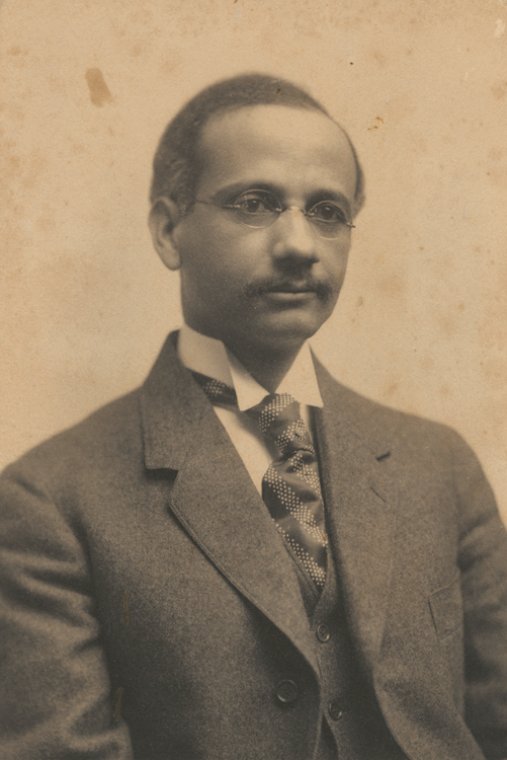
Version 28
| resource | rdf:resource | https://scalar.chapman.edu/scalar/black-history-month---a-digital-display/black-history-month---pioneers-in-medicine.28 |
| versionnumber | ov:versionnumber | 28 |
| title | dcterms:title | Pioneers and Trailblazers |
| description | dcterms:description | Containing historical African American pioneers in medicine |
| content | sioc:content | James McCune Smith, MD (1813-1865) - Dr. James McCune Smith was the first African American to hold an MD, obtaining his degree from the University of Glasgow in 1837. A practitioner in a New York City orphanage and later in surgery and general medicine, Dr. Smith gave numerous lectures and speeches in which he argued with medical objectivity against pseudo-scientific theories of racial superiority. Lujan H.L., DiCarlo S.E. 2019. “First African-American to hold a medical degree: brief history of James McCune Smith, abolitionist, educator, and physician.” Advances in Physiology Education 43, no.2 (June):134-139. Rebecca Lee Crumpler, MD (1831-1895) - Dr. Crumpler began her career working as a nurse without formal training, but earned her MD in 1864 from the New England Female Medical College in Boston, MA. She was the first Black woman to obtain an MD in the United States, going on to practice with the Freedmen’s Bureau after the Civil War and publishing a book on pediatrics and women’s health titled, A Book of Medical Discourses in Two Parts (1883). "Rebecca Lee Crumpler: First Black Woman Physician in the USA." The Lancet 397, no. 10274 (Feb 13, 2021): 572. Mary Eliza Mahoney, RN (1845-1926) - Mahoney was the first Black woman to obtain a degree in nursing from an American institution, graduating from the New England Hospital for Women and Children school in 1879 and opening a path for others to follow in her footsteps. She was a founding member of the National Association of Colored Graduate Nurses and addressed its first conference in 1909. Chayer, Mary Ella. “Mary Eliza Mahoney.” The American Journal of Nursing 54, no. 4 (1954): 429–31. Daniel Hale Williams, MD (1856-1931) - Dr. Daniel Hale Williams obtained his MD from Northwestern University in 1883 where he taught anatomy before becoming a member of the Illinois State Board of Health. He was among the founders of the integrated Provident Hospital and Nursing Training School which opened as one of the first institutions of its kind in 1891. He later became chief of surgery at Freedman’s Hospital, Washington, D.C., and a professor of medicine at Howard University. Dr. Williams is most famous for completing the first successful open-heart surgery in the night of July 9th, 1893. [Dedication: Daniel Hale Williams]. (2005). The Journal of Blacks in Higher Education, 50, 1–1. Solomon Carter Fuller, MD (1872-1953) - Dr. Fuller, a native of Liberia, obtained his MD from Boston University in 1897, practicing at Westborough State Hospital as a neuropathologist. Dr. Fuller contributed to research on memory loss and dementia in his work at the Royal Psychiatric Hospital at the University of Munich with Dr. Alois Alzheimer. He worked to translate these findings into English, and later became a professor of Neurology at Boston University. Mohammed, H. 2021. “Recognizing African-American contributions to neurology: The role of Solomon Carter Fuller (1872-1953) in Alzheimer's disease research.” Alzheimer's & Dementia: The Journal of the Alzheimer’s Association 17: 246– 250. Charles Richard Drew, MD (1904-1950) - Dr. Drew was born and raised in Washington, D.C. before attending Canada’s McGill University for his MD. Dr. Drew eventually became a Professor of Surgery at Howard University, though he is best known for his pioneering research on blood banking and the application of this research to great effect during the Second World War. Parker-Kelly, Darlene, and Charles P. Hobbs. "Keeping Dr. Charles Richard Drew's legacy alive." Journal of the Medical Library Association 107, no. 3 (2019): 449+. Anna Louise James (1886-1977) - Anna Louise James was the first African-American woman to obtain a degree from the Brooklyn College of Pharmacy, graduating in 1908. A year later, she became the first African-American woman to obtain a pharmacy license in the state of Connecticut, where she ran her own pharmacy from 1917 until her retirement in 1967 at the age of 81. Andrews, Gregory E. ”James Pharmacy.” National Register of Historic Places Inventory/Nomination Form. Connecticut Historical Commission, West Hartford, July 1, 1994. Jane Cooke Wright, MD (1919-2013) - Dr. Wright graduated in 1945 with her MD from New York Medical College before moving on to the Harlem Cancer Research Foundation. Dr. Wright came from a family of doctors in New York, but gained notability in her own right for her pioneering work in oncology, specifically in chemotherapy and tumor classification. She was a founding member of the American Society of Clinical Oncology, and later became Professor of Surgery at New York Medical College. Jenkins, Edward S. "The Remarkable Dr. Jane Cooke Wright." Afro - Americans in New York Life and History (1977-1989) 13, no. 2 (Jul 31, 1989): 57. Lynda D Woodruff, DPT, PhD (1948-2018) - Dr. Woodruff was the first African-American to join the faculty of the University of North Carolina-Chapel Hill’s physical therapy department in 1974, and went on to join the faculty of Georgia State University in 1978. She was instrumental in establishing numerous diversity, equity, and inclusion (DEI) initiatives within her profession, from her work on the Georgia State Board of Physical Therapy to the APTA Advisory Council on Minority Affairs. Dr. Woodruff held membership in the APTA Academy of Clinical Electrophysiology and Wound Management and has had two lectureships on disparities in health professions established in her name. “Lynda Woodruff, Leader in Physical Therapy Education, Dies at 70.” American Physical Therapy Association Mae Jemison, MD (1956- ) - Dr. Jemison earned her MD from Cornell University Medical College in 1981 before joining the Peace Corps as a medical officer in Sierra Leone and Libera until 1985. She was then accepted into the NASA astronaut program, where she utilized both her undergraduate degree in chemical engineering and her medical expertise to conduct a wide array of experiments in space during the Endeavour shuttle mission. Since her departure from NASA in 1993, she has founded a non-profit organization geared toward seeding interest in science for youths and a biomedical company centered around development of mobile medical monitoring equipment. Good, Bonnye Busbice. 2021. “Mae C. Jemison.” Salem Press Biographical Encyclopedia. "> Pioneers and TrailblazersJames McCune Smith, MD (1813-1865) - Dr. James McCune Smith was the first African American to hold an MD, obtaining his degree from the University of Glasgow in 1837. A practitioner in a New York City orphanage and later in surgery and general medicine, Dr. Smith gave numerous lectures and speeches in which he argued with medical objectivity against pseudo-scientific theories of racial superiority. Lujan H.L., DiCarlo S.E. 2019. “First African-American to hold a medical degree: brief history of James McCune Smith, abolitionist, educator, and physician.” Advances in Physiology Education 43, no.2 (June):134-139. Rebecca Lee Crumpler, MD (1831-1895) - Dr. Crumpler began her career working as a nurse without formal training, but earned her MD in 1864 from the New England Female Medical College in Boston, MA. She was the first Black woman to obtain an MD in the United States, going on to practice with the Freedmen’s Bureau after the Civil War and publishing a book on pediatrics and women’s health titled, A Book of Medical Discourses in Two Parts (1883). "Rebecca Lee Crumpler: First Black Woman Physician in the USA." The Lancet 397, no. 10274 (Feb 13, 2021): 572. Mary Eliza Mahoney, RN (1845-1926) - Mahoney was the first Black woman to obtain a degree in nursing from an American institution, graduating from the New England Hospital for Women and Children school in 1879 and opening a path for others to follow in her footsteps. She was a founding member of the National Association of Colored Graduate Nurses and addressed its first conference in 1909. Chayer, Mary Ella. “Mary Eliza Mahoney.” The American Journal of Nursing 54, no. 4 (1954): 429–31. Daniel Hale Williams, MD (1856-1931) - Dr. Daniel Hale Williams obtained his MD from Northwestern University in 1883 where he taught anatomy before becoming a member of the Illinois State Board of Health. He was among the founders of the integrated Provident Hospital and Nursing Training School which opened as one of the first institutions of its kind in 1891. He later became chief of surgery at Freedman’s Hospital, Washington, D.C., and a professor of medicine at Howard University. Dr. Williams is most famous for completing the first successful open-heart surgery in the night of July 9th, 1893. [Dedication: Daniel Hale Williams]. (2005). The Journal of Blacks in Higher Education, 50, 1–1. Solomon Carter Fuller, MD (1872-1953) - Dr. Fuller, a native of Liberia, obtained his MD from Boston University in 1897, practicing at Westborough State Hospital as a neuropathologist. Dr. Fuller contributed to research on memory loss and dementia in his work at the Royal Psychiatric Hospital at the University of Munich with Dr. Alois Alzheimer. He worked to translate these findings into English, and later became a professor of Neurology at Boston University. Mohammed, H. 2021. “Recognizing African-American contributions to neurology: The role of Solomon Carter Fuller (1872-1953) in Alzheimer's disease research.” Alzheimer's & Dementia: The Journal of the Alzheimer’s Association 17: 246– 250. Charles Richard Drew, MD (1904-1950) - Dr. Drew was born and raised in Washington, D.C. before attending Canada’s McGill University for his MD. Dr. Drew eventually became a Professor of Surgery at Howard University, though he is best known for his pioneering research on blood banking and the application of this research to great effect during the Second World War. Parker-Kelly, Darlene, and Charles P. Hobbs. "Keeping Dr. Charles Richard Drew's legacy alive." Journal of the Medical Library Association 107, no. 3 (2019): 449+. Anna Louise James (1886-1977) - Anna Louise James was the first African-American woman to obtain a degree from the Brooklyn College of Pharmacy, graduating in 1908. A year later, she became the first African-American woman to obtain a pharmacy license in the state of Connecticut, where she ran her own pharmacy from 1917 until her retirement in 1967 at the age of 81. Andrews, Gregory E. ”James Pharmacy.” National Register of Historic Places Inventory/Nomination Form. Connecticut Historical Commission, West Hartford, July 1, 1994. Jane Cooke Wright, MD (1919-2013) - Dr. Wright graduated in 1945 with her MD from New York Medical College before moving on to the Harlem Cancer Research Foundation. Dr. Wright came from a family of doctors in New York, but gained notability in her own right for her pioneering work in oncology, specifically in chemotherapy and tumor classification. She was a founding member of the American Society of Clinical Oncology, and later became Professor of Surgery at New York Medical College. Jenkins, Edward S. "The Remarkable Dr. Jane Cooke Wright." Afro - Americans in New York Life and History (1977-1989) 13, no. 2 (Jul 31, 1989): 57. Lynda D Woodruff, DPT, PhD (1948-2018) - Dr. Woodruff was the first African-American to join the faculty of the University of North Carolina-Chapel Hill’s physical therapy department in 1974, and went on to join the faculty of Georgia State University in 1978. She was instrumental in establishing numerous diversity, equity, and inclusion (DEI) initiatives within her profession, from her work on the Georgia State Board of Physical Therapy to the APTA Advisory Council on Minority Affairs. Dr. Woodruff held membership in the APTA Academy of Clinical Electrophysiology and Wound Management and has had two lectureships on disparities in health professions established in her name. “Lynda Woodruff, Leader in Physical Therapy Education, Dies at 70.” American Physical Therapy Association Mae Jemison, MD (1956- ) - Dr. Jemison earned her MD from Cornell University Medical College in 1981 before joining the Peace Corps as a medical officer in Sierra Leone and Libera until 1985. She was then accepted into the NASA astronaut program, where she utilized both her undergraduate degree in chemical engineering and her medical expertise to conduct a wide array of experiments in space during the Endeavour shuttle mission. Since her departure from NASA in 1993, she has founded a non-profit organization geared toward seeding interest in science for youths and a biomedical company centered around development of mobile medical monitoring equipment. Good, Bonnye Busbice. 2021. “Mae C. Jemison.” Salem Press Biographical Encyclopedia. |
| default view | scalar:defaultView | plain |
| was attributed to | prov:wasAttributedTo | https://scalar.chapman.edu/scalar/black-history-month---a-digital-display/users/265 |
| created | dcterms:created | 2023-01-18T16:37:37+00:00 |
| type | rdf:type | http://scalar.usc.edu/2012/01/scalar-ns#Version |
Version 27
| resource | rdf:resource | https://scalar.chapman.edu/scalar/black-history-month---a-digital-display/black-history-month---pioneers-in-medicine.27 |
| versionnumber | ov:versionnumber | 27 |
| title | dcterms:title | Pioneers and Trailblazers |
| description | dcterms:description | Containing historical African American pioneers in medicine |
| content | sioc:content | James McCune Smith, MD (1813-1865) - Dr. James McCune Smith was the first African American to hold an MD, obtaining his degree from the University of Glasgow in 1837. A practitioner in a New York City orphanage and later in surgery and general medicine, Dr. Smith gave numerous lectures and speeches in which he argued with medical objectivity against pseudo-scientific theories of racial superiority. Lujan H.L., DiCarlo S.E. 2019. “First African-American to hold a medical degree: brief history of James McCune Smith, abolitionist, educator, and physician.” Advances in Physiology Education 43, no.2 (June):134-139. Rebecca Lee Crumpler, MD (1831-1895) - Dr. Crumpler began her career working as a nurse without formal training, but earned her MD in 1864 from the New England Female Medical College in Boston, MA. She was the first Black woman to obtain an MD in the United States, going on to practice with the Freedmen’s Bureau after the Civil War and publishing a book on pediatrics and women’s health titled, A Book of Medical Discourses in Two Parts (1883). "Rebecca Lee Crumpler: First Black Woman Physician in the USA." The Lancet 397, no. 10274 (Feb 13, 2021): 572. Mary Eliza Mahoney, RN (1845-1926) - Mahoney was the first black woman to obtain a degree in nursing from an American institution, graduating from the New England Hospital for Women and Children school in 1879 and opening a path for others to follow in her footsteps. She was a founding member of the National Association of Colored Graduate Nurses and addressed its first conference in 1909. Chayer, Mary Ella. “Mary Eliza Mahoney.” The American Journal of Nursing 54, no. 4 (1954): 429–31. Daniel Hale Williams, MD (1856-1931) - Dr. Daniel Hale Williams obtained his MD from Northwestern University in 1883 where he taught anatomy before becoming a member of the Illinois State Board of Health. He was among the founders of the integrated Provident Hospital and Nursing Training School which opened as one of the first institutions of its kind in 1891. He later became chief of surgery at Freedman’s Hospital, Washington, D.C., and a professor of medicine at Howard University. Dr. Williams is most famous for completing the first successful open-heart surgery in the night of July 9th, 1893. [Dedication: Daniel Hale Williams]. (2005). The Journal of Blacks in Higher Education, 50, 1–1. Solomon Carter Fuller, MD (1872-1953) - Dr. Fuller, a native of Liberia, obtained his MD from Boston University in 1897, practicing at Westborough State Hospital as a neuropathologist. Dr. Fuller contributed to research on memory loss and dementia in his work at the Royal Psychiatric Hospital at the University of Munich with Dr. Alois Alzheimer. He worked to translate these findings into English, and later became a professor of Neurology at Boston University. Mohammed, H. 2021. “Recognizing African-American contributions to neurology: The role of Solomon Carter Fuller (1872-1953) in Alzheimer's disease research.” Alzheimer's & Dementia: The Journal of the Alzheimer’s Association 17: 246– 250. Charles Richard Drew, MD (1904-1950) - Dr. Drew was born and raised in Washington, D.C. before attending Canada’s McGill University for his MD. Dr. Drew eventually became a Professor of Surgery at Howard University, though he is best known for his pioneering research on blood banking and the application of this research to great effect during the Second World War. Parker-Kelly, Darlene, and Charles P. Hobbs. "Keeping Dr. Charles Richard Drew's legacy alive." Journal of the Medical Library Association 107, no. 3 (2019): 449+. Anna Louise James (1886-1977) - Anna Louise James was the first African-American woman to obtain a degree from the Brooklyn College of Pharmacy, graduating in 1908. A year later, she became the first African-American woman to obtain a pharmacy license in the state of Connecticut, where she ran her own pharmacy from 1917 until her retirement in 1967 at the age of 81. Andrews, Gregory E. ”James Pharmacy.” National Register of Historic Places Inventory/Nomination Form. Connecticut Historical Commission, West Hartford, July 1, 1994. Jane Cooke Wright, MD (1919-2013) - Dr. Wright graduated in 1945 with her MD from New York Medical College before moving on to the Harlem Cancer Research Foundation. Dr. Wright came from a family of doctors in New York, but gained notability in her own right for her pioneering work in oncology, specifically in chemotherapy and tumor classification. She was a founding member of the American Society of Clinical Oncology, and later became Professor of Surgery at New York Medical College. Jenkins, Edward S. "The Remarkable Dr. Jane Cooke Wright." Afro - Americans in New York Life and History (1977-1989) 13, no. 2 (Jul 31, 1989): 57. Lynda D Woodruff, DPT, PhD (1948-2018) - Dr. Woodruff was the first African-American to join the faculty of the University of North Carolina-Chapel Hill’s physical therapy department in 1974, and went on to join the faculty of Georgia State University in 1978. She was instrumental in establishing numerous diversity, equity, and inclusion (DEI) initiatives within her profession, from her work on the Georgia State Board of Physical Therapy to the APTA Advisory Council on Minority Affairs. Dr. Woodruff held membership in the APTA Academy of Clinical Electrophysiology and Wound Management and has had two lectureships on disparities in health professions established in her name. “Lynda Woodruff, Leader in Physical Therapy Education, Dies at 70.” American Physical Therapy Association Mae Jemison, MD (1956- ) - Dr. Jemison earned her MD from Cornell University Medical College in 1981 before joining the Peace Corps as a medical officer in Sierra Leone and Libera until 1985. She was then accepted into the NASA astronaut program, where she utilized both her undergraduate degree in chemical engineering and her medical expertise to conduct a wide array of experiments in space during the Endeavour shuttle mission. Since her departure from NASA in 1993, she has founded a non-profit organization geared toward seeding interest in science for youths and a biomedical company centered around development of mobile medical monitoring equipment. Good, Bonnye Busbice. 2021. “Mae C. Jemison.” Salem Press Biographical Encyclopedia. "> Pioneers and TrailblazersJames McCune Smith, MD (1813-1865) - Dr. James McCune Smith was the first African American to hold an MD, obtaining his degree from the University of Glasgow in 1837. A practitioner in a New York City orphanage and later in surgery and general medicine, Dr. Smith gave numerous lectures and speeches in which he argued with medical objectivity against pseudo-scientific theories of racial superiority. Lujan H.L., DiCarlo S.E. 2019. “First African-American to hold a medical degree: brief history of James McCune Smith, abolitionist, educator, and physician.” Advances in Physiology Education 43, no.2 (June):134-139. Rebecca Lee Crumpler, MD (1831-1895) - Dr. Crumpler began her career working as a nurse without formal training, but earned her MD in 1864 from the New England Female Medical College in Boston, MA. She was the first Black woman to obtain an MD in the United States, going on to practice with the Freedmen’s Bureau after the Civil War and publishing a book on pediatrics and women’s health titled, A Book of Medical Discourses in Two Parts (1883). "Rebecca Lee Crumpler: First Black Woman Physician in the USA." The Lancet 397, no. 10274 (Feb 13, 2021): 572. Mary Eliza Mahoney, RN (1845-1926) - Mahoney was the first black woman to obtain a degree in nursing from an American institution, graduating from the New England Hospital for Women and Children school in 1879 and opening a path for others to follow in her footsteps. She was a founding member of the National Association of Colored Graduate Nurses and addressed its first conference in 1909. Chayer, Mary Ella. “Mary Eliza Mahoney.” The American Journal of Nursing 54, no. 4 (1954): 429–31. Daniel Hale Williams, MD (1856-1931) - Dr. Daniel Hale Williams obtained his MD from Northwestern University in 1883 where he taught anatomy before becoming a member of the Illinois State Board of Health. He was among the founders of the integrated Provident Hospital and Nursing Training School which opened as one of the first institutions of its kind in 1891. He later became chief of surgery at Freedman’s Hospital, Washington, D.C., and a professor of medicine at Howard University. Dr. Williams is most famous for completing the first successful open-heart surgery in the night of July 9th, 1893. [Dedication: Daniel Hale Williams]. (2005). The Journal of Blacks in Higher Education, 50, 1–1. Solomon Carter Fuller, MD (1872-1953) - Dr. Fuller, a native of Liberia, obtained his MD from Boston University in 1897, practicing at Westborough State Hospital as a neuropathologist. Dr. Fuller contributed to research on memory loss and dementia in his work at the Royal Psychiatric Hospital at the University of Munich with Dr. Alois Alzheimer. He worked to translate these findings into English, and later became a professor of Neurology at Boston University. Mohammed, H. 2021. “Recognizing African-American contributions to neurology: The role of Solomon Carter Fuller (1872-1953) in Alzheimer's disease research.” Alzheimer's & Dementia: The Journal of the Alzheimer’s Association 17: 246– 250. Charles Richard Drew, MD (1904-1950) - Dr. Drew was born and raised in Washington, D.C. before attending Canada’s McGill University for his MD. Dr. Drew eventually became a Professor of Surgery at Howard University, though he is best known for his pioneering research on blood banking and the application of this research to great effect during the Second World War. Parker-Kelly, Darlene, and Charles P. Hobbs. "Keeping Dr. Charles Richard Drew's legacy alive." Journal of the Medical Library Association 107, no. 3 (2019): 449+. Anna Louise James (1886-1977) - Anna Louise James was the first African-American woman to obtain a degree from the Brooklyn College of Pharmacy, graduating in 1908. A year later, she became the first African-American woman to obtain a pharmacy license in the state of Connecticut, where she ran her own pharmacy from 1917 until her retirement in 1967 at the age of 81. Andrews, Gregory E. ”James Pharmacy.” National Register of Historic Places Inventory/Nomination Form. Connecticut Historical Commission, West Hartford, July 1, 1994. Jane Cooke Wright, MD (1919-2013) - Dr. Wright graduated in 1945 with her MD from New York Medical College before moving on to the Harlem Cancer Research Foundation. Dr. Wright came from a family of doctors in New York, but gained notability in her own right for her pioneering work in oncology, specifically in chemotherapy and tumor classification. She was a founding member of the American Society of Clinical Oncology, and later became Professor of Surgery at New York Medical College. Jenkins, Edward S. "The Remarkable Dr. Jane Cooke Wright." Afro - Americans in New York Life and History (1977-1989) 13, no. 2 (Jul 31, 1989): 57. Lynda D Woodruff, DPT, PhD (1948-2018) - Dr. Woodruff was the first African-American to join the faculty of the University of North Carolina-Chapel Hill’s physical therapy department in 1974, and went on to join the faculty of Georgia State University in 1978. She was instrumental in establishing numerous diversity, equity, and inclusion (DEI) initiatives within her profession, from her work on the Georgia State Board of Physical Therapy to the APTA Advisory Council on Minority Affairs. Dr. Woodruff held membership in the APTA Academy of Clinical Electrophysiology and Wound Management and has had two lectureships on disparities in health professions established in her name. “Lynda Woodruff, Leader in Physical Therapy Education, Dies at 70.” American Physical Therapy Association Mae Jemison, MD (1956- ) - Dr. Jemison earned her MD from Cornell University Medical College in 1981 before joining the Peace Corps as a medical officer in Sierra Leone and Libera until 1985. She was then accepted into the NASA astronaut program, where she utilized both her undergraduate degree in chemical engineering and her medical expertise to conduct a wide array of experiments in space during the Endeavour shuttle mission. Since her departure from NASA in 1993, she has founded a non-profit organization geared toward seeding interest in science for youths and a biomedical company centered around development of mobile medical monitoring equipment. Good, Bonnye Busbice. 2021. “Mae C. Jemison.” Salem Press Biographical Encyclopedia. |
| default view | scalar:defaultView | plain |
| was attributed to | prov:wasAttributedTo | https://scalar.chapman.edu/scalar/black-history-month---a-digital-display/users/265 |
| created | dcterms:created | 2023-01-17T17:25:42+00:00 |
| type | rdf:type | http://scalar.usc.edu/2012/01/scalar-ns#Version |
Version 26
| resource | rdf:resource | https://scalar.chapman.edu/scalar/black-history-month---a-digital-display/black-history-month---pioneers-in-medicine.26 |
| versionnumber | ov:versionnumber | 26 |
| title | dcterms:title | Pioneers and Trailblazers |
| description | dcterms:description | Containing historical African American pioneers in medicine |
| content | sioc:content | James McCune Smith, MD (1813-1865) - Dr. James McCune Smith was the first African American to hold an MD, obtaining his degree from the University of Glasgow in 1837. A practitioner in a New York City orphanage and later in surgery and general medicine, Dr. Smith gave numerous lectures and speeches in which he argued with medical objectivity against pseudo-scientific theories of racial superiority. Lujan H.L., DiCarlo S.E. 2019. “First African-American to hold a medical degree: brief history of James McCune Smith, abolitionist, educator, and physician.” Advances in Physiology Education 43, no.2 (June):134-139. Rebecca Lee Crumpler, MD (1831-1895) - Dr. Crumpler began her career working as a nurse without formal training, but earned her MD in 1864 from the New England Female Medical College in Boston, MA. She was the first black woman to obtain an MD in the United States, going on to practice with the Freedmen’s Bureau after the Civil War and publishing a book on pediatrics and women’s health titled, A Book of Medical Discourses in Two Parts (1883). "Rebecca Lee Crumpler: First Black Woman Physician in the USA." The Lancet 397, no. 10274 (Feb 13, 2021): 572. Mary Eliza Mahoney, RN (1845-1926) - Mahoney was the first black woman to obtain a degree in nursing from an American institution, graduating from the New England Hospital for Women and Children school in 1879 and opening a path for others to follow in her footsteps. She was a founding member of the National Association of Colored Graduate Nurses and addressed its first conference in 1909. Chayer, Mary Ella. “Mary Eliza Mahoney.” The American Journal of Nursing 54, no. 4 (1954): 429–31. Daniel Hale Williams, MD (1856-1931) - Dr. Daniel Hale Williams obtained his MD from Northwestern University in 1883 where he taught anatomy before becoming a member of the Illinois State Board of Health. He was among the founders of the integrated Provident Hospital and Nursing Training School which opened as one of the first institutions of its kind in 1891. He later became chief of surgery at Freedman’s Hospital, Washington, D.C., and a professor of medicine at Howard University. Dr. Williams is most famous for completing the first successful open-heart surgery in the night of July 9th, 1893. [Dedication: Daniel Hale Williams]. (2005). The Journal of Blacks in Higher Education, 50, 1–1. Solomon Carter Fuller, MD (1872-1953) - Dr. Fuller, a native of Liberia, obtained his MD from Boston University in 1897, practicing at Westborough State Hospital as a neuropathologist. Dr. Fuller contributed to research on memory loss and dementia in his work at the Royal Psychiatric Hospital at the University of Munich with Dr. Alois Alzheimer. He worked to translate these findings into English, and later became a professor of Neurology at Boston University. Mohammed, H. 2021. “Recognizing African-American contributions to neurology: The role of Solomon Carter Fuller (1872-1953) in Alzheimer's disease research.” Alzheimer's & Dementia: The Journal of the Alzheimer’s Association 17: 246– 250. Charles Richard Drew, MD (1904-1950) - Dr. Drew was born and raised in Washington, D.C. before attending Canada’s McGill University for his M.D. Dr. Drew eventually became a Professor of Surgery at Howard University, though he is best known for his pioneering research on blood banking and the application of this research to great effect during the Second World War. Parker-Kelly, Darlene, and Charles P. Hobbs. "Keeping Dr. Charles Richard Drew's legacy alive." Journal of the Medical Library Association 107, no. 3 (2019): 449+. Anna Louise James (1886-1977) - Anna Louise James was the first African-American woman to obtain a degree from the Brooklyn College of Pharmacy, graduating in 1908. A year later, she became the first African-American woman to obtain a pharmacy license in the state of Connecticut, where she ran her own pharmacy from 1917 until her retirement in 1967 at the age of 81. Andrews, Gregory E. ”James Pharmacy.” National Register of Historic Places Inventory/Nomination Form. Connecticut Historical Commission, West Hartford, July 1, 1994. Jane Cooke Wright, MD (1919-2013) - Dr. Wright graduated in 1945 with her MD from New York Medical College before moving on to the Harlem Cancer Research Foundation. Dr. Wright came from a family of doctors in New York, but gained notability in her own right for her pioneering work in oncology, specifically in chemotherapy and tumor classification. She was a founding member of the American Society of Clinical Oncology, and later became Professor of Surgery at New York Medical College. Jenkins, Edward S. "The Remarkable Dr. Jane Cooke Wright." Afro - Americans in New York Life and History (1977-1989) 13, no. 2 (Jul 31, 1989): 57. Lynda D Woodruff, DPT, PhD (1948-2018) - Dr. Woodruff was the first African-American to join the faculty of the University of North Carolina-Chapel Hill’s physical therapy department in 1974, and went on to join the faculty of Georgia State University in 1978. She was instrumental in establishing numerous DE&I initiatives within her profession, from her work on the Georgia State Board of Physical Therapy to the APTA Advisory Council on Minority Affairs. Dr. Woodruff held membership in the APTA Academy of Clinical Electrophysiology and Wound Management and has had two lectureships on disparities in health professions established in her name. “Lynda Woodruff, Leader in Physical Therapy Education, Dies at 70.” American Physical Therapy Association Mae Jemison, MD (1956- ) - Dr. Jemison earned her MD from Cornell University Medical College in 1981 before joining the Peace Corps as a medical officer in Sierra Leone and Libera until 1985. She was then accepted into the NASA astronaut program, where she utilized both her undergraduate degree in chemical engineering and her medical expertise to conduct a wide array of experiments in space during the Endeavour shuttle mission. Since her departure from NASA in 1993, she has founded a non-profit organization geared toward seeding interest in science for youths and a biomedical company centered around development of mobile medical monitoring equipment. Good, Bonnye Busbice. 2021. “Mae C. Jemison.” Salem Press Biographical Encyclopedia. "> Pioneers and TrailblazersJames McCune Smith, MD (1813-1865) - Dr. James McCune Smith was the first African American to hold an MD, obtaining his degree from the University of Glasgow in 1837. A practitioner in a New York City orphanage and later in surgery and general medicine, Dr. Smith gave numerous lectures and speeches in which he argued with medical objectivity against pseudo-scientific theories of racial superiority. Lujan H.L., DiCarlo S.E. 2019. “First African-American to hold a medical degree: brief history of James McCune Smith, abolitionist, educator, and physician.” Advances in Physiology Education 43, no.2 (June):134-139. Rebecca Lee Crumpler, MD (1831-1895) - Dr. Crumpler began her career working as a nurse without formal training, but earned her MD in 1864 from the New England Female Medical College in Boston, MA. She was the first black woman to obtain an MD in the United States, going on to practice with the Freedmen’s Bureau after the Civil War and publishing a book on pediatrics and women’s health titled, A Book of Medical Discourses in Two Parts (1883). "Rebecca Lee Crumpler: First Black Woman Physician in the USA." The Lancet 397, no. 10274 (Feb 13, 2021): 572. Mary Eliza Mahoney, RN (1845-1926) - Mahoney was the first black woman to obtain a degree in nursing from an American institution, graduating from the New England Hospital for Women and Children school in 1879 and opening a path for others to follow in her footsteps. She was a founding member of the National Association of Colored Graduate Nurses and addressed its first conference in 1909. Chayer, Mary Ella. “Mary Eliza Mahoney.” The American Journal of Nursing 54, no. 4 (1954): 429–31. Daniel Hale Williams, MD (1856-1931) - Dr. Daniel Hale Williams obtained his MD from Northwestern University in 1883 where he taught anatomy before becoming a member of the Illinois State Board of Health. He was among the founders of the integrated Provident Hospital and Nursing Training School which opened as one of the first institutions of its kind in 1891. He later became chief of surgery at Freedman’s Hospital, Washington, D.C., and a professor of medicine at Howard University. Dr. Williams is most famous for completing the first successful open-heart surgery in the night of July 9th, 1893. [Dedication: Daniel Hale Williams]. (2005). The Journal of Blacks in Higher Education, 50, 1–1. Solomon Carter Fuller, MD (1872-1953) - Dr. Fuller, a native of Liberia, obtained his MD from Boston University in 1897, practicing at Westborough State Hospital as a neuropathologist. Dr. Fuller contributed to research on memory loss and dementia in his work at the Royal Psychiatric Hospital at the University of Munich with Dr. Alois Alzheimer. He worked to translate these findings into English, and later became a professor of Neurology at Boston University. Mohammed, H. 2021. “Recognizing African-American contributions to neurology: The role of Solomon Carter Fuller (1872-1953) in Alzheimer's disease research.” Alzheimer's & Dementia: The Journal of the Alzheimer’s Association 17: 246– 250. Charles Richard Drew, MD (1904-1950) - Dr. Drew was born and raised in Washington, D.C. before attending Canada’s McGill University for his M.D. Dr. Drew eventually became a Professor of Surgery at Howard University, though he is best known for his pioneering research on blood banking and the application of this research to great effect during the Second World War. Parker-Kelly, Darlene, and Charles P. Hobbs. "Keeping Dr. Charles Richard Drew's legacy alive." Journal of the Medical Library Association 107, no. 3 (2019): 449+. Anna Louise James (1886-1977) - Anna Louise James was the first African-American woman to obtain a degree from the Brooklyn College of Pharmacy, graduating in 1908. A year later, she became the first African-American woman to obtain a pharmacy license in the state of Connecticut, where she ran her own pharmacy from 1917 until her retirement in 1967 at the age of 81. Andrews, Gregory E. ”James Pharmacy.” National Register of Historic Places Inventory/Nomination Form. Connecticut Historical Commission, West Hartford, July 1, 1994. Jane Cooke Wright, MD (1919-2013) - Dr. Wright graduated in 1945 with her MD from New York Medical College before moving on to the Harlem Cancer Research Foundation. Dr. Wright came from a family of doctors in New York, but gained notability in her own right for her pioneering work in oncology, specifically in chemotherapy and tumor classification. She was a founding member of the American Society of Clinical Oncology, and later became Professor of Surgery at New York Medical College. Jenkins, Edward S. "The Remarkable Dr. Jane Cooke Wright." Afro - Americans in New York Life and History (1977-1989) 13, no. 2 (Jul 31, 1989): 57. Lynda D Woodruff, DPT, PhD (1948-2018) - Dr. Woodruff was the first African-American to join the faculty of the University of North Carolina-Chapel Hill’s physical therapy department in 1974, and went on to join the faculty of Georgia State University in 1978. She was instrumental in establishing numerous DE&I initiatives within her profession, from her work on the Georgia State Board of Physical Therapy to the APTA Advisory Council on Minority Affairs. Dr. Woodruff held membership in the APTA Academy of Clinical Electrophysiology and Wound Management and has had two lectureships on disparities in health professions established in her name. “Lynda Woodruff, Leader in Physical Therapy Education, Dies at 70.” American Physical Therapy Association Mae Jemison, MD (1956- ) - Dr. Jemison earned her MD from Cornell University Medical College in 1981 before joining the Peace Corps as a medical officer in Sierra Leone and Libera until 1985. She was then accepted into the NASA astronaut program, where she utilized both her undergraduate degree in chemical engineering and her medical expertise to conduct a wide array of experiments in space during the Endeavour shuttle mission. Since her departure from NASA in 1993, she has founded a non-profit organization geared toward seeding interest in science for youths and a biomedical company centered around development of mobile medical monitoring equipment. Good, Bonnye Busbice. 2021. “Mae C. Jemison.” Salem Press Biographical Encyclopedia. |
| default view | scalar:defaultView | plain |
| was attributed to | prov:wasAttributedTo | https://scalar.chapman.edu/scalar/black-history-month---a-digital-display/users/265 |
| created | dcterms:created | 2023-01-17T17:21:23+00:00 |
| type | rdf:type | http://scalar.usc.edu/2012/01/scalar-ns#Version |
Version 25
| resource | rdf:resource | https://scalar.chapman.edu/scalar/black-history-month---a-digital-display/black-history-month---pioneers-in-medicine.25 |
| versionnumber | ov:versionnumber | 25 |
| title | dcterms:title | Pioneers and Trailblazers |
| description | dcterms:description | Containing historical African American pioneers in medicine |
| content | sioc:content | James McCune Smith, MD (1813-1865) - Dr. James McCune Smith was the first African American to hold an MD, obtaining his degree from the University of Glasgow in 1837. A practitioner in a New York City orphanage and later in surgery and general medicine, Dr. Smith gave numerous lectures and speeches in which he argued with medical objectivity against pseudo-scientific theories of racial superiority. Lujan H.L., DiCarlo S.E. 2019. “First African-American to hold a medical degree: brief history of James McCune Smith, abolitionist, educator, and physician.” Advances in Physiology Education 43, no.2 (June):134-139. Rebecca Lee Crumpler, MD (1831-1895) - Dr. Crumpler began her career working as a nurse without formal training, but earned her MD in 1864 from the New England Female Medical College in Boston, MA. She was the first black woman to obtain an MD in the United States, going on to practice with the Freedmen’s Bureau after the Civil War and publishing a book on pediatrics and women’s health titled, A Book of Medical Discourses in Two Parts (1883). "Rebecca Lee Crumpler: First Black Woman Physician in the USA." The Lancet 397, no. 10274 (Feb 13, 2021): 572. Mary Eliza Mahoney, RN (1845-1926) - Mahoney was the first black woman to obtain a degree in nursing from an American institution, graduating from the New England Hospital for Women and Children school in 1879 and opening a path for others to follow in her footsteps. She was a founding member of the National Association of Colored Graduate Nurses and addressed its first conference in 1909. Chayer, Mary Ella. “Mary Eliza Mahoney.” The American Journal of Nursing 54, no. 4 (1954): 429–31. Daniel Hale Williams, MD (1856-1931) - Dr. Daniel Hale Williams obtained his MD from Northwestern University in 1883 where he taught anatomy before becoming a member of the Illinois State Board of Health. He was among the founders of the integrated Provident Hospital and Nursing Training School which opened as one of the first institutions of its kind in 1891. He later became chief of surgery at Freedman’s Hospital, Washington, D.C., and a professor of medicine at Howard University. Dr. Williams is most famous for completing the first successful open-heart surgery in the night of July 9th, 1893. [Dedication: Daniel Hale Williams]. (2005). The Journal of Blacks in Higher Education, 50, 1–1. Solomon Carter Fuller, MD (1872-1953) - Dr. Fuller, a native of Liberia, obtained his MD from Boston University in 1897, practicing at Westborough State Hospital as a neuropathologist. Dr. Fuller contributed to research on memory loss and dementia in his work at the Royal Psychiatric Hospital at the University of Munich with Dr. Alois Alzheimer. He worked to translate these findings into English, and later became a professor of Neurology at Boston University. Mohammed, H. 2021. “Recognizing African-American contributions to neurology: The role of Solomon Carter Fuller (1872-1953) in Alzheimer's disease research.” Alzheimer's & Dementia: The Journal of the Alzheimer’s Association 17: 246– 250. Charles Richard Drew, MD (1904-1950) - Dr. Drew was born and raised in Washington, D.C. before attending Canada’s McGill University for his M.D. Dr. Drew eventually became a Professor of Surgery at Howard University, though he is best known for his pioneering research on blood banking and the application of this research to great effect during the Second World War. Parker-Kelly, Darlene, and Charles P. Hobbs. "Keeping Dr. Charles Richard Drew's legacy alive." Journal of the Medical Library Association 107, no. 3 (2019): 449+. Anna Louise James (1886-1977) - Anna Louise James was the first African-American woman to obtain a degree from the Brooklyn College of Pharmacy, graduating in 1908. A year later, she became the first African-American woman to obtain a pharmacy license in the state of Connecticut, where she ran her own pharmacy from 1917 until her retirement in 1967 at the age of 81. Andrews, Gregory E. ”James Pharmacy.” National Register of Historic Places Inventory/Nomination Form. Connecticut Historical Commission, West Hartford, July 1, 1994. Jane Cooke Wright, MD (1919-2013) - Dr. Wright graduated in 1945 with her MD from New York Medical College before moving on to the Harlem Cancer Research Foundation. Dr. Wright came from a family of doctors in New York, but gained notability in her own right for her pioneering work in oncology, specifically in chemotherapy and tumor classification. She was a founding member of the American Society of Clinical Oncology, and later became Professor of Surgery at New York Medical College. Jenkins, Edward S. "The Remarkable Dr. Jane Cooke Wright." Afro - Americans in New York Life and History (1977-1989) 13, no. 2 (Jul 31, 1989): 57. Lynda D Woodruff, DPT, PhD (1948-2018) - Dr. Woodruff was the first African-American to join the faculty of the University of North Carolina-Chapel Hill’s physical therapy department in 1974, and went on to join the faculty of Georgia State University in 1978. She was instrumental in establishing numerous DE&I initiatives within her profession, from her work on the Georgia State Board of Physical Therapy to the APTA Advisory Council on Minority Affairs. Dr. Woodruff held membership in the APTA Academy of Clinical Electrophysiology and Wound Management and has had two lectureships on disparities in health professions established in her name. “Lynda Woodruff, Leader in Physical Therapy Education, Dies at 70.” American Physical Therapy Association Mae Jemison, MD (1956- ) - Dr. Jemison earned her MD from Cornell University Medical College in 1981 before joining the Peace Corps as a medical officer in Sierra Leone and Libera until 1985. She was then accepted into the NASA astronaut program, where she utilized both her undergraduate degree in chemical engineering and her medical expertise to conduct a wide array of experiments in space during the Endeavour shuttle mission. Since her departure from NASA in 1993, she has founded a non-profit organization geared toward seeding interest in science for youths and a biomedical company centered around development of mobile medical monitoring equipment. Good, Bonnye Busbice. 2021. “Mae C. Jemison.” Salem Press Biographical Encyclopedia. "> Pioneers and TrailblazersJames McCune Smith, MD (1813-1865) - Dr. James McCune Smith was the first African American to hold an MD, obtaining his degree from the University of Glasgow in 1837. A practitioner in a New York City orphanage and later in surgery and general medicine, Dr. Smith gave numerous lectures and speeches in which he argued with medical objectivity against pseudo-scientific theories of racial superiority. Lujan H.L., DiCarlo S.E. 2019. “First African-American to hold a medical degree: brief history of James McCune Smith, abolitionist, educator, and physician.” Advances in Physiology Education 43, no.2 (June):134-139. Rebecca Lee Crumpler, MD (1831-1895) - Dr. Crumpler began her career working as a nurse without formal training, but earned her MD in 1864 from the New England Female Medical College in Boston, MA. She was the first black woman to obtain an MD in the United States, going on to practice with the Freedmen’s Bureau after the Civil War and publishing a book on pediatrics and women’s health titled, A Book of Medical Discourses in Two Parts (1883). "Rebecca Lee Crumpler: First Black Woman Physician in the USA." The Lancet 397, no. 10274 (Feb 13, 2021): 572. Mary Eliza Mahoney, RN (1845-1926) - Mahoney was the first black woman to obtain a degree in nursing from an American institution, graduating from the New England Hospital for Women and Children school in 1879 and opening a path for others to follow in her footsteps. She was a founding member of the National Association of Colored Graduate Nurses and addressed its first conference in 1909. Chayer, Mary Ella. “Mary Eliza Mahoney.” The American Journal of Nursing 54, no. 4 (1954): 429–31. Daniel Hale Williams, MD (1856-1931) - Dr. Daniel Hale Williams obtained his MD from Northwestern University in 1883 where he taught anatomy before becoming a member of the Illinois State Board of Health. He was among the founders of the integrated Provident Hospital and Nursing Training School which opened as one of the first institutions of its kind in 1891. He later became chief of surgery at Freedman’s Hospital, Washington, D.C., and a professor of medicine at Howard University. Dr. Williams is most famous for completing the first successful open-heart surgery in the night of July 9th, 1893. [Dedication: Daniel Hale Williams]. (2005). The Journal of Blacks in Higher Education, 50, 1–1. Solomon Carter Fuller, MD (1872-1953) - Dr. Fuller, a native of Liberia, obtained his MD from Boston University in 1897, practicing at Westborough State Hospital as a neuropathologist. Dr. Fuller contributed to research on memory loss and dementia in his work at the Royal Psychiatric Hospital at the University of Munich with Dr. Alois Alzheimer. He worked to translate these findings into English, and later became a professor of Neurology at Boston University. Mohammed, H. 2021. “Recognizing African-American contributions to neurology: The role of Solomon Carter Fuller (1872-1953) in Alzheimer's disease research.” Alzheimer's & Dementia: The Journal of the Alzheimer’s Association 17: 246– 250. Charles Richard Drew, MD (1904-1950) - Dr. Drew was born and raised in Washington, D.C. before attending Canada’s McGill University for his M.D. Dr. Drew eventually became a Professor of Surgery at Howard University, though he is best known for his pioneering research on blood banking and the application of this research to great effect during the Second World War. Parker-Kelly, Darlene, and Charles P. Hobbs. "Keeping Dr. Charles Richard Drew's legacy alive." Journal of the Medical Library Association 107, no. 3 (2019): 449+. Anna Louise James (1886-1977) - Anna Louise James was the first African-American woman to obtain a degree from the Brooklyn College of Pharmacy, graduating in 1908. A year later, she became the first African-American woman to obtain a pharmacy license in the state of Connecticut, where she ran her own pharmacy from 1917 until her retirement in 1967 at the age of 81. Andrews, Gregory E. ”James Pharmacy.” National Register of Historic Places Inventory/Nomination Form. Connecticut Historical Commission, West Hartford, July 1, 1994. Jane Cooke Wright, MD (1919-2013) - Dr. Wright graduated in 1945 with her MD from New York Medical College before moving on to the Harlem Cancer Research Foundation. Dr. Wright came from a family of doctors in New York, but gained notability in her own right for her pioneering work in oncology, specifically in chemotherapy and tumor classification. She was a founding member of the American Society of Clinical Oncology, and later became Professor of Surgery at New York Medical College. Jenkins, Edward S. "The Remarkable Dr. Jane Cooke Wright." Afro - Americans in New York Life and History (1977-1989) 13, no. 2 (Jul 31, 1989): 57. Lynda D Woodruff, DPT, PhD (1948-2018) - Dr. Woodruff was the first African-American to join the faculty of the University of North Carolina-Chapel Hill’s physical therapy department in 1974, and went on to join the faculty of Georgia State University in 1978. She was instrumental in establishing numerous DE&I initiatives within her profession, from her work on the Georgia State Board of Physical Therapy to the APTA Advisory Council on Minority Affairs. Dr. Woodruff held membership in the APTA Academy of Clinical Electrophysiology and Wound Management and has had two lectureships on disparities in health professions established in her name. “Lynda Woodruff, Leader in Physical Therapy Education, Dies at 70.” American Physical Therapy Association Mae Jemison, MD (1956- ) - Dr. Jemison earned her MD from Cornell University Medical College in 1981 before joining the Peace Corps as a medical officer in Sierra Leone and Libera until 1985. She was then accepted into the NASA astronaut program, where she utilized both her undergraduate degree in chemical engineering and her medical expertise to conduct a wide array of experiments in space during the Endeavour shuttle mission. Since her departure from NASA in 1993, she has founded a non-profit organization geared toward seeding interest in science for youths and a biomedical company centered around development of mobile medical monitoring equipment. Good, Bonnye Busbice. 2021. “Mae C. Jemison.” Salem Press Biographical Encyclopedia. |
| default view | scalar:defaultView | plain |
| was attributed to | prov:wasAttributedTo | https://scalar.chapman.edu/scalar/black-history-month---a-digital-display/users/265 |
| created | dcterms:created | 2023-01-17T17:19:46+00:00 |
| type | rdf:type | http://scalar.usc.edu/2012/01/scalar-ns#Version |
Version 24
| resource | rdf:resource | https://scalar.chapman.edu/scalar/black-history-month---a-digital-display/black-history-month---pioneers-in-medicine.24 |
| versionnumber | ov:versionnumber | 24 |
| title | dcterms:title | Black History Month - Pioneers and Trailblazers |
| description | dcterms:description | Containing historical African American pioneers in medicine |
| content | sioc:content | Leatherby Libraries’ Diversity, Equity and Inclusion efforts in alignment with the Chapman University Strategic Plan for Diversity & Inclusion, fostering a diverse and inclusive campus climate.
|
| default view | scalar:defaultView | plain |
| was attributed to | prov:wasAttributedTo | https://scalar.chapman.edu/scalar/black-history-month---a-digital-display/users/180 |
| created | dcterms:created | 2022-04-22T16:24:55+00:00 |
| type | rdf:type | http://scalar.usc.edu/2012/01/scalar-ns#Version |
Version 23
| resource | rdf:resource | https://scalar.chapman.edu/scalar/black-history-month---a-digital-display/black-history-month---pioneers-in-medicine.23 |
| versionnumber | ov:versionnumber | 23 |
| title | dcterms:title | Black History Month - Pioneers and Trailblazers |
| description | dcterms:description | Containing historical African American pioneers in medicine |
| content | sioc:content | Leatherby Libraries’ Diversity, Equity and Inclusion efforts in alignment with the Chapman University Strategic Plan for Diversity & Inclusion, fostering a diverse and inclusive campus climate.
|
| default view | scalar:defaultView | plain |
| was attributed to | prov:wasAttributedTo | https://scalar.chapman.edu/scalar/black-history-month---a-digital-display/users/180 |
| created | dcterms:created | 2022-02-01T19:59:58+00:00 |
| type | rdf:type | http://scalar.usc.edu/2012/01/scalar-ns#Version |
Version 22
| resource | rdf:resource | https://scalar.chapman.edu/scalar/black-history-month---a-digital-display/black-history-month---pioneers-in-medicine.22 |
| versionnumber | ov:versionnumber | 22 |
| title | dcterms:title | Black History Month - Pioneers and Trailblazers |
| description | dcterms:description | Containing historical African American pioneers in medicine |
| content | sioc:content | Leatherby Libraries’ Diversity, Equity and Inclusion efforts in alignment with the Chapman University Strategic Plan for Diversity & Inclusion, fostering a diverse and inclusive campus climate.
|
| default view | scalar:defaultView | plain |
| was attributed to | prov:wasAttributedTo | https://scalar.chapman.edu/scalar/black-history-month---a-digital-display/users/180 |
| created | dcterms:created | 2022-02-01T19:58:28+00:00 |
| type | rdf:type | http://scalar.usc.edu/2012/01/scalar-ns#Version |
Version 21
| resource | rdf:resource | https://scalar.chapman.edu/scalar/black-history-month---a-digital-display/black-history-month---pioneers-in-medicine.21 |
| versionnumber | ov:versionnumber | 21 |
| title | dcterms:title | Black History Month - Pioneers and Trailblazers |
| description | dcterms:description | Containing historical African American pioneers in medicine |
| content | sioc:content | Leatherby Libraries’ Diversity, Equity and Inclusion efforts in alignment with the Chapman University Strategic Plan for Diversity & Inclusion, fostering a diverse and inclusive campus climate.
|
| default view | scalar:defaultView | plain |
| was attributed to | prov:wasAttributedTo | https://scalar.chapman.edu/scalar/black-history-month---a-digital-display/users/180 |
| created | dcterms:created | 2022-02-01T19:44:21+00:00 |
| type | rdf:type | http://scalar.usc.edu/2012/01/scalar-ns#Version |
Version 20
| resource | rdf:resource | https://scalar.chapman.edu/scalar/black-history-month---a-digital-display/black-history-month---pioneers-in-medicine.20 |
| versionnumber | ov:versionnumber | 20 |
| title | dcterms:title | Black History Month - Pioneers and Trailblazers |
| description | dcterms:description | Containing historical African American pioneers in medicine |
| content | sioc:content | Leatherby Libraries’ Diversity, Equity and Inclusion efforts in alignment with the Chapman University Strategic Plan for Diversity & Inclusion, fostering a diverse and inclusive campus climate.
|
| default view | scalar:defaultView | plain |
| was attributed to | prov:wasAttributedTo | https://scalar.chapman.edu/scalar/black-history-month---a-digital-display/users/180 |
| created | dcterms:created | 2022-02-01T19:41:53+00:00 |
| type | rdf:type | http://scalar.usc.edu/2012/01/scalar-ns#Version |
Version 19
| resource | rdf:resource | https://scalar.chapman.edu/scalar/black-history-month---a-digital-display/black-history-month---pioneers-in-medicine.19 |
| versionnumber | ov:versionnumber | 19 |
| title | dcterms:title | Black History Month - Pioneers and Trailblazers |
| description | dcterms:description | Containing historical African American pioneers in medicine |
| content | sioc:content | Leatherby Libraries’ Diversity, Equity and Inclusion efforts in alignment with the Chapman University Strategic Plan for Diversity & Inclusion, fostering a diverse and inclusive campus climate.
|
| default view | scalar:defaultView | plain |
| was attributed to | prov:wasAttributedTo | https://scalar.chapman.edu/scalar/black-history-month---a-digital-display/users/180 |
| created | dcterms:created | 2022-02-01T18:48:21+00:00 |
| type | rdf:type | http://scalar.usc.edu/2012/01/scalar-ns#Version |
Version 18
| resource | rdf:resource | https://scalar.chapman.edu/scalar/black-history-month---a-digital-display/black-history-month---pioneers-in-medicine.18 |
| versionnumber | ov:versionnumber | 18 |
| title | dcterms:title | Black History Month - Pioneers and Trailblazers |
| description | dcterms:description | Containing historical African American pioneers in medicine |
| content | sioc:content | Leatherby Libraries’ Diversity, Equity and Inclusion efforts in alignment with the Chapman University Strategic Plan for Diversity & Inclusion, fostering a diverse and inclusive campus climate.
|
| default view | scalar:defaultView | plain |
| was attributed to | prov:wasAttributedTo | https://scalar.chapman.edu/scalar/black-history-month---a-digital-display/users/180 |
| created | dcterms:created | 2022-02-01T18:40:56+00:00 |
| type | rdf:type | http://scalar.usc.edu/2012/01/scalar-ns#Version |
Version 17
| resource | rdf:resource | https://scalar.chapman.edu/scalar/black-history-month---a-digital-display/black-history-month---pioneers-in-medicine.17 |
| versionnumber | ov:versionnumber | 17 |
| title | dcterms:title | Black History Month - Pioneers and Trailblazers |
| description | dcterms:description | Containing historical African American pioneers in medicine |
| content | sioc:content | Leatherby Libraries’ Diversity, Equity and Inclusion efforts in alignment with the Chapman University Strategic Plan for Diversity & Inclusion, fostering a diverse and inclusive campus climate.
|
| default view | scalar:defaultView | plain |
| was attributed to | prov:wasAttributedTo | https://scalar.chapman.edu/scalar/black-history-month---a-digital-display/users/180 |
| created | dcterms:created | 2022-02-01T18:36:39+00:00 |
| type | rdf:type | http://scalar.usc.edu/2012/01/scalar-ns#Version |
Version 16
| resource | rdf:resource | https://scalar.chapman.edu/scalar/black-history-month---a-digital-display/black-history-month---pioneers-in-medicine.16 |
| versionnumber | ov:versionnumber | 16 |
| title | dcterms:title | Black History Month - Pioneers and Trailblazers |
| description | dcterms:description | Containing historical African American pioneers in medicine |
| content | sioc:content | James McCune Smith, MD (1813-1865) - Dr. James McCune Smith was the first African American to hold an MD, obtaining his degree from the University of Glasgow in 1837. A practitioner in a New York City orphanage and later in surgery and general medicine, Dr. Smith gave numerous lectures and speeches in which he argued with medical objectivity against pseudo-scientific theories of racial superiority. Lujan H.L., DiCarlo S.E. 2019. “First African-American to hold a medical degree: brief history of James McCune Smith, abolitionist, educator, and physician.” Advances in Physiology Education 43, no.2 (June):134-139. Rebecca Lee Crumpler, MD (1831-1895) - Dr. Crumpler began her career working as a nurse without formal training, but earned her MD in 1864 from the New England Female Medical College in Boston, MA. She was the first black woman to obtain an MD in the United States, going on to practice with the Freedmen’s Bureau after the Civil War and publishing a book on pediatrics and women’s health titled, A Book of Medical Discourses in Two Parts (1883). Zukauskas, Rebecca. “Rebecca Lee Crumpler.” Salem Press Biographical Encyclopedia. 2021. Mary Eliza Mahoney, RN (1845-1926) - Mahoney was the first black woman to obtain a degree in nursing from an American institution, graduating from the New England Hospital for Women and Children school in 1879 and opening a path for others to follow in her footsteps. She was a founding member of the National Association of Colored Graduate Nurses and addressed its first conference in 1909. Chayer, Mary Ella. “Mary Eliza Mahoney.” The American Journal of Nursing 54, no. 4 (1954): 429–31. Daniel Hale Williams, MD (1856-1931) - Dr. Daniel Hale Williams obtained his MD from Northwestern University in 1883 where he taught anatomy before becoming a member of the Illinois State Board of Health. He was among the founders of the integrated Provident Hospital and Nursing Training School which opened as one of the first institutions of its kind in 1891. He later became chief of surgery at Freedman’s Hospital, Washington, D.C., and a professor of medicine at Howard University. Dr. Williams is most famous for completing the first successful open-heart surgery in the night of July 9th, 1893. Luft, Eric. “Daniel Hale Williams.” Salem Press Biographical Encyclopedia. 2021. Solomon Carter Fuller, MD (1872-1953) - Dr. Fuller, a native of Liberia, obtained his MD from Boston University in 1897, practicing at Westborough State Hospital as a neuropathologist. Dr. Fuller contributed to research on memory loss and dementia in his work at the Royal Psychiatric Hospital at the University of Munich with Dr. Alois Alzheimer. He worked to translate these findings into English, and later became a professor of Neurology at Boston University. Mohammed, H. 2021. “Recognizing African-American contributions to neurology: The role of Solomon Carter Fuller (1872-1953) in Alzheimer's disease research.” Alzheimer's & Dementia: The Journal of the Alzheimer’s Association 17: 246– 250. Charles Richard Drew, MD (1904-1950) - Dr. Drew was born and raised in Washington, D.C. before attending Canada’s McGill University for his M.D. Dr. Drew eventually became a Professor of Surgery at Howard University, though he is best known for his pioneering research on blood banking and the application of this research to great effect during the Second World War. Ball, J. L. (2020). Charles Richard Drew. Salem Press Biographical Encyclopedia. Anna Louise James (1886-1977) - Anna Louise James was the first African-American woman to obtain a degree from the Brooklyn College of Pharmacy, graduating in 1908. A year later, she became the first African-American woman to obtain a pharmacy license in the state of Connecticut, where she ran her own pharmacy from 1917 until her retirement in 1967 at the age of 81. Andrews, Gregory E. ”James Pharmacy.” National Register of Historic Places Inventory/Nomination Form. Connecticut Historical Commission, West Hartford, July 1, 1994. Jane Cooke Wright, MD (1919-2013) - Dr. Wright graduated in 1945 with her MD from New York Medical College before moving on to the Harlem Cancer Research Foundation. Dr. Wright came from a family of doctors in New York, but gained notability in her own right for her pioneering work in oncology, specifically in chemotherapy and tumor classification. She was a founding member of the American Society of Clinical Oncology, and later became Professor of Surgery at New York Medical College. Jenkins, Edward S. "The Remarkable Dr. Jane Cooke Wright." Afro - Americans in New York Life and History (1977-1989) 13, no. 2 (Jul 31, 1989): 57. Lynda D Woodruff, DPT, PhD (1948-2018) - Dr. Woodruff was the first African-American to join the faculty of the University of North Carolina-Chapel Hill’s physical therapy department in 1974, and went on to join the faculty of Georgia State University in 1978. She was instrumental in establishing numerous DE&I initiatives within her profession, from her work on the Georgia State Board of Physical Therapy to the APTA Advisory Council on Minority Affairs. Dr. Woodruff held membership in the APTA Academy of Clinical Electrophysiology and Wound Management and has had two lectureships on disparities in health professions established in her name. “Lynda Woodruff, Leader in Physical Therapy Education, Dies at 70.” American Physical Therapy Association Mae Jemison, MD (1956- ) - Dr. Jemison earned her MD from Cornell University Medical College in 1981 before joining the Peace Corps as a medical officer in Sierra Leone and Libera until 1985. She was then accepted into the NASA astronaut program, where she utilized both her undergraduate degree in chemical engineering and her medical expertise to conduct a wide array of experiments in space during the Endeavour shuttle mission. Since her departure from NASA in 1993, she has founded a non-profit organization geared toward seeding interest in science for youths and a biomedical company centered around development of mobile medical monitoring equipment. Good, Bonnye Busbice. 2021. “Mae C. Jemison.” Salem Press Biographical Encyclopedia.">Black History Month is an annual celebration of the history, lives and culture of the African American community. This virtual display honors the pioneers and trailblazers that went on to conduct research, discover treatments, and help improve the health of millions. On the following pages, you will find helpful ebooks and online resources portraying the impact of this pioneers as well as how you may support the health of the African American community. Pioneers and TrailblazersJames McCune Smith, MD (1813-1865) - Dr. James McCune Smith was the first African American to hold an MD, obtaining his degree from the University of Glasgow in 1837. A practitioner in a New York City orphanage and later in surgery and general medicine, Dr. Smith gave numerous lectures and speeches in which he argued with medical objectivity against pseudo-scientific theories of racial superiority. Lujan H.L., DiCarlo S.E. 2019. “First African-American to hold a medical degree: brief history of James McCune Smith, abolitionist, educator, and physician.” Advances in Physiology Education 43, no.2 (June):134-139. Rebecca Lee Crumpler, MD (1831-1895) - Dr. Crumpler began her career working as a nurse without formal training, but earned her MD in 1864 from the New England Female Medical College in Boston, MA. She was the first black woman to obtain an MD in the United States, going on to practice with the Freedmen’s Bureau after the Civil War and publishing a book on pediatrics and women’s health titled, A Book of Medical Discourses in Two Parts (1883). Zukauskas, Rebecca. “Rebecca Lee Crumpler.” Salem Press Biographical Encyclopedia. 2021. Mary Eliza Mahoney, RN (1845-1926) - Mahoney was the first black woman to obtain a degree in nursing from an American institution, graduating from the New England Hospital for Women and Children school in 1879 and opening a path for others to follow in her footsteps. She was a founding member of the National Association of Colored Graduate Nurses and addressed its first conference in 1909. Chayer, Mary Ella. “Mary Eliza Mahoney.” The American Journal of Nursing 54, no. 4 (1954): 429–31. Daniel Hale Williams, MD (1856-1931) - Dr. Daniel Hale Williams obtained his MD from Northwestern University in 1883 where he taught anatomy before becoming a member of the Illinois State Board of Health. He was among the founders of the integrated Provident Hospital and Nursing Training School which opened as one of the first institutions of its kind in 1891. He later became chief of surgery at Freedman’s Hospital, Washington, D.C., and a professor of medicine at Howard University. Dr. Williams is most famous for completing the first successful open-heart surgery in the night of July 9th, 1893. Luft, Eric. “Daniel Hale Williams.” Salem Press Biographical Encyclopedia. 2021. Solomon Carter Fuller, MD (1872-1953) - Dr. Fuller, a native of Liberia, obtained his MD from Boston University in 1897, practicing at Westborough State Hospital as a neuropathologist. Dr. Fuller contributed to research on memory loss and dementia in his work at the Royal Psychiatric Hospital at the University of Munich with Dr. Alois Alzheimer. He worked to translate these findings into English, and later became a professor of Neurology at Boston University. Mohammed, H. 2021. “Recognizing African-American contributions to neurology: The role of Solomon Carter Fuller (1872-1953) in Alzheimer's disease research.” Alzheimer's & Dementia: The Journal of the Alzheimer’s Association 17: 246– 250. Charles Richard Drew, MD (1904-1950) - Dr. Drew was born and raised in Washington, D.C. before attending Canada’s McGill University for his M.D. Dr. Drew eventually became a Professor of Surgery at Howard University, though he is best known for his pioneering research on blood banking and the application of this research to great effect during the Second World War. Ball, J. L. (2020). Charles Richard Drew. Salem Press Biographical Encyclopedia. Anna Louise James (1886-1977) - Anna Louise James was the first African-American woman to obtain a degree from the Brooklyn College of Pharmacy, graduating in 1908. A year later, she became the first African-American woman to obtain a pharmacy license in the state of Connecticut, where she ran her own pharmacy from 1917 until her retirement in 1967 at the age of 81. Andrews, Gregory E. ”James Pharmacy.” National Register of Historic Places Inventory/Nomination Form. Connecticut Historical Commission, West Hartford, July 1, 1994. Jane Cooke Wright, MD (1919-2013) - Dr. Wright graduated in 1945 with her MD from New York Medical College before moving on to the Harlem Cancer Research Foundation. Dr. Wright came from a family of doctors in New York, but gained notability in her own right for her pioneering work in oncology, specifically in chemotherapy and tumor classification. She was a founding member of the American Society of Clinical Oncology, and later became Professor of Surgery at New York Medical College. Jenkins, Edward S. "The Remarkable Dr. Jane Cooke Wright." Afro - Americans in New York Life and History (1977-1989) 13, no. 2 (Jul 31, 1989): 57. Lynda D Woodruff, DPT, PhD (1948-2018) - Dr. Woodruff was the first African-American to join the faculty of the University of North Carolina-Chapel Hill’s physical therapy department in 1974, and went on to join the faculty of Georgia State University in 1978. She was instrumental in establishing numerous DE&I initiatives within her profession, from her work on the Georgia State Board of Physical Therapy to the APTA Advisory Council on Minority Affairs. Dr. Woodruff held membership in the APTA Academy of Clinical Electrophysiology and Wound Management and has had two lectureships on disparities in health professions established in her name. “Lynda Woodruff, Leader in Physical Therapy Education, Dies at 70.” American Physical Therapy Association Mae Jemison, MD (1956- ) - Dr. Jemison earned her MD from Cornell University Medical College in 1981 before joining the Peace Corps as a medical officer in Sierra Leone and Libera until 1985. She was then accepted into the NASA astronaut program, where she utilized both her undergraduate degree in chemical engineering and her medical expertise to conduct a wide array of experiments in space during the Endeavour shuttle mission. Since her departure from NASA in 1993, she has founded a non-profit organization geared toward seeding interest in science for youths and a biomedical company centered around development of mobile medical monitoring equipment. Good, Bonnye Busbice. 2021. “Mae C. Jemison.” Salem Press Biographical Encyclopedia. |
| default view | scalar:defaultView | plain |
| was attributed to | prov:wasAttributedTo | https://scalar.chapman.edu/scalar/black-history-month---a-digital-display/users/180 |
| created | dcterms:created | 2022-02-01T18:25:07+00:00 |
| type | rdf:type | http://scalar.usc.edu/2012/01/scalar-ns#Version |
Version 15
| resource | rdf:resource | https://scalar.chapman.edu/scalar/black-history-month---a-digital-display/black-history-month---pioneers-in-medicine.15 |
| versionnumber | ov:versionnumber | 15 |
| title | dcterms:title | Black History Month - Pioneers and Trailblazers |
| description | dcterms:description | Containing historical African American pioneers in medicine |
| content | sioc:content | James McCune Smith, MD (1813-1865) - Dr. James McCune Smith was the first African American to hold an MD, obtaining his degree from the University of Glasgow in 1837. A practitioner in a New York City orphanage and later in surgery and general medicine, Dr. Smith gave numerous lectures and speeches in which he argued with medical objectivity against pseudo-scientific theories of racial superiority. Lujan H.L., DiCarlo S.E. 2019. “First African-American to hold a medical degree: brief history of James McCune Smith, abolitionist, educator, and physician.” Advances in Physiology Education 43, no.2 (June):134-139. Rebecca Lee Crumpler, MD (1831-1895) - Dr. Crumpler began her career working as a nurse without formal training, but earned her MD in 1864 from the New England Female Medical College in Boston, MA. She was the first black woman to obtain an MD in the United States, going on to practice with the Freedmen’s Bureau after the Civil War and publishing a book on pediatrics and women’s health titled, A Book of Medical Discourses in Two Parts (1883). Zukauskas, Rebecca. “Rebecca Lee Crumpler.” Salem Press Biographical Encyclopedia. 2021. Mary Eliza Mahoney, RN (1845-1926) - Mahoney was the first black woman to obtain a degree in nursing from an American institution, graduating from the New England Hospital for Women and Children school in 1879 and opening a path for others to follow in her footsteps. She was a founding member of the National Association of Colored Graduate Nurses and addressed its first conference in 1909. Chayer, Mary Ella. “Mary Eliza Mahoney.” The American Journal of Nursing 54, no. 4 (1954): 429–31. Daniel Hale Williams, MD (1856-1931) - Dr. Daniel Hale Williams obtained his MD from Northwestern University in 1883 where he taught anatomy before becoming a member of the Illinois State Board of Health. He was among the founders of the integrated Provident Hospital and Nursing Training School which opened as one of the first institutions of its kind in 1891. He later became chief of surgery at Freedman’s Hospital, Washington, D.C., and a professor of medicine at Howard University. Dr. Williams is most famous for completing the first successful open-heart surgery in the night of July 9th, 1893. Luft, Eric. “Daniel Hale Williams.” Salem Press Biographical Encyclopedia. 2021. Solomon Carter Fuller, MD (1872-1953) - Dr. Fuller, a native of Liberia, obtained his MD from Boston University in 1897, practicing at Westborough State Hospital as a neuropathologist. Dr. Fuller contributed to research on memory loss and dementia in his work at the Royal Psychiatric Hospital at the University of Munich with Dr. Alois Alzheimer. He worked to translate these findings into English, and later became a professor of Neurology at Boston University. Mohammed, H. 2021. “Recognizing African-American contributions to neurology: The role of Solomon Carter Fuller (1872-1953) in Alzheimer's disease research.” Alzheimer's & Dementia: The Journal of the Alzheimer’s Association 17: 246– 250. Charles Richard Drew, MD (1904-1950) - Dr. Drew was born and raised in Washington, D.C. before attending Canada’s McGill University for his M.D. Dr. Drew eventually became a Professor of Surgery at Howard University, though he is best known for his pioneering research on blood banking and the application of this research to great effect during the Second World War. Ball, J. L. (2020). Charles Richard Drew. Salem Press Biographical Encyclopedia. Anna Louise James (1886-1977) - Anna Louise James was the first African-American woman to obtain a degree from the Brooklyn College of Pharmacy, graduating in 1908. A year later, she became the first African-American woman to obtain a pharmacy license in the state of Connecticut, where she ran her own pharmacy from 1917 until her retirement in 1967 at the age of 81. Andrews, Gregory E. ”James Pharmacy.” National Register of Historic Places Inventory/Nomination Form. Connecticut Historical Commission, West Hartford, July 1, 1994. Jane Cooke Wright, MD (1919-2013) - Dr. Wright graduated in 1945 with her MD from New York Medical College before moving on to the Harlem Cancer Research Foundation. Dr. Wright came from a family of doctors in New York, but gained notability in her own right for her pioneering work in oncology, specifically in chemotherapy and tumor classification. She was a founding member of the American Society of Clinical Oncology, and later became Professor of Surgery at New York Medical College. Jenkins, Edward S. "The Remarkable Dr. Jane Cooke Wright." Afro - Americans in New York Life and History (1977-1989) 13, no. 2 (Jul 31, 1989): 57. Lynda D Woodruff, DPT, PhD (1948-2018) - Dr. Woodruff was the first African-American to join the faculty of the University of North Carolina-Chapel Hill’s physical therapy department in 1974, and went on to join the faculty of Georgia State University in 1978. She was instrumental in establishing numerous DE&I initiatives within her profession, from her work on the Georgia State Board of Physical Therapy to the APTA Advisory Council on Minority Affairs. Dr. Woodruff held membership in the APTA Academy of Clinical Electrophysiology and Wound Management and has had two lectureships on disparities in health professions established in her name. “Lynda Woodruff, Leader in Physical Therapy Education, Dies at 70.” American Physical Therapy Association Mae Jemison, MD (1956- ) - Dr. Jemison earned her MD from Cornell University Medical College in 1981 before joining the Peace Corps as a medical officer in Sierra Leone and Libera until 1985. She was then accepted into the NASA astronaut program, where she utilized both her undergraduate degree in chemical engineering and her medical expertise to conduct a wide array of experiments in space during the Endeavour shuttle mission. Since her departure from NASA in 1993, she has founded a non-profit organization geared toward seeding interest in science for youths and a biomedical company centered around development of mobile medical monitoring equipment. Good, Bonnye Busbice. 2021. “Mae C. Jemison.” Salem Press Biographical Encyclopedia.">Black History Month is an annual celebration of the history, lives and culture of the African American community. This virtual display honors the pioneers and trailblazers that went on to conduct research, discover treatments, and help improve the health of millions. On the following pages, you will find helpful ebooks and online resources portraying the impact of this pioneers as well as how you may support the health of the African American community. Pioneers and TrailblazersJames McCune Smith, MD (1813-1865) - Dr. James McCune Smith was the first African American to hold an MD, obtaining his degree from the University of Glasgow in 1837. A practitioner in a New York City orphanage and later in surgery and general medicine, Dr. Smith gave numerous lectures and speeches in which he argued with medical objectivity against pseudo-scientific theories of racial superiority. Lujan H.L., DiCarlo S.E. 2019. “First African-American to hold a medical degree: brief history of James McCune Smith, abolitionist, educator, and physician.” Advances in Physiology Education 43, no.2 (June):134-139. Rebecca Lee Crumpler, MD (1831-1895) - Dr. Crumpler began her career working as a nurse without formal training, but earned her MD in 1864 from the New England Female Medical College in Boston, MA. She was the first black woman to obtain an MD in the United States, going on to practice with the Freedmen’s Bureau after the Civil War and publishing a book on pediatrics and women’s health titled, A Book of Medical Discourses in Two Parts (1883). Zukauskas, Rebecca. “Rebecca Lee Crumpler.” Salem Press Biographical Encyclopedia. 2021. Mary Eliza Mahoney, RN (1845-1926) - Mahoney was the first black woman to obtain a degree in nursing from an American institution, graduating from the New England Hospital for Women and Children school in 1879 and opening a path for others to follow in her footsteps. She was a founding member of the National Association of Colored Graduate Nurses and addressed its first conference in 1909. Chayer, Mary Ella. “Mary Eliza Mahoney.” The American Journal of Nursing 54, no. 4 (1954): 429–31. Daniel Hale Williams, MD (1856-1931) - Dr. Daniel Hale Williams obtained his MD from Northwestern University in 1883 where he taught anatomy before becoming a member of the Illinois State Board of Health. He was among the founders of the integrated Provident Hospital and Nursing Training School which opened as one of the first institutions of its kind in 1891. He later became chief of surgery at Freedman’s Hospital, Washington, D.C., and a professor of medicine at Howard University. Dr. Williams is most famous for completing the first successful open-heart surgery in the night of July 9th, 1893. Luft, Eric. “Daniel Hale Williams.” Salem Press Biographical Encyclopedia. 2021. Solomon Carter Fuller, MD (1872-1953) - Dr. Fuller, a native of Liberia, obtained his MD from Boston University in 1897, practicing at Westborough State Hospital as a neuropathologist. Dr. Fuller contributed to research on memory loss and dementia in his work at the Royal Psychiatric Hospital at the University of Munich with Dr. Alois Alzheimer. He worked to translate these findings into English, and later became a professor of Neurology at Boston University. Mohammed, H. 2021. “Recognizing African-American contributions to neurology: The role of Solomon Carter Fuller (1872-1953) in Alzheimer's disease research.” Alzheimer's & Dementia: The Journal of the Alzheimer’s Association 17: 246– 250. Charles Richard Drew, MD (1904-1950) - Dr. Drew was born and raised in Washington, D.C. before attending Canada’s McGill University for his M.D. Dr. Drew eventually became a Professor of Surgery at Howard University, though he is best known for his pioneering research on blood banking and the application of this research to great effect during the Second World War. Ball, J. L. (2020). Charles Richard Drew. Salem Press Biographical Encyclopedia. Anna Louise James (1886-1977) - Anna Louise James was the first African-American woman to obtain a degree from the Brooklyn College of Pharmacy, graduating in 1908. A year later, she became the first African-American woman to obtain a pharmacy license in the state of Connecticut, where she ran her own pharmacy from 1917 until her retirement in 1967 at the age of 81. Andrews, Gregory E. ”James Pharmacy.” National Register of Historic Places Inventory/Nomination Form. Connecticut Historical Commission, West Hartford, July 1, 1994. Jane Cooke Wright, MD (1919-2013) - Dr. Wright graduated in 1945 with her MD from New York Medical College before moving on to the Harlem Cancer Research Foundation. Dr. Wright came from a family of doctors in New York, but gained notability in her own right for her pioneering work in oncology, specifically in chemotherapy and tumor classification. She was a founding member of the American Society of Clinical Oncology, and later became Professor of Surgery at New York Medical College. Jenkins, Edward S. "The Remarkable Dr. Jane Cooke Wright." Afro - Americans in New York Life and History (1977-1989) 13, no. 2 (Jul 31, 1989): 57. Lynda D Woodruff, DPT, PhD (1948-2018) - Dr. Woodruff was the first African-American to join the faculty of the University of North Carolina-Chapel Hill’s physical therapy department in 1974, and went on to join the faculty of Georgia State University in 1978. She was instrumental in establishing numerous DE&I initiatives within her profession, from her work on the Georgia State Board of Physical Therapy to the APTA Advisory Council on Minority Affairs. Dr. Woodruff held membership in the APTA Academy of Clinical Electrophysiology and Wound Management and has had two lectureships on disparities in health professions established in her name. “Lynda Woodruff, Leader in Physical Therapy Education, Dies at 70.” American Physical Therapy Association Mae Jemison, MD (1956- ) - Dr. Jemison earned her MD from Cornell University Medical College in 1981 before joining the Peace Corps as a medical officer in Sierra Leone and Libera until 1985. She was then accepted into the NASA astronaut program, where she utilized both her undergraduate degree in chemical engineering and her medical expertise to conduct a wide array of experiments in space during the Endeavour shuttle mission. Since her departure from NASA in 1993, she has founded a non-profit organization geared toward seeding interest in science for youths and a biomedical company centered around development of mobile medical monitoring equipment. Good, Bonnye Busbice. 2021. “Mae C. Jemison.” Salem Press Biographical Encyclopedia. |
| default view | scalar:defaultView | plain |
| was attributed to | prov:wasAttributedTo | https://scalar.chapman.edu/scalar/black-history-month---a-digital-display/users/180 |
| created | dcterms:created | 2022-01-31T23:15:19+00:00 |
| type | rdf:type | http://scalar.usc.edu/2012/01/scalar-ns#Version |
Version 14
| resource | rdf:resource | https://scalar.chapman.edu/scalar/black-history-month---a-digital-display/black-history-month---pioneers-in-medicine.14 |
| versionnumber | ov:versionnumber | 14 |
| title | dcterms:title | Black History Month - Pioneers and Trailblazers |
| description | dcterms:description | Containing historical African American pioneers in medicine |
| content | sioc:content | James McCune Smith, MD (1813-1865) - Dr. James McCune Smith was the first African American to hold an MD, obtaining his degree from the University of Glasgow in 1837. A practitioner in a New York City orphanage and later in surgery and general medicine, Dr. Smith gave numerous lectures and speeches in which he argued with medical objectivity against pseudo-scientific theories of racial superiority. Lujan H.L., DiCarlo S.E. 2019. “First African-American to hold a medical degree: brief history of James McCune Smith, abolitionist, educator, and physician.” Advances in Physiology Education 43, no.2 (June):134-139. Rebecca Lee Crumpler, MD (1831-1895) - Dr. Crumpler began her career working as a nurse without formal training, but earned her MD in 1864 from the New England Female Medical College in Boston, MA. She was the first black woman to obtain an MD in the United States, going on to practice with the Freedmen’s Bureau after the Civil War and publishing a book on pediatrics and women’s health titled, A Book of Medical Discourses in Two Parts (1883). Zukauskas, Rebecca. “Rebecca Lee Crumpler.” Salem Press Biographical Encyclopedia. 2021. Mary Eliza Mahoney, RN (1845-1926) - Mahoney was the first black woman to obtain a degree in nursing from an American institution, graduating from the New England Hospital for Women and Children school in 1879 and opening a path for others to follow in her footsteps. She was a founding member of the National Association of Colored Graduate Nurses and addressed its first conference in 1909. Chayer, Mary Ella. “Mary Eliza Mahoney.” The American Journal of Nursing 54, no. 4 (1954): 429–31. Daniel Hale Williams, MD (1856-1931) - Dr. Daniel Hale Williams obtained his MD from Northwestern University in 1883 where he taught anatomy before becoming a member of the Illinois State Board of Health. He was among the founders of the integrated Provident Hospital and Nursing Training School which opened as one of the first institutions of its kind in 1891. He later became chief of surgery at Freedman’s Hospital, Washington, D.C., and a professor of medicine at Howard University. Dr. Williams is most famous for completing the first successful open-heart surgery in the night of July 9th, 1893. Luft, Eric. “Daniel Hale Williams.” Salem Press Biographical Encyclopedia. 2021. Solomon Carter Fuller, MD (1872-1953) - Dr. Fuller, a native of Liberia, obtained his MD from Boston University in 1897, practicing at Westborough State Hospital as a neuropathologist. Dr. Fuller contributed to research on memory loss and dementia in his work at the Royal Psychiatric Hospital at the University of Munich with Dr. Alois Alzheimer. He worked to translate these findings into English, and later became a professor of Neurology at Boston University. Mohammed, H. 2021. “Recognizing African-American contributions to neurology: The role of Solomon Carter Fuller (1872-1953) in Alzheimer's disease research.” Alzheimer's & Dementia: The Journal of the Alzheimer’s Association 17: 246– 250. Charles Richard Drew, MD (1904-1950) - Dr. Drew was born and raised in Washington, D.C. before attending Canada’s McGill University for his M.D. Dr. Drew eventually became a Professor of Surgery at Howard University, though he is best known for his pioneering research on blood banking and the application of this research to great effect during the Second World War. Ball, J. L. (2020). Charles Richard Drew. Salem Press Biographical Encyclopedia. Jane Cooke Wright, MD (1919-2013) - Dr. Wright graduated in 1945 with her MD from New York Medical College before moving on to the Harlem Cancer Research Foundation. Dr. Wright came from a family of doctors in New York, but gained notability in her own right for her pioneering work in oncology, specifically in chemotherapy and tumor classification. She was a founding member of the American Society of Clinical Oncology, and later became Professor of Surgery at New York Medical College. Jenkins, Edward S. "The Remarkable Dr. Jane Cooke Wright." Afro - Americans in New York Life and History (1977-1989) 13, no. 2 (Jul 31, 1989): 57. Mae Jemison, MD (1956- ) - Dr. Jemison earned her MD from Cornell University Medical College in 1981 before joining the Peace Corps as a medical officer in Sierra Leone and Libera until 1985. She was then accepted into the NASA astronaut program, where she utilized both her undergraduate degree in chemical engineering and her medical expertise to conduct a wide array of experiments in space during the Endeavour shuttle mission. Since her departure from NASA in 1993, she has founded a non-profit organization geared toward seeding interest in science for youths and a biomedical company centered around development of mobile medical monitoring equipment. Good, Bonnye Busbice. 2021. “Mae C. Jemison.” Salem Press Biographical Encyclopedia.">Black History Month is an annual celebration of the history, lives and culture of the African American community. This virtual display honors the pioneers and trailblazers that went on to conduct research, discover treatments, and help improve the health of millions. On the following pages, you will find helpful ebooks and online resources portraying the impact of this pioneers as well as how you may support the health of the African American community. Pioneers and TrailblazersJames McCune Smith, MD (1813-1865) - Dr. James McCune Smith was the first African American to hold an MD, obtaining his degree from the University of Glasgow in 1837. A practitioner in a New York City orphanage and later in surgery and general medicine, Dr. Smith gave numerous lectures and speeches in which he argued with medical objectivity against pseudo-scientific theories of racial superiority. Lujan H.L., DiCarlo S.E. 2019. “First African-American to hold a medical degree: brief history of James McCune Smith, abolitionist, educator, and physician.” Advances in Physiology Education 43, no.2 (June):134-139. Rebecca Lee Crumpler, MD (1831-1895) - Dr. Crumpler began her career working as a nurse without formal training, but earned her MD in 1864 from the New England Female Medical College in Boston, MA. She was the first black woman to obtain an MD in the United States, going on to practice with the Freedmen’s Bureau after the Civil War and publishing a book on pediatrics and women’s health titled, A Book of Medical Discourses in Two Parts (1883). Zukauskas, Rebecca. “Rebecca Lee Crumpler.” Salem Press Biographical Encyclopedia. 2021. Mary Eliza Mahoney, RN (1845-1926) - Mahoney was the first black woman to obtain a degree in nursing from an American institution, graduating from the New England Hospital for Women and Children school in 1879 and opening a path for others to follow in her footsteps. She was a founding member of the National Association of Colored Graduate Nurses and addressed its first conference in 1909. Chayer, Mary Ella. “Mary Eliza Mahoney.” The American Journal of Nursing 54, no. 4 (1954): 429–31. Daniel Hale Williams, MD (1856-1931) - Dr. Daniel Hale Williams obtained his MD from Northwestern University in 1883 where he taught anatomy before becoming a member of the Illinois State Board of Health. He was among the founders of the integrated Provident Hospital and Nursing Training School which opened as one of the first institutions of its kind in 1891. He later became chief of surgery at Freedman’s Hospital, Washington, D.C., and a professor of medicine at Howard University. Dr. Williams is most famous for completing the first successful open-heart surgery in the night of July 9th, 1893. Luft, Eric. “Daniel Hale Williams.” Salem Press Biographical Encyclopedia. 2021. Solomon Carter Fuller, MD (1872-1953) - Dr. Fuller, a native of Liberia, obtained his MD from Boston University in 1897, practicing at Westborough State Hospital as a neuropathologist. Dr. Fuller contributed to research on memory loss and dementia in his work at the Royal Psychiatric Hospital at the University of Munich with Dr. Alois Alzheimer. He worked to translate these findings into English, and later became a professor of Neurology at Boston University. Mohammed, H. 2021. “Recognizing African-American contributions to neurology: The role of Solomon Carter Fuller (1872-1953) in Alzheimer's disease research.” Alzheimer's & Dementia: The Journal of the Alzheimer’s Association 17: 246– 250. Charles Richard Drew, MD (1904-1950) - Dr. Drew was born and raised in Washington, D.C. before attending Canada’s McGill University for his M.D. Dr. Drew eventually became a Professor of Surgery at Howard University, though he is best known for his pioneering research on blood banking and the application of this research to great effect during the Second World War. Ball, J. L. (2020). Charles Richard Drew. Salem Press Biographical Encyclopedia. Jane Cooke Wright, MD (1919-2013) - Dr. Wright graduated in 1945 with her MD from New York Medical College before moving on to the Harlem Cancer Research Foundation. Dr. Wright came from a family of doctors in New York, but gained notability in her own right for her pioneering work in oncology, specifically in chemotherapy and tumor classification. She was a founding member of the American Society of Clinical Oncology, and later became Professor of Surgery at New York Medical College. Jenkins, Edward S. "The Remarkable Dr. Jane Cooke Wright." Afro - Americans in New York Life and History (1977-1989) 13, no. 2 (Jul 31, 1989): 57. Mae Jemison, MD (1956- ) - Dr. Jemison earned her MD from Cornell University Medical College in 1981 before joining the Peace Corps as a medical officer in Sierra Leone and Libera until 1985. She was then accepted into the NASA astronaut program, where she utilized both her undergraduate degree in chemical engineering and her medical expertise to conduct a wide array of experiments in space during the Endeavour shuttle mission. Since her departure from NASA in 1993, she has founded a non-profit organization geared toward seeding interest in science for youths and a biomedical company centered around development of mobile medical monitoring equipment. Good, Bonnye Busbice. 2021. “Mae C. Jemison.” Salem Press Biographical Encyclopedia. |
| default view | scalar:defaultView | plain |
| was attributed to | prov:wasAttributedTo | https://scalar.chapman.edu/scalar/black-history-month---a-digital-display/users/180 |
| created | dcterms:created | 2022-01-31T17:23:57+00:00 |
| type | rdf:type | http://scalar.usc.edu/2012/01/scalar-ns#Version |
Version 13
| resource | rdf:resource | https://scalar.chapman.edu/scalar/black-history-month---a-digital-display/black-history-month---pioneers-in-medicine.13 |
| versionnumber | ov:versionnumber | 13 |
| title | dcterms:title | Black History Month - Pioneers and Trailblazers |
| description | dcterms:description | Containing historical African American pioneers in medicine |
| content | sioc:content | James McCune Smith, MD (1813-1865) - Dr. James McCune Smith was the first African American to hold an MD, obtaining his degree from the University of Glasgow in 1837. A practitioner in a New York City orphanage and later in surgery and general medicine, Dr. Smith gave numerous lectures and speeches in which he argued with medical objectivity against pseudo-scientific theories of racial superiority. Lujan H.L., DiCarlo S.E. 2019. “First African-American to hold a medical degree: brief history of James McCune Smith, abolitionist, educator, and physician.” Advances in Physiology Education 43, no.2 (June):134-139. Rebecca Lee Crumpler, MD (1831-1895) - Dr. Crumpler began her career working as a nurse without formal training, but earned her MD in 1864 from the New England Female Medical College in Boston, MA. She was the first black woman to obtain an MD in the United States, going on to practice with the Freedmen’s Bureau after the Civil War and publishing a book on pediatrics and women’s health titled, A Book of Medical Discourses in Two Parts (1883). Zukauskas, Rebecca. “Rebecca Lee Crumpler.” Salem Press Biographical Encyclopedia. 2021. Mary Eliza Mahoney, RN (1845-1926) - Mahoney was the first black woman to obtain a degree in nursing from an American institution, graduating from the New England Hospital for Women and Children school in 1879 and opening a path for others to follow in her footsteps. She was a founding member of the National Association of Colored Graduate Nurses and addressed its first conference in 1909. Chayer, Mary Ella. “Mary Eliza Mahoney.” The American Journal of Nursing 54, no. 4 (1954): 429–31. Daniel Hale Williams, MD (1856-1931) - Dr. Daniel Hale Williams obtained his MD from Northwestern University in 1883 where he taught anatomy before becoming a member of the Illinois State Board of Health. He was among the founders of the integrated Provident Hospital and Nursing Training School which opened as one of the first institutions of its kind in 1891. He later became chief of surgery at Freedman’s Hospital, Washington, D.C., and a professor of medicine at Howard University. Dr. Williams is most famous for completing the first successful open-heart surgery in the night of July 9th, 1893. Luft, Eric. “Daniel Hale Williams.” Salem Press Biographical Encyclopedia. 2021. Solomon Carter Fuller, MD (1872-1953) - Dr. Fuller, a native of Liberia, obtained his MD from Boston University in 1897, practicing at Westborough State Hospital as a neuropathologist. Dr. Fuller contributed to research on memory loss and dementia in his work at the Royal Psychiatric Hospital at the University of Munich with Dr. Alois Alzheimer. He worked to translate these findings into English, and later became a professor of Neurology at Boston University. Mohammed, H. 2021. “Recognizing African-American contributions to neurology: The role of Solomon Carter Fuller (1872-1953) in Alzheimer's disease research.” Alzheimer's & Dementia: The Journal of the Alzheimer’s Association 17: 246– 250. Charles Richard Drew, MD (1904-1950) - Dr. Drew was born and raised in Washington, D.C. before attending Canada’s McGill University for his M.D. Dr. Drew eventually became a Professor of Surgery at Howard University, though he is best known for his pioneering research on blood banking and the application of this research to great effect during the Second World War. Ball, J. L. (2020). Charles Richard Drew. Salem Press Biographical Encyclopedia. Jane Cooke Wright, MD (1919-2013) - Dr. Wright graduated in 1945 with her MD from New York Medical College before moving on to the Harlem Cancer Research Foundation. Dr. Wright came from a family of doctors in New York, but gained notability in her own right for her pioneering work in oncology, specifically in chemotherapy and tumor classification. She was a founding member of the American Society of Clinical Oncology, and later became Professor of Surgery at New York Medical College. Jenkins, Edward S. "The Remarkable Dr. Jane Cooke Wright." Afro - Americans in New York Life and History (1977-1989) 13, no. 2 (Jul 31, 1989): 57. Mae Jemison, MD (1956- ) - Dr. Jemison earned her MD from Cornell University Medical College in 1981 before joining the Peace Corps as a medical officer in Sierra Leone and Libera until 1985. She was then accepted into the NASA astronaut program, where she utilized both her undergraduate degree in chemical engineering and her medical expertise to conduct a wide array of experiments in space during the Endeavour shuttle mission. Since her departure from NASA in 1993, she has founded a non-profit organization geared toward seeding interest in science for youths and a biomedical company centered around development of mobile medical monitoring equipment. Good, Bonnye Busbice. 2021. “Mae C. Jemison.” Salem Press Biographical Encyclopedia.">Black History Month is an annual celebration of the history, lives and culture of the African American community. This virtual display honors the pioneers and trailblazers that went on to conduct research, discover treatments, and help improve the health of millions. On the following pages, you will find helpful ebooks and online resources portraying the impact of this pioneers as well as how you may support the health of the African American community. Pioneers and TrailblazersJames McCune Smith, MD (1813-1865) - Dr. James McCune Smith was the first African American to hold an MD, obtaining his degree from the University of Glasgow in 1837. A practitioner in a New York City orphanage and later in surgery and general medicine, Dr. Smith gave numerous lectures and speeches in which he argued with medical objectivity against pseudo-scientific theories of racial superiority. Lujan H.L., DiCarlo S.E. 2019. “First African-American to hold a medical degree: brief history of James McCune Smith, abolitionist, educator, and physician.” Advances in Physiology Education 43, no.2 (June):134-139. Rebecca Lee Crumpler, MD (1831-1895) - Dr. Crumpler began her career working as a nurse without formal training, but earned her MD in 1864 from the New England Female Medical College in Boston, MA. She was the first black woman to obtain an MD in the United States, going on to practice with the Freedmen’s Bureau after the Civil War and publishing a book on pediatrics and women’s health titled, A Book of Medical Discourses in Two Parts (1883). Zukauskas, Rebecca. “Rebecca Lee Crumpler.” Salem Press Biographical Encyclopedia. 2021. Mary Eliza Mahoney, RN (1845-1926) - Mahoney was the first black woman to obtain a degree in nursing from an American institution, graduating from the New England Hospital for Women and Children school in 1879 and opening a path for others to follow in her footsteps. She was a founding member of the National Association of Colored Graduate Nurses and addressed its first conference in 1909. Chayer, Mary Ella. “Mary Eliza Mahoney.” The American Journal of Nursing 54, no. 4 (1954): 429–31. Daniel Hale Williams, MD (1856-1931) - Dr. Daniel Hale Williams obtained his MD from Northwestern University in 1883 where he taught anatomy before becoming a member of the Illinois State Board of Health. He was among the founders of the integrated Provident Hospital and Nursing Training School which opened as one of the first institutions of its kind in 1891. He later became chief of surgery at Freedman’s Hospital, Washington, D.C., and a professor of medicine at Howard University. Dr. Williams is most famous for completing the first successful open-heart surgery in the night of July 9th, 1893. Luft, Eric. “Daniel Hale Williams.” Salem Press Biographical Encyclopedia. 2021. Solomon Carter Fuller, MD (1872-1953) - Dr. Fuller, a native of Liberia, obtained his MD from Boston University in 1897, practicing at Westborough State Hospital as a neuropathologist. Dr. Fuller contributed to research on memory loss and dementia in his work at the Royal Psychiatric Hospital at the University of Munich with Dr. Alois Alzheimer. He worked to translate these findings into English, and later became a professor of Neurology at Boston University. Mohammed, H. 2021. “Recognizing African-American contributions to neurology: The role of Solomon Carter Fuller (1872-1953) in Alzheimer's disease research.” Alzheimer's & Dementia: The Journal of the Alzheimer’s Association 17: 246– 250. Charles Richard Drew, MD (1904-1950) - Dr. Drew was born and raised in Washington, D.C. before attending Canada’s McGill University for his M.D. Dr. Drew eventually became a Professor of Surgery at Howard University, though he is best known for his pioneering research on blood banking and the application of this research to great effect during the Second World War. Ball, J. L. (2020). Charles Richard Drew. Salem Press Biographical Encyclopedia. Jane Cooke Wright, MD (1919-2013) - Dr. Wright graduated in 1945 with her MD from New York Medical College before moving on to the Harlem Cancer Research Foundation. Dr. Wright came from a family of doctors in New York, but gained notability in her own right for her pioneering work in oncology, specifically in chemotherapy and tumor classification. She was a founding member of the American Society of Clinical Oncology, and later became Professor of Surgery at New York Medical College. Jenkins, Edward S. "The Remarkable Dr. Jane Cooke Wright." Afro - Americans in New York Life and History (1977-1989) 13, no. 2 (Jul 31, 1989): 57. Mae Jemison, MD (1956- ) - Dr. Jemison earned her MD from Cornell University Medical College in 1981 before joining the Peace Corps as a medical officer in Sierra Leone and Libera until 1985. She was then accepted into the NASA astronaut program, where she utilized both her undergraduate degree in chemical engineering and her medical expertise to conduct a wide array of experiments in space during the Endeavour shuttle mission. Since her departure from NASA in 1993, she has founded a non-profit organization geared toward seeding interest in science for youths and a biomedical company centered around development of mobile medical monitoring equipment. Good, Bonnye Busbice. 2021. “Mae C. Jemison.” Salem Press Biographical Encyclopedia. |
| default view | scalar:defaultView | plain |
| was attributed to | prov:wasAttributedTo | https://scalar.chapman.edu/scalar/black-history-month---a-digital-display/users/180 |
| created | dcterms:created | 2022-01-31T17:23:17+00:00 |
| type | rdf:type | http://scalar.usc.edu/2012/01/scalar-ns#Version |
Version 12
| resource | rdf:resource | https://scalar.chapman.edu/scalar/black-history-month---a-digital-display/black-history-month---pioneers-in-medicine.12 |
| versionnumber | ov:versionnumber | 12 |
| title | dcterms:title | Black History Month - Pioneers and Trailblazers |
| description | dcterms:description | Containing historical African American pioneers in medicine |
| content | sioc:content | James McCune Smith, MD (1813-1865) - Dr. James McCune Smith was the first African American to hold an MD, obtaining his degree from the University of Glasgow in 1837. A practitioner in a New York City orphanage and later in surgery and general medicine, Dr. Smith gave numerous lectures and speeches in which he argued with medical objectivity against pseudo-scientific theories of racial superiority. Lujan H.L., DiCarlo S.E. 2019. “First African-American to hold a medical degree: brief history of James McCune Smith, abolitionist, educator, and physician.” Advances in Physiology Education 43, no.2 (June):134-139. Rebecca Lee Crumpler, MD (1831-1895) - Dr. Crumpler began her career working as a nurse without formal training, but earned her MD in 1864 from the New England Female Medical College in Boston, MA. She was the first black woman to obtain an MD in the United States, going on to practice with the Freedmen’s Bureau after the Civil War and publishing a book on pediatrics and women’s health titled, A Book of Medical Discourses in Two Parts (1883). Zukauskas, Rebecca. “Rebecca Lee Crumpler.” Salem Press Biographical Encyclopedia. 2021. Mary Eliza Mahoney, RN (1845-1926) - Mahoney was the first black woman to obtain a degree in nursing from an American institution, graduating from the New England Hospital for Women and Children school in 1879 and opening a path for others to follow in her footsteps. She was a founding member of the National Association of Colored Graduate Nurses and addressed its first conference in 1909. Chayer, Mary Ella. “Mary Eliza Mahoney.” The American Journal of Nursing 54, no. 4 (1954): 429–31. Daniel Hale Williams, MD (1856-1931) - Dr. Daniel Hale Williams obtained his MD from Northwestern University in 1883 where he taught anatomy before becoming a member of the Illinois State Board of Health. He was among the founders of the integrated Provident Hospital and Nursing Training School which opened as one of the first institutions of its kind in 1891. He later became chief of surgery at Freedman’s Hospital, Washington, D.C., and a professor of medicine at Howard University. Dr. Williams is most famous for completing the first successful open-heart surgery in the night of July 9th, 1893. Luft, Eric. “Daniel Hale Williams.” Salem Press Biographical Encyclopedia. 2021. Solomon Carter Fuller, MD (1872-1953) - Dr. Fuller, a native of Liberia, obtained his MD from Boston University in 1897, practicing at Westborough State Hospital as a neuropathologist. Dr. Fuller contributed to research on memory loss and dementia in his work at the Royal Psychiatric Hospital at the University of Munich with Dr. Alois Alzheimer. He worked to translate these findings into English, and later became a professor of Neurology at Boston University. Mohammed, H. 2021. “Recognizing African-American contributions to neurology: The role of Solomon Carter Fuller (1872-1953) in Alzheimer's disease research.” Alzheimer's & Dementia: The Journal of the Alzheimer’s Association 17: 246– 250. Charles Richard Drew, MD (1904-1950) - Dr. Drew was born and raised in Washington, D.C. before attending Canada’s McGill University for his M.D. Dr. Drew eventually became a Professor of Surgery at Howard University, though he is best known for his pioneering research on blood banking and the application of this research to great effect during the Second World War. Ball, J. L. (2020). Charles Richard Drew. Salem Press Biographical Encyclopedia. ">Black History Month is an annual celebration of the history, lives and culture of the African American community. This virtual display honors the pioneers and trailblazers that went on to conduct research, discover treatments, and help improve the health of millions. On the following pages, you will find helpful ebooks and online resources portraying the impact of this pioneers as well as how you may support the health of the African American community. Pioneers and TrailblazersJames McCune Smith, MD (1813-1865) - Dr. James McCune Smith was the first African American to hold an MD, obtaining his degree from the University of Glasgow in 1837. A practitioner in a New York City orphanage and later in surgery and general medicine, Dr. Smith gave numerous lectures and speeches in which he argued with medical objectivity against pseudo-scientific theories of racial superiority. Lujan H.L., DiCarlo S.E. 2019. “First African-American to hold a medical degree: brief history of James McCune Smith, abolitionist, educator, and physician.” Advances in Physiology Education 43, no.2 (June):134-139. Rebecca Lee Crumpler, MD (1831-1895) - Dr. Crumpler began her career working as a nurse without formal training, but earned her MD in 1864 from the New England Female Medical College in Boston, MA. She was the first black woman to obtain an MD in the United States, going on to practice with the Freedmen’s Bureau after the Civil War and publishing a book on pediatrics and women’s health titled, A Book of Medical Discourses in Two Parts (1883). Zukauskas, Rebecca. “Rebecca Lee Crumpler.” Salem Press Biographical Encyclopedia. 2021. Mary Eliza Mahoney, RN (1845-1926) - Mahoney was the first black woman to obtain a degree in nursing from an American institution, graduating from the New England Hospital for Women and Children school in 1879 and opening a path for others to follow in her footsteps. She was a founding member of the National Association of Colored Graduate Nurses and addressed its first conference in 1909. Chayer, Mary Ella. “Mary Eliza Mahoney.” The American Journal of Nursing 54, no. 4 (1954): 429–31. Daniel Hale Williams, MD (1856-1931) - Dr. Daniel Hale Williams obtained his MD from Northwestern University in 1883 where he taught anatomy before becoming a member of the Illinois State Board of Health. He was among the founders of the integrated Provident Hospital and Nursing Training School which opened as one of the first institutions of its kind in 1891. He later became chief of surgery at Freedman’s Hospital, Washington, D.C., and a professor of medicine at Howard University. Dr. Williams is most famous for completing the first successful open-heart surgery in the night of July 9th, 1893. Luft, Eric. “Daniel Hale Williams.” Salem Press Biographical Encyclopedia. 2021. Solomon Carter Fuller, MD (1872-1953) - Dr. Fuller, a native of Liberia, obtained his MD from Boston University in 1897, practicing at Westborough State Hospital as a neuropathologist. Dr. Fuller contributed to research on memory loss and dementia in his work at the Royal Psychiatric Hospital at the University of Munich with Dr. Alois Alzheimer. He worked to translate these findings into English, and later became a professor of Neurology at Boston University. Mohammed, H. 2021. “Recognizing African-American contributions to neurology: The role of Solomon Carter Fuller (1872-1953) in Alzheimer's disease research.” Alzheimer's & Dementia: The Journal of the Alzheimer’s Association 17: 246– 250. Charles Richard Drew, MD (1904-1950) - Dr. Drew was born and raised in Washington, D.C. before attending Canada’s McGill University for his M.D. Dr. Drew eventually became a Professor of Surgery at Howard University, though he is best known for his pioneering research on blood banking and the application of this research to great effect during the Second World War. Ball, J. L. (2020). Charles Richard Drew. Salem Press Biographical Encyclopedia. |
| default view | scalar:defaultView | plain |
| was attributed to | prov:wasAttributedTo | https://scalar.chapman.edu/scalar/black-history-month---a-digital-display/users/180 |
| created | dcterms:created | 2022-01-31T17:12:48+00:00 |
| type | rdf:type | http://scalar.usc.edu/2012/01/scalar-ns#Version |
Version 11
| resource | rdf:resource | https://scalar.chapman.edu/scalar/black-history-month---a-digital-display/black-history-month---pioneers-in-medicine.11 |
| versionnumber | ov:versionnumber | 11 |
| title | dcterms:title | Black History Month - Pioneers and Trailblazers |
| description | dcterms:description | Containing historical African American pioneers in medicine |
| content | sioc:content | James McCune Smith, MD (1813-1865) - Dr. James McCune Smith was the first African American to hold an MD, obtaining his degree from the University of Glasgow in 1837. A practitioner in a New York City orphanage and later in surgery and general medicine, Dr. Smith gave numerous lectures and speeches in which he argued with medical objectivity against pseudo-scientific theories of racial superiority. Lujan H.L., DiCarlo S.E. 2019. “First African-American to hold a medical degree: brief history of James McCune Smith, abolitionist, educator, and physician.” Advances in Physiology Education 43, no.2 (June):134-139. Rebecca Lee Crumpler, MD (1831-1895) - Dr. Crumpler began her career working as a nurse without formal training, but earned her MD in 1864 from the New England Female Medical College in Boston, MA. She was the first black woman to obtain an MD in the United States, going on to practice with the Freedmen’s Bureau after the Civil War and publishing a book on pediatrics and women’s health titled, A Book of Medical Discourses in Two Parts (1883). Zukauskas, Rebecca. “Rebecca Lee Crumpler.” Salem Press Biographical Encyclopedia. 2021. Mary Eliza Mahoney, RN (1845-1926) - Mahoney was the first black woman to obtain a degree in nursing from an American institution, graduating from the New England Hospital for Women and Children school in 1879 and opening a path for others to follow in her footsteps. She was a founding member of the National Association of Colored Graduate Nurses and addressed its first conference in 1909. Chayer, Mary Ella. “Mary Eliza Mahoney.” The American Journal of Nursing 54, no. 4 (1954): 429–31. Daniel Hale Williams, MD (1856-1931) - Dr. Daniel Hale Williams obtained his MD from Northwestern University in 1883 where he taught anatomy before becoming a member of the Illinois State Board of Health. He was among the founders of the integrated Provident Hospital and Nursing Training School which opened as one of the first institutions of its kind in 1891. He later became chief of surgery at Freedman’s Hospital, Washington, D.C., and a professor of medicine at Howard University. Dr. Williams is most famous for completing the first successful open-heart surgery in the night of July 9th, 1893. Luft, Eric. “Daniel Hale Williams.” Salem Press Biographical Encyclopedia. 2021. Solomon Carter Fuller, MD (1872-1953) - Dr. Fuller, a native of Liberia, obtained his MD from Boston University in 1897, practicing at Westborough State Hospital as a neuropathologist. Dr. Fuller contributed to research on memory loss and dementia in his work at the Royal Psychiatric Hospital at the University of Munich with Dr. Alois Alzheimer. He worked to translate these findings into English, and later became a professor of Neurology at Boston University. Mohammed, H. 2021. “Recognizing African-American contributions to neurology: The role of Solomon Carter Fuller (1872-1953) in Alzheimer's disease research.” Alzheimer's & Dementia: The Journal of the Alzheimer’s Association 17: 246– 250. Charles Richard Drew, MD (1904-1950) - Dr. Drew was born and raised in Washington, D.C. before attending Canada’s McGill University for his M.D. Dr. Drew eventually became a Professor of Surgery at Howard University, though he is best known for his pioneering research on blood banking and the application of this research to great effect during the Second World War. Parker-Kelly, Darlene, and Charles P. Hobbs. 2019. “Keeping Dr. Charles Richard Drew’s Legacy Alive.” Journal of the Medical Library Association 107 (3): 449–53. ">Black History Month is an annual celebration of the history, lives and culture of the African American community. This virtual display honors the pioneers and trailblazers that went on to conduct research, discover treatments, and help improve the health of millions. On the following pages, you will find helpful ebooks and online resources portraying the impact of this pioneers as well as how you may support the health of the African American community. Pioneers and TrailblazersJames McCune Smith, MD (1813-1865) - Dr. James McCune Smith was the first African American to hold an MD, obtaining his degree from the University of Glasgow in 1837. A practitioner in a New York City orphanage and later in surgery and general medicine, Dr. Smith gave numerous lectures and speeches in which he argued with medical objectivity against pseudo-scientific theories of racial superiority. Lujan H.L., DiCarlo S.E. 2019. “First African-American to hold a medical degree: brief history of James McCune Smith, abolitionist, educator, and physician.” Advances in Physiology Education 43, no.2 (June):134-139. Rebecca Lee Crumpler, MD (1831-1895) - Dr. Crumpler began her career working as a nurse without formal training, but earned her MD in 1864 from the New England Female Medical College in Boston, MA. She was the first black woman to obtain an MD in the United States, going on to practice with the Freedmen’s Bureau after the Civil War and publishing a book on pediatrics and women’s health titled, A Book of Medical Discourses in Two Parts (1883). Zukauskas, Rebecca. “Rebecca Lee Crumpler.” Salem Press Biographical Encyclopedia. 2021. Mary Eliza Mahoney, RN (1845-1926) - Mahoney was the first black woman to obtain a degree in nursing from an American institution, graduating from the New England Hospital for Women and Children school in 1879 and opening a path for others to follow in her footsteps. She was a founding member of the National Association of Colored Graduate Nurses and addressed its first conference in 1909. Chayer, Mary Ella. “Mary Eliza Mahoney.” The American Journal of Nursing 54, no. 4 (1954): 429–31. Daniel Hale Williams, MD (1856-1931) - Dr. Daniel Hale Williams obtained his MD from Northwestern University in 1883 where he taught anatomy before becoming a member of the Illinois State Board of Health. He was among the founders of the integrated Provident Hospital and Nursing Training School which opened as one of the first institutions of its kind in 1891. He later became chief of surgery at Freedman’s Hospital, Washington, D.C., and a professor of medicine at Howard University. Dr. Williams is most famous for completing the first successful open-heart surgery in the night of July 9th, 1893. Luft, Eric. “Daniel Hale Williams.” Salem Press Biographical Encyclopedia. 2021. Solomon Carter Fuller, MD (1872-1953) - Dr. Fuller, a native of Liberia, obtained his MD from Boston University in 1897, practicing at Westborough State Hospital as a neuropathologist. Dr. Fuller contributed to research on memory loss and dementia in his work at the Royal Psychiatric Hospital at the University of Munich with Dr. Alois Alzheimer. He worked to translate these findings into English, and later became a professor of Neurology at Boston University. Mohammed, H. 2021. “Recognizing African-American contributions to neurology: The role of Solomon Carter Fuller (1872-1953) in Alzheimer's disease research.” Alzheimer's & Dementia: The Journal of the Alzheimer’s Association 17: 246– 250. Charles Richard Drew, MD (1904-1950) - Dr. Drew was born and raised in Washington, D.C. before attending Canada’s McGill University for his M.D. Dr. Drew eventually became a Professor of Surgery at Howard University, though he is best known for his pioneering research on blood banking and the application of this research to great effect during the Second World War. Parker-Kelly, Darlene, and Charles P. Hobbs. 2019. “Keeping Dr. Charles Richard Drew’s Legacy Alive.” Journal of the Medical Library Association 107 (3): 449–53. |
| default view | scalar:defaultView | plain |
| was attributed to | prov:wasAttributedTo | https://scalar.chapman.edu/scalar/black-history-month---a-digital-display/users/180 |
| created | dcterms:created | 2022-01-31T17:08:13+00:00 |
| type | rdf:type | http://scalar.usc.edu/2012/01/scalar-ns#Version |
Version 10
| resource | rdf:resource | https://scalar.chapman.edu/scalar/black-history-month---a-digital-display/black-history-month---pioneers-in-medicine.10 |
| versionnumber | ov:versionnumber | 10 |
| title | dcterms:title | Black History Month - Pioneers and Trailblazers |
| description | dcterms:description | Containing historical African American pioneers in medicine |
| content | sioc:content | James McCune Smith, MD (1813-1865) - Dr. James McCune Smith was the first African American to hold an MD, obtaining his degree from the University of Glasgow in 1837. A practitioner in a New York City orphanage and later in surgery and general medicine, Dr. Smith gave numerous lectures and speeches in which he argued with medical objectivity against pseudo-scientific theories of racial superiority. Lujan H.L., DiCarlo S.E. 2019. “First African-American to hold a medical degree: brief history of James McCune Smith, abolitionist, educator, and physician.” Advances in Physiology Education 43, no.2 (June):134-139. Rebecca Lee Crumpler, MD (1831-1895) - Dr. Crumpler began her career working as a nurse without formal training, but earned her MD in 1864 from the New England Female Medical College in Boston, MA. She was the first black woman to obtain an MD in the United States, going on to practice with the Freedmen’s Bureau after the Civil War and publishing a book on pediatrics and women’s health titled, A Book of Medical Discourses in Two Parts (1883). Zukauskas, Rebecca. “Rebecca Lee Crumpler.” Salem Press Biographical Encyclopedia. 2021. Mary Eliza Mahoney, RN (1845-1926) - Mahoney was the first black woman to obtain a degree in nursing from an American institution, graduating from the New England Hospital for Women and Children school in 1879 and opening a path for others to follow in her footsteps. She was a founding member of the National Association of Colored Graduate Nurses and addressed its first conference in 1909. Chayer, Mary Ella. “Mary Eliza Mahoney.” The American Journal of Nursing 54, no. 4 (1954): 429–31. Daniel Hale Williams, MD (1856-1931) - Dr. Daniel Hale Williams obtained his MD from Northwestern University in 1883 where he taught anatomy before becoming a member of the Illinois State Board of Health. He was among the founders of the integrated Provident Hospital and Nursing Training School which opened as one of the first institutions of its kind in 1891. He later became chief of surgery at Freedman’s Hospital, Washington, D.C., and a professor of medicine at Howard University. Dr. Williams is most famous for completing the first successful open-heart surgery in the night of July 9th, 1893. Luft, Eric. “Daniel Hale Williams.” Salem Press Biographical Encyclopedia. 2021. Solomon Carter Fuller, MD (1872-1953) - Dr. Fuller, a native of Liberia, obtained his MD from Boston University in 1897, practicing at Westborough State Hospital as a neuropathologist. Dr. Fuller contributed to research on memory loss and dementia in his work at the Royal Psychiatric Hospital at the University of Munich with Dr. Alois Alzheimer. He worked to translate these findings into English, and later became a professor of Neurology at Boston University. Mohammed, H. 2021. “Recognizing African-American contributions to neurology: The role of Solomon Carter Fuller (1872-1953) in Alzheimer's disease research.” Alzheimer's & Dementia: The Journal of the Alzheimer’s Association 17: 246– 250. ">Black History Month is an annual celebration of the history, lives and culture of the African American community. This virtual display honors the pioneers and trailblazers that went on to conduct research, discover treatments, and help improve the health of millions. On the following pages, you will find helpful ebooks and online resources portraying the impact of this pioneers as well as how you may support the health of the African American community. Pioneers and TrailblazersJames McCune Smith, MD (1813-1865) - Dr. James McCune Smith was the first African American to hold an MD, obtaining his degree from the University of Glasgow in 1837. A practitioner in a New York City orphanage and later in surgery and general medicine, Dr. Smith gave numerous lectures and speeches in which he argued with medical objectivity against pseudo-scientific theories of racial superiority. Lujan H.L., DiCarlo S.E. 2019. “First African-American to hold a medical degree: brief history of James McCune Smith, abolitionist, educator, and physician.” Advances in Physiology Education 43, no.2 (June):134-139. Rebecca Lee Crumpler, MD (1831-1895) - Dr. Crumpler began her career working as a nurse without formal training, but earned her MD in 1864 from the New England Female Medical College in Boston, MA. She was the first black woman to obtain an MD in the United States, going on to practice with the Freedmen’s Bureau after the Civil War and publishing a book on pediatrics and women’s health titled, A Book of Medical Discourses in Two Parts (1883). Zukauskas, Rebecca. “Rebecca Lee Crumpler.” Salem Press Biographical Encyclopedia. 2021. Mary Eliza Mahoney, RN (1845-1926) - Mahoney was the first black woman to obtain a degree in nursing from an American institution, graduating from the New England Hospital for Women and Children school in 1879 and opening a path for others to follow in her footsteps. She was a founding member of the National Association of Colored Graduate Nurses and addressed its first conference in 1909. Chayer, Mary Ella. “Mary Eliza Mahoney.” The American Journal of Nursing 54, no. 4 (1954): 429–31. Daniel Hale Williams, MD (1856-1931) - Dr. Daniel Hale Williams obtained his MD from Northwestern University in 1883 where he taught anatomy before becoming a member of the Illinois State Board of Health. He was among the founders of the integrated Provident Hospital and Nursing Training School which opened as one of the first institutions of its kind in 1891. He later became chief of surgery at Freedman’s Hospital, Washington, D.C., and a professor of medicine at Howard University. Dr. Williams is most famous for completing the first successful open-heart surgery in the night of July 9th, 1893. Luft, Eric. “Daniel Hale Williams.” Salem Press Biographical Encyclopedia. 2021. Solomon Carter Fuller, MD (1872-1953) - Dr. Fuller, a native of Liberia, obtained his MD from Boston University in 1897, practicing at Westborough State Hospital as a neuropathologist. Dr. Fuller contributed to research on memory loss and dementia in his work at the Royal Psychiatric Hospital at the University of Munich with Dr. Alois Alzheimer. He worked to translate these findings into English, and later became a professor of Neurology at Boston University. Mohammed, H. 2021. “Recognizing African-American contributions to neurology: The role of Solomon Carter Fuller (1872-1953) in Alzheimer's disease research.” Alzheimer's & Dementia: The Journal of the Alzheimer’s Association 17: 246– 250. |
| default view | scalar:defaultView | plain |
| was attributed to | prov:wasAttributedTo | https://scalar.chapman.edu/scalar/black-history-month---a-digital-display/users/180 |
| created | dcterms:created | 2022-01-31T17:03:31+00:00 |
| type | rdf:type | http://scalar.usc.edu/2012/01/scalar-ns#Version |
Version 9
| resource | rdf:resource | https://scalar.chapman.edu/scalar/black-history-month---a-digital-display/black-history-month---pioneers-in-medicine.9 |
| versionnumber | ov:versionnumber | 9 |
| title | dcterms:title | Black History Month - Pioneers and Trailblazers |
| description | dcterms:description | Containing historical African American pioneers in medicine |
| content | sioc:content | James McCune Smith, MD (1813-1865) - Dr. James McCune Smith was the first African American to hold an MD, obtaining his degree from the University of Glasgow in 1837. A practitioner in a New York City orphanage and later in surgery and general medicine, Dr. Smith gave numerous lectures and speeches in which he argued with medical objectivity against pseudo-scientific theories of racial superiority. Lujan H.L., DiCarlo S.E. 2019. “First African-American to hold a medical degree: brief history of James McCune Smith, abolitionist, educator, and physician.” Advances in Physiology Education 43, no.2 (June):134-139. Rebecca Lee Crumpler, MD (1831-1895) - Dr. Crumpler began her career working as a nurse without formal training, but earned her MD in 1864 from the New England Female Medical College in Boston, MA. She was the first black woman to obtain an MD in the United States, going on to practice with the Freedmen’s Bureau after the Civil War and publishing a book on pediatrics and women’s health titled, A Book of Medical Discourses in Two Parts (1883). Zukauskas, Rebecca. “Rebecca Lee Crumpler.” Salem Press Biographical Encyclopedia. 2021. Mary Eliza Mahoney, RN (1845-1926) - Mahoney was the first black woman to obtain a degree in nursing from an American institution, graduating from the New England Hospital for Women and Children school in 1879 and opening a path for others to follow in her footsteps. She was a founding member of the National Association of Colored Graduate Nurses and addressed its first conference in 1909. Chayer, Mary Ella. “Mary Eliza Mahoney.” The American Journal of Nursing 54, no. 4 (1954): 429–31. Daniel Hale Williams, MD (1856-1931) - Dr. Daniel Hale Williams obtained his MD from Northwestern University in 1883 where he taught anatomy before becoming a member of the Illinois State Board of Health. He was among the founders of the integrated Provident Hospital and Nursing Training School which opened as one of the first institutions of its kind in 1891. He later became chief of surgery at Freedman’s Hospital, Washington, D.C., and a professor of medicine at Howard University. Dr. Williams is most famous for completing the first successful open-heart surgery in the night of July 9th, 1893. Luft, Eric. “Daniel Hale Williams.” Salem Press Biographical Encyclopedia. 2021. Solomon Carter Fuller, MD (1872-1953) - Dr. Fuller, a native of Liberia, obtained his MD from Boston University in 1897, practicing at Westborough State Hospital as a neuropathologist. Dr. Fuller contributed to research on memory loss and dementia in his work at the Royal Psychiatric Hospital at the University of Munich with Dr. Alois Alzheimer. He worked to translate these findings into English, and later became a professor of Neurology at Boston University. Mohammed, H. 2021. “Recognizing African-American contributions to neurology: The role of Solomon Carter Fuller (1872-1953) in Alzheimer's disease research.” Alzheimer's & Dementia: The Journal of the Alzheimer’s Association 17: 246– 250. ">Black History Month is an annual celebration of the history, lives and culture of the African American community. This virtual display honors the pioneers and trailblazers that went on to conduct research, discover treatments, and help improve the health of millions. On the following pages, you will find helpful ebooks and online resources portraying the impact of this pioneers as well as how you may support the health of the African American community. Pioneers and TrailblazersRebecca Lee Crumpler, MD (1831-1895) - Dr. Crumpler began her career working as a nurse without formal training, but earned her MD in 1864 from the New England Female Medical College in Boston, MA. She was the first black woman to obtain an MD in the United States, going on to practice with the Freedmen’s Bureau after the Civil War and publishing a book on pediatrics and women’s health titled, A Book of Medical Discourses in Two Parts (1883). Zukauskas, Rebecca. “Rebecca Lee Crumpler.” Salem Press Biographical Encyclopedia. 2021. Mary Eliza Mahoney, RN (1845-1926) - Mahoney was the first black woman to obtain a degree in nursing from an American institution, graduating from the New England Hospital for Women and Children school in 1879 and opening a path for others to follow in her footsteps. She was a founding member of the National Association of Colored Graduate Nurses and addressed its first conference in 1909. Chayer, Mary Ella. “Mary Eliza Mahoney.” The American Journal of Nursing 54, no. 4 (1954): 429–31. Daniel Hale Williams, MD (1856-1931) - Dr. Daniel Hale Williams obtained his MD from Northwestern University in 1883 where he taught anatomy before becoming a member of the Illinois State Board of Health. He was among the founders of the integrated Provident Hospital and Nursing Training School which opened as one of the first institutions of its kind in 1891. He later became chief of surgery at Freedman’s Hospital, Washington, D.C., and a professor of medicine at Howard University. Dr. Williams is most famous for completing the first successful open-heart surgery in the night of July 9th, 1893. Luft, Eric. “Daniel Hale Williams.” Salem Press Biographical Encyclopedia. 2021. Solomon Carter Fuller, MD (1872-1953) - Dr. Fuller, a native of Liberia, obtained his MD from Boston University in 1897, practicing at Westborough State Hospital as a neuropathologist. Dr. Fuller contributed to research on memory loss and dementia in his work at the Royal Psychiatric Hospital at the University of Munich with Dr. Alois Alzheimer. He worked to translate these findings into English, and later became a professor of Neurology at Boston University. Mohammed, H. 2021. “Recognizing African-American contributions to neurology: The role of Solomon Carter Fuller (1872-1953) in Alzheimer's disease research.” Alzheimer's & Dementia: The Journal of the Alzheimer’s Association 17: 246– 250. |
| default view | scalar:defaultView | plain |
| was attributed to | prov:wasAttributedTo | https://scalar.chapman.edu/scalar/black-history-month---a-digital-display/users/180 |
| created | dcterms:created | 2022-01-31T17:00:54+00:00 |
| type | rdf:type | http://scalar.usc.edu/2012/01/scalar-ns#Version |
Version 8
| resource | rdf:resource | https://scalar.chapman.edu/scalar/black-history-month---a-digital-display/black-history-month---pioneers-in-medicine.8 |
| versionnumber | ov:versionnumber | 8 |
| title | dcterms:title | Black History Month - Pioneers and Trailblazers |
| description | dcterms:description | Containing historical African American pioneers in medicine |
| content | sioc:content | James McCune Smith, MD (1813-1865) - Dr. James McCune Smith was the first African American to hold an MD, obtaining his degree from the University of Glasgow in 1837. A practitioner in a New York City orphanage and later in surgery and general medicine, Dr. Smith gave numerous lectures and speeches in which he argued with medical objectivity against pseudo-scientific theories of racial superiority. Lujan H.L., DiCarlo S.E. 2019. “First African-American to hold a medical degree: brief history of James McCune Smith, abolitionist, educator, and physician.” Advances in Physiology Education 43, no.2 (June):134-139. Rebecca Lee Crumpler, MD (1831-1895) - Dr. Crumpler began her career working as a nurse without formal training, but earned her MD in 1864 from the New England Female Medical College in Boston, MA. She was the first black woman to obtain an MD in the United States, going on to practice with the Freedmen’s Bureau after the Civil War and publishing a book on pediatrics and women’s health titled, A Book of Medical Discourses in Two Parts (1883). Zukauskas, Rebecca. “Rebecca Lee Crumpler.” Salem Press Biographical Encyclopedia. 2021. Mary Eliza Mahoney, RN (1845-1926) - Mahoney was the first black woman to obtain a degree in nursing from an American institution, graduating from the New England Hospital for Women and Children school in 1879 and opening a path for others to follow in her footsteps. She was a founding member of the National Association of Colored Graduate Nurses and addressed its first conference in 1909. Chayer, Mary Ella. “Mary Eliza Mahoney.” The American Journal of Nursing 54, no. 4 (1954): 429–31. Daniel Hale Williams, MD (1856-1931) - Dr. Daniel Hale Williams obtained his MD from Northwestern University in 1883 where he taught anatomy before becoming a member of the Illinois State Board of Health. He was among the founders of the integrated Provident Hospital and Nursing Training School which opened as one of the first institutions of its kind in 1891. He later became chief of surgery at Freedman’s Hospital, Washington, D.C., and a professor of medicine at Howard University. Dr. Williams is most famous for completing the first successful open-heart surgery in the night of July 9th, 1893. Luft, Eric. “Daniel Hale Williams.” Salem Press Biographical Encyclopedia. 2021. Solomon Carter Fuller, MD (1872-1953) - Dr. Fuller, a native of Liberia, obtained his MD from Boston University in 1897, practicing at Westborough State Hospital as a neuropathologist. Dr. Fuller contributed to research on memory loss and dementia in his work at the Royal Psychiatric Hospital at the University of Munich with Dr. Alois Alzheimer. He worked to translate these findings into English, and later became a professor of Neurology at Boston University. Mohammed, H. 2021. “Recognizing African-American contributions to neurology: The role of Solomon Carter Fuller (1872-1953) in Alzheimer's disease research.” Alzheimer's & Dementia: The Journal of the Alzheimer’s Association 17: 246– 250. ">Black History Month is an annual celebration of the history, lives and culture of the African American community. This virtual display honors the pioneers and trailblazers that went on to conduct research, discover treatments, and help improve the health of millions. On the following pages, you will find helpful ebooks and online resources portraying the impact of this pioneers as well as how you may support the health of the African American community. Pioneers and TrailblazersRebecca Lee Crumpler, MD (1831-1895) - Dr. Crumpler began her career working as a nurse without formal training, but earned her MD in 1864 from the New England Female Medical College in Boston, MA. She was the first black woman to obtain an MD in the United States, going on to practice with the Freedmen’s Bureau after the Civil War and publishing a book on pediatrics and women’s health titled, A Book of Medical Discourses in Two Parts (1883). Zukauskas, Rebecca. “Rebecca Lee Crumpler.” Salem Press Biographical Encyclopedia. 2021. Mary Eliza Mahoney, RN (1845-1926) - Mahoney was the first black woman to obtain a degree in nursing from an American institution, graduating from the New England Hospital for Women and Children school in 1879 and opening a path for others to follow in her footsteps. She was a founding member of the National Association of Colored Graduate Nurses and addressed its first conference in 1909. Chayer, Mary Ella. “Mary Eliza Mahoney.” The American Journal of Nursing 54, no. 4 (1954): 429–31. Daniel Hale Williams, MD (1856-1931) - Dr. Daniel Hale Williams obtained his MD from Northwestern University in 1883 where he taught anatomy before becoming a member of the Illinois State Board of Health. He was among the founders of the integrated Provident Hospital and Nursing Training School which opened as one of the first institutions of its kind in 1891. He later became chief of surgery at Freedman’s Hospital, Washington, D.C., and a professor of medicine at Howard University. Dr. Williams is most famous for completing the first successful open-heart surgery in the night of July 9th, 1893. Luft, Eric. “Daniel Hale Williams.” Salem Press Biographical Encyclopedia. 2021. Solomon Carter Fuller, MD (1872-1953) - Dr. Fuller, a native of Liberia, obtained his MD from Boston University in 1897, practicing at Westborough State Hospital as a neuropathologist. Dr. Fuller contributed to research on memory loss and dementia in his work at the Royal Psychiatric Hospital at the University of Munich with Dr. Alois Alzheimer. He worked to translate these findings into English, and later became a professor of Neurology at Boston University. Mohammed, H. 2021. “Recognizing African-American contributions to neurology: The role of Solomon Carter Fuller (1872-1953) in Alzheimer's disease research.” Alzheimer's & Dementia: The Journal of the Alzheimer’s Association 17: 246– 250. |
| default view | scalar:defaultView | plain |
| was attributed to | prov:wasAttributedTo | https://scalar.chapman.edu/scalar/black-history-month---a-digital-display/users/180 |
| created | dcterms:created | 2022-01-31T16:55:47+00:00 |
| type | rdf:type | http://scalar.usc.edu/2012/01/scalar-ns#Version |
Version 7
| resource | rdf:resource | https://scalar.chapman.edu/scalar/black-history-month---a-digital-display/black-history-month---pioneers-in-medicine.7 |
| versionnumber | ov:versionnumber | 7 |
| title | dcterms:title | Black History Month - Pioneers and Trailblazers |
| description | dcterms:description | Containing historical African American pioneers in medicine |
| content | sioc:content | Rebecca Lee Crumpler, MD (1831-1895) - Dr. Crumpler began her career working as a nurse without formal training, but earned her MD in 1864 from the New England Female Medical College in Boston, MA. She was the first black woman to obtain an MD in the United States, going on to practice with the Freedmen’s Bureau after the Civil War and publishing a book on pediatrics and women’s health titled, A Book of Medical Discourses in Two Parts (1883). Zukauskas, Rebecca. “Rebecca Lee Crumpler.” Salem Press Biographical Encyclopedia. 2021. Solomon Carter Fuller, MD (1872-1953) - Dr. Fuller, a native of Liberia, obtained his MD from Boston University in 1897, practicing at Westborough State Hospital as a neuropathologist. Dr. Fuller contributed to research on memory loss and dementia in his work at the Royal Psychiatric Hospital at the University of Munich with Dr. Alois Alzheimer. He worked to translate these findings into English, and later became a professor of Neurology at Boston University. Mohammed, H. 2021. “Recognizing African-American contributions to neurology: The role of Solomon Carter Fuller (1872-1953) in Alzheimer's disease research.” Alzheimer's & Dementia: The Journal of the Alzheimer’s Association 17: 246– 250. Mary Eliza Mahoney, RN (1845-1926) - Mahoney was the first black woman to obtain a degree in nursing from an American institution, graduating from the New England Hospital for Women and Children school in 1879 and opening a path for others to follow in her footsteps. She was a founding member of the National Association of Colored Graduate Nurses and addressed its first conference in 1909. Chayer, Mary Ella. “Mary Eliza Mahoney.” The American Journal of Nursing 54, no. 4 (1954): 429–31. James McCune Smith, MD (1813-1865) - Dr. James McCune Smith was the first African American to hold an MD, obtaining his degree from the University of Glasgow in 1837. A practitioner in a New York City orphanage and later in surgery and general medicine, Dr. Smith gave numerous lectures and speeches in which he argued with medical objectivity against pseudo-scientific theories of racial superiority. Lujan H.L., DiCarlo S.E. 2019. “First African-American to hold a medical degree: brief history of James McCune Smith, abolitionist, educator, and physician.” Advances in Physiology Education 43, no.2 (June):134-139. Daniel Hale Williams, MD (1856-1931) - Dr. Daniel Hale Williams obtained his MD from Northwestern University in 1883 where he taught anatomy before becoming a member of the Illinois State Board of Health. He was among the founders of the integrated Provident Hospital and Nursing Training School which opened as one of the first institutions of its kind in 1891. He later became chief of surgery at Freedman’s Hospital, Washington, D.C., and a professor of medicine at Howard University. Dr. Williams is most famous for completing the first successful open-heart surgery in the night of July 9th, 1893. Luft, Eric. “Daniel Hale Williams.” Salem Press Biographical Encyclopedia. 2021.">Black History Month is an annual celebration of the history, lives and culture of the African American community. This virtual display honors the pioneers and trailblazers that went on to conduct research, discover treatments, and help improve the health of millions. On the following pages, you will find helpful ebooks and online resources portraying the impact of this pioneers as well as how you may support the health of the African American community. Pioneers and TrailblazersRebecca Lee Crumpler, MD (1831-1895) - Dr. Crumpler began her career working as a nurse without formal training, but earned her MD in 1864 from the New England Female Medical College in Boston, MA. She was the first black woman to obtain an MD in the United States, going on to practice with the Freedmen’s Bureau after the Civil War and publishing a book on pediatrics and women’s health titled, A Book of Medical Discourses in Two Parts (1883).Zukauskas, Rebecca. “Rebecca Lee Crumpler.” Salem Press Biographical Encyclopedia. 2021. Solomon Carter Fuller, MD (1872-1953) - Dr. Fuller, a native of Liberia, obtained his MD from Boston University in 1897, practicing at Westborough State Hospital as a neuropathologist. Dr. Fuller contributed to research on memory loss and dementia in his work at the Royal Psychiatric Hospital at the University of Munich with Dr. Alois Alzheimer. He worked to translate these findings into English, and later became a professor of Neurology at Boston University. Mohammed, H. 2021. “Recognizing African-American contributions to neurology: The role of Solomon Carter Fuller (1872-1953) in Alzheimer's disease research.” Alzheimer's & Dementia: The Journal of the Alzheimer’s Association 17: 246– 250. Mary Eliza Mahoney, RN (1845-1926) - Mahoney was the first black woman to obtain a degree in nursing from an American institution, graduating from the New England Hospital for Women and Children school in 1879 and opening a path for others to follow in her footsteps. She was a founding member of the National Association of Colored Graduate Nurses and addressed its first conference in 1909. Chayer, Mary Ella. “Mary Eliza Mahoney.” The American Journal of Nursing 54, no. 4 (1954): 429–31. James McCune Smith, MD (1813-1865) - Dr. James McCune Smith was the first African American to hold an MD, obtaining his degree from the University of Glasgow in 1837. A practitioner in a New York City orphanage and later in surgery and general medicine, Dr. Smith gave numerous lectures and speeches in which he argued with medical objectivity against pseudo-scientific theories of racial superiority. Lujan H.L., DiCarlo S.E. 2019. “First African-American to hold a medical degree: brief history of James McCune Smith, abolitionist, educator, and physician.” Advances in Physiology Education 43, no.2 (June):134-139. Daniel Hale Williams, MD (1856-1931) - Dr. Daniel Hale Williams obtained his MD from Northwestern University in 1883 where he taught anatomy before becoming a member of the Illinois State Board of Health. He was among the founders of the integrated Provident Hospital and Nursing Training School which opened as one of the first institutions of its kind in 1891. He later became chief of surgery at Freedman’s Hospital, Washington, D.C., and a professor of medicine at Howard University. Dr. Williams is most famous for completing the first successful open-heart surgery in the night of July 9th, 1893. Luft, Eric. “Daniel Hale Williams.” Salem Press Biographical Encyclopedia. 2021. |
| default view | scalar:defaultView | plain |
| was attributed to | prov:wasAttributedTo | https://scalar.chapman.edu/scalar/black-history-month---a-digital-display/users/180 |
| created | dcterms:created | 2022-01-29T00:47:54+00:00 |
| type | rdf:type | http://scalar.usc.edu/2012/01/scalar-ns#Version |
Version 6
| resource | rdf:resource | https://scalar.chapman.edu/scalar/black-history-month---a-digital-display/black-history-month---pioneers-in-medicine.6 |
| versionnumber | ov:versionnumber | 6 |
| title | dcterms:title | Black History Month - Pioneers and Trailblazers |
| description | dcterms:description | Containing historical African American pioneers in medicine |
| content | sioc:content | Rebecca Lee Crumpler, MD (1831-1895) - Dr. Crumpler began her career working as a nurse without formal training, but earned her MD in 1864 from the New England Female Medical College in Boston, MA. She was the first black woman to obtain an MD in the United States, going on to practice with the Freedmen’s Bureau after the Civil War and publishing a book on pediatrics and women’s health titled, A Book of Medical Discourses in Two Parts (1883). Zukauskas, Rebecca. “Rebecca Lee Crumpler.” Salem Press Biographical Encyclopedia. 2021. Solomon Carter Fuller, MD (1872-1953) - Dr. Fuller, a native of Liberia, obtained his MD from Boston University in 1897, practicing at Westborough State Hospital as a neuropathologist. Dr. Fuller contributed to research on memory loss and dementia in his work at the Royal Psychiatric Hospital at the University of Munich with Dr. Alois Alzheimer. He worked to translate these findings into English, and later became a professor of Neurology at Boston University. Mohammed, H. 2021. “Recognizing African-American contributions to neurology: The role of Solomon Carter Fuller (1872-1953) in Alzheimer's disease research.” Alzheimer's & Dementia: The Journal of the Alzheimer’s Association 17: 246– 250. Mary Eliza Mahoney, RN (1845-1926) - Mahoney was the first black woman to obtain a degree in nursing from an American institution, graduating from the New England Hospital for Women and Children school in 1879 and opening a path for others to follow in her footsteps. She was a founding member of the National Association of Colored Graduate Nurses and addressed its first conference in 1909. Chayer, Mary Ella. “Mary Eliza Mahoney.” The American Journal of Nursing 54, no. 4 (1954): 429–31. James McCune Smith, MD (1813-1865) - Dr. James McCune Smith was the first African American to hold an MD, obtaining his degree from the University of Glasgow in 1837. A practitioner in a New York City orphanage and later in surgery and general medicine, Dr. Smith gave numerous lectures and speeches in which he argued with medical objectivity against pseudo-scientific theories of racial superiority. Lujan H.L., DiCarlo S.E. 2019. “First African-American to hold a medical degree: brief history of James McCune Smith, abolitionist, educator, and physician.” Advances in Physiology Education 43, no.2 (June):134-139. Daniel Hale Williams, MD (1856-1931) - Dr. Daniel Hale Williams obtained his MD from Northwestern University in 1883 where he taught anatomy before becoming a member of the Illinois State Board of Health. He was among the founders of the integrated Provident Hospital and Nursing Training School which opened as one of the first institutions of its kind in 1891. He later became chief of surgery at Freedman’s Hospital, Washington, D.C., and a professor of medicine at Howard University. Dr. Williams is most famous for completing the first successful open-heart surgery in the night of July 9th, 1893. Luft, Eric. “Daniel Hale Williams.” Salem Press Biographical Encyclopedia. 2021.">Black History Month is an annual celebration of the history, lives and culture of the African American community. This virtual display honors the pioneers and trailblazers that went on to conduct research, discover treatments, and help improve the health of millions. On the following pages, you will find helpful ebooks and online resources portraying the impact of this pioneers as well as how you may support the health of the African American community. Pioneers and TrailblazersRebecca Lee Crumpler, MD (1831-1895) - Dr. Crumpler began her career working as a nurse without formal training, but earned her MD in 1864 from the New England Female Medical College in Boston, MA. She was the first black woman to obtain an MD in the United States, going on to practice with the Freedmen’s Bureau after the Civil War and publishing a book on pediatrics and women’s health titled, A Book of Medical Discourses in Two Parts (1883).Zukauskas, Rebecca. “Rebecca Lee Crumpler.” Salem Press Biographical Encyclopedia. 2021. Solomon Carter Fuller, MD (1872-1953) - Dr. Fuller, a native of Liberia, obtained his MD from Boston University in 1897, practicing at Westborough State Hospital as a neuropathologist. Dr. Fuller contributed to research on memory loss and dementia in his work at the Royal Psychiatric Hospital at the University of Munich with Dr. Alois Alzheimer. He worked to translate these findings into English, and later became a professor of Neurology at Boston University. Mohammed, H. 2021. “Recognizing African-American contributions to neurology: The role of Solomon Carter Fuller (1872-1953) in Alzheimer's disease research.” Alzheimer's & Dementia: The Journal of the Alzheimer’s Association 17: 246– 250. Mary Eliza Mahoney, RN (1845-1926) - Mahoney was the first black woman to obtain a degree in nursing from an American institution, graduating from the New England Hospital for Women and Children school in 1879 and opening a path for others to follow in her footsteps. She was a founding member of the National Association of Colored Graduate Nurses and addressed its first conference in 1909. Chayer, Mary Ella. “Mary Eliza Mahoney.” The American Journal of Nursing 54, no. 4 (1954): 429–31. James McCune Smith, MD (1813-1865) - Dr. James McCune Smith was the first African American to hold an MD, obtaining his degree from the University of Glasgow in 1837. A practitioner in a New York City orphanage and later in surgery and general medicine, Dr. Smith gave numerous lectures and speeches in which he argued with medical objectivity against pseudo-scientific theories of racial superiority. Lujan H.L., DiCarlo S.E. 2019. “First African-American to hold a medical degree: brief history of James McCune Smith, abolitionist, educator, and physician.” Advances in Physiology Education 43, no.2 (June):134-139. Daniel Hale Williams, MD (1856-1931) - Dr. Daniel Hale Williams obtained his MD from Northwestern University in 1883 where he taught anatomy before becoming a member of the Illinois State Board of Health. He was among the founders of the integrated Provident Hospital and Nursing Training School which opened as one of the first institutions of its kind in 1891. He later became chief of surgery at Freedman’s Hospital, Washington, D.C., and a professor of medicine at Howard University. Dr. Williams is most famous for completing the first successful open-heart surgery in the night of July 9th, 1893. Luft, Eric. “Daniel Hale Williams.” Salem Press Biographical Encyclopedia. 2021. |
| default view | scalar:defaultView | plain |
| was attributed to | prov:wasAttributedTo | https://scalar.chapman.edu/scalar/black-history-month---a-digital-display/users/180 |
| created | dcterms:created | 2022-01-29T00:47:21+00:00 |
| type | rdf:type | http://scalar.usc.edu/2012/01/scalar-ns#Version |
Version 5
| resource | rdf:resource | https://scalar.chapman.edu/scalar/black-history-month---a-digital-display/black-history-month---pioneers-in-medicine.5 |
| versionnumber | ov:versionnumber | 5 |
| title | dcterms:title | Black History Month - Pioneers in Medicine |
| description | dcterms:description | Containing historical African American pioneers in medicine |
| content | sioc:content | Rebecca Lee Crumpler, MD (1831-1895) - Dr. Crumpler began her career working as a nurse without formal training, but earned her MD in 1864 from the New England Female Medical College in Boston, MA. She was the first black woman to obtain an MD in the United States, going on to practice with the Freedmen’s Bureau after the Civil War and publishing a book on pediatrics and women’s health titled, A Book of Medical Discourses in Two Parts (1883). Zukauskas, Rebecca. “Rebecca Lee Crumpler.” Salem Press Biographical Encyclopedia. 2021. Dr. Fuller, a native of Liberia, obtained his MD from Boston University in 1897, practicing at Westborough State Hospital as a neuropathologist. Dr. Fuller contributed to research on memory loss and dementia in his work at the Royal Psychiatric Hospital at the University of Munich with Dr. Alois Alzheimer. He worked to translate these findings into English, and later became a professor of Neurology at Boston University.
On the following pages, you will find helpful ebooks and online resources portraying the impact of this pioneers as well as how you may support the health of the African American community. Pioneers in Medicine Rebecca Lee Crumpler, MD (1831-1895) - Dr. Crumpler began her career working as a nurse without formal training, but earned her MD in 1864 from the New England Female Medical College in Boston, MA. She was the first black woman to obtain an MD in the United States, going on to practice with the Freedmen’s Bureau after the Civil War and publishing a book on pediatrics and women’s health titled, A Book of Medical Discourses in Two Parts (1883). Zukauskas, Rebecca. “Rebecca Lee Crumpler.” Salem Press Biographical Encyclopedia. 2021. Dr. Fuller, a native of Liberia, obtained his MD from Boston University in 1897, practicing at Westborough State Hospital as a neuropathologist. Dr. Fuller contributed to research on memory loss and dementia in his work at the Royal Psychiatric Hospital at the University of Munich with Dr. Alois Alzheimer. He worked to translate these findings into English, and later became a professor of Neurology at Boston University.
|
| default view | scalar:defaultView | plain |
| was attributed to | prov:wasAttributedTo | https://scalar.chapman.edu/scalar/black-history-month---a-digital-display/users/180 |
| created | dcterms:created | 2022-01-29T00:33:36+00:00 |
| type | rdf:type | http://scalar.usc.edu/2012/01/scalar-ns#Version |
Version 4
| resource | rdf:resource | https://scalar.chapman.edu/scalar/black-history-month---a-digital-display/black-history-month---pioneers-in-medicine.4 |
| versionnumber | ov:versionnumber | 4 |
| title | dcterms:title | Black History Month - Pioneers in Medicine |
| description | dcterms:description | Containing historical African American pioneers in medicine |
| content | sioc:content |
On the following pages, you will find helpful ebooks and online resources portraying the impact of this pioneers as well as how you may support the health of the African American community. Pioneers in Medicine
|
| default view | scalar:defaultView | plain |
| was attributed to | prov:wasAttributedTo | https://scalar.chapman.edu/scalar/black-history-month---a-digital-display/users/180 |
| created | dcterms:created | 2022-01-29T00:30:11+00:00 |
| type | rdf:type | http://scalar.usc.edu/2012/01/scalar-ns#Version |
Version 3
| resource | rdf:resource | https://scalar.chapman.edu/scalar/black-history-month---a-digital-display/black-history-month---pioneers-in-medicine.3 |
| versionnumber | ov:versionnumber | 3 |
| title | dcterms:title | Black History Month - Pioneers in Medicine |
| description | dcterms:description | Containing historical African American pioneers in medicine |
| content | sioc:content |
On the following pages, you will find helpful ebooks and online resources portraying the impact of this pioneers as well as how you may support the health of the African American community. Pioneers in Medicine
|
| default view | scalar:defaultView | plain |
| was attributed to | prov:wasAttributedTo | https://scalar.chapman.edu/scalar/black-history-month---a-digital-display/users/180 |
| created | dcterms:created | 2022-01-29T00:29:02+00:00 |
| type | rdf:type | http://scalar.usc.edu/2012/01/scalar-ns#Version |
Version 2
| resource | rdf:resource | https://scalar.chapman.edu/scalar/black-history-month---a-digital-display/black-history-month---pioneers-in-medicine.2 |
| versionnumber | ov:versionnumber | 2 |
| title | dcterms:title | Black History Month - Pioneers in Medicine |
| description | dcterms:description | Containing historical African American pioneers in medicine |
| content | sioc:content | Black History Month is an annual celebration of the history, lives and culture of the African American community. This virtual display honors the pioneers and trailblazers in medicine that went on to conduct research, discover treatments, and help improve the health of millions. On the following pages, you will find helpful ebooks and online resources portraying the impact of this pioneers as well as how you may support the health of the African American community. Pioneers in Medicine
|
| default view | scalar:defaultView | plain |
| was attributed to | prov:wasAttributedTo | https://scalar.chapman.edu/scalar/black-history-month---a-digital-display/users/180 |
| created | dcterms:created | 2022-01-29T00:04:36+00:00 |
| type | rdf:type | http://scalar.usc.edu/2012/01/scalar-ns#Version |
Version 1
| resource | rdf:resource | https://scalar.chapman.edu/scalar/black-history-month---a-digital-display/black-history-month---pioneers-in-medicine.1 |
| versionnumber | ov:versionnumber | 1 |
| title | dcterms:title | Black History Month - Pioneers in Medicine |
| description | dcterms:description | Containing historical African American pioneers in medicine |
| content | sioc:content | Black History Month is an annual celebration of the history, lives and culture of the African American community. This virtual display honors the pioneers and trailblazers in medicine that went on to conduct research, discover treatments, and help improve the health of millions. On the following pages, you will find helpful ebooks and online resources portraying the impact of this pioneers as well as how you may support the health of the African American community. Pioneers in Medicine
|
| default view | scalar:defaultView | plain |
| was attributed to | prov:wasAttributedTo | https://scalar.chapman.edu/scalar/black-history-month---a-digital-display/users/180 |
| created | dcterms:created | 2022-01-29T00:04:28+00:00 |
| type | rdf:type | http://scalar.usc.edu/2012/01/scalar-ns#Version |