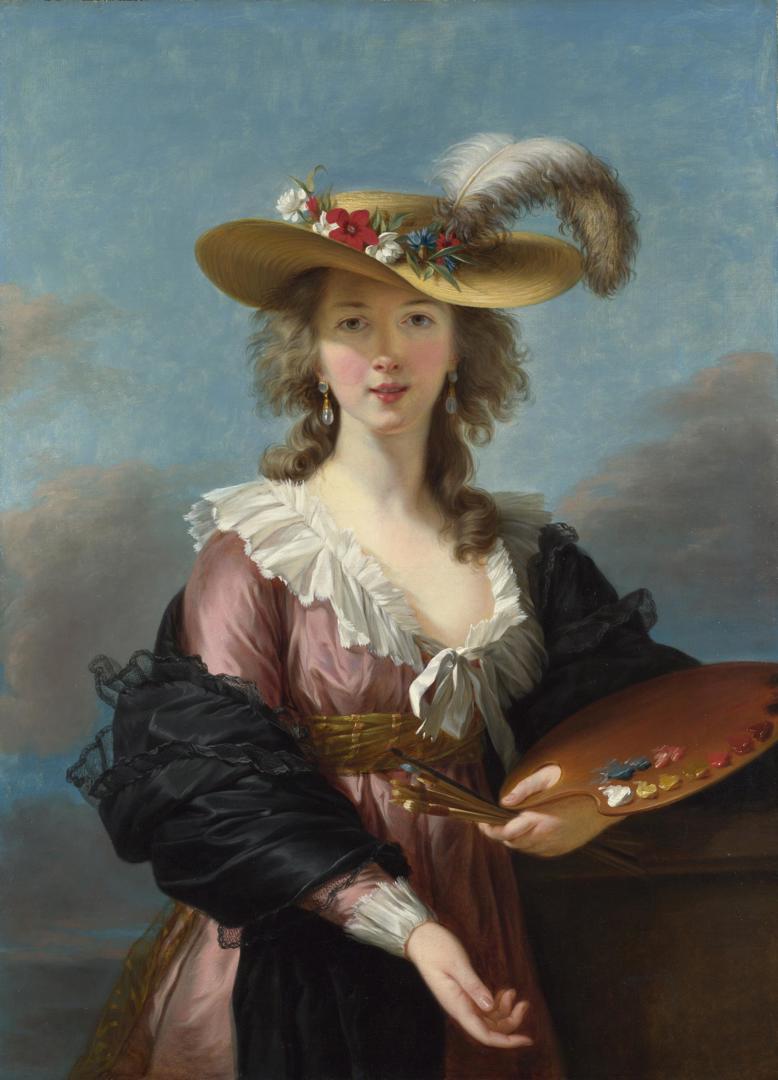
12023-04-18T00:46:31+00:00Amie Filletea19f215a988933e409dbe3d7df2628fc004a7813027plain2023-05-16T23:19:43+00:00Amie Filletea19f215a988933e409dbe3d7df2628fc004a781There are many subtleties and nuances that are incorporated into the art of self-representation. Clothing and the art of dress is a tool which can be instrumental in how the individual chooses to present themselves outwardly. As put forth by Elizabeth Wilson in her work, Adorned in Dreams, “Clothing marks an unclear boundary ambiguously, and unclear boundaries disturb us. […] If the body with its open orifices is itself dangerously ambiguous, then dress, which is an extension of the body yet not quite part of it, not only links the body to the social world, but also more clearly separates the two. Dress is the frontier between the self and the not-self.”[1] This notion of dress as “the frontier between the self and the not-self” is an idea which puts forth the art of dressing as something which takes an active role in distinguishing the self from the social world. Dress then acts in a liminal space between the physical body and the social world. Within this liminal space, individuals hold the agency to construct an image of the not-self through their clothing choices. Elisabeth Vigee Lebrun illustrates this notion not only in her self portraits, but also within her depiction of Marie Antoinette. She carefully crafts the representation of Marie Antoinette using the art of dress in order to craft an image of royal femininity for Marie Antoinette while using dress in her own self-portraits in order to represent herself with notions of female beauty and nontraditional ideals of motherhood.
[1] Elizabeth Wilson, Adorned in Dreams: Fashion and Modernity, Rutgers University Press, 2003, 3.