Welcome to the Exhibit
“If biography is peering through the windows of someone’s house and describing what you see…memoir is peeking into the windows of your own life. A voyeurism of the self. An interior looting” -Jenn Shapland, My Autobiography of Carson McCullers
“I hold one thickly braided cord as story" -Cherrie Moraga, Native Country of the Heart
Rethinking Queer History Through The Memoir
Queer individuals have consistently been excluded and marginalized in historical narratives for centuries. Their stories have often been told by others outside of the community. But queer voices demand to be heard from the source, directly from the person living that narrative.
This archival project works to do just that by constructing a queer historical archive built on an analysis of queer memoirs from the United States.
Why memoir?
The very subjectivity of the queer memoir, which some would argue is why it should not be considered history, actually enacts queerness itself. Queer identities, by nature, vary based on self-identification and self-understanding, and differ from person to person. The memoir allows writers to communicate the ways in which they conceptualize their own identity, which need not rely on generalizations, oversimplistic labels, or previous stereotypes. Gemma Killen describes the endeavor of queer historians as “attempting to ‘recover’ missing queer voices and produce stories about queer history that resist the medical and legal discourses within which they have traditionally been shrouded (2017, 60)” (McCann and Monaghan 234).
The memoir deserves extrapolation from the archives, as it inherently exists in resistance to legal and medical pathologizing discourses because it is a personal narrative. The memoir does not rely on medical diagnoses or legalities to characterize LGBTQIA+ identities; instead, LGBTQIA+ individuals are able to tell their own stories outside of the discourses that frequently misrepresent them.
The written page does not protest or oppress the writer; rather, it is a personal journal, a safe space, and a tool at the disposal of the memoir writer. The memoir gives queers the opportunity to tell their own stories as they are, external from the societal structures that try to define, stereotype, and classify them. This is precisely why the memoir should be examined as history, as it is direct insight into the inner thoughts and feelings of queer individuals at various points in time.
Navigating the Webtext
1) A summary-analysis of the twelve memoirs that informed this project. This section is intended to provide a brief overview of each memoir for interested readers. These are my own analyses, so therefore, the events that I found most notable might differ from others. The process of writing these severely impacted my understanding of my own queer identity. Through writing about other peoples' lives and taking the time to try to understand them, I learned about myself, and therefore I changed.
2) A visual map highlighting the locations that the memoir writers have visited or lived. This is a reminder of the physicality of the writers and these stories. It represents an embodiment of history, giving the writing a more material spacial rendering.
3) Common themes found across the memoirs. Part of my mission in this project is to better understand the nature of queer identities by finding commonalities among the genre of queer memoir: what binds the genre together? What does this say about queer identities?
4) The final section is a theoretical analysis of the findings using theories of assemblage as a framework. This section actually lended itself extremely well to a conventional essay through the centering of assemblage theory. The creation of this section helped frame the entire project and was helpful when I was trying to sort through my findings. This section also juxtaposes the difference of this kind of approach with the rest of the digital multimedia project. There is a difference between utilizing a conventional essay as the default versus as an intentional choice. In this case, it was certainly the latter.
5) There is no particular order recommended for navigating the webtext.
Digital Rhetorics Through Scalar
In My Autobiography of Carson McCullers, memoirist Jenn Shapland writes, "Carson is changing as I write about her, and so am I" (119). Queerness shows us that the self is always up for revision, that no mode of thinking need be fixed. The act of creating this project has changed me. I hope that viewing this project and learning about their stories will touch you in some way, just as it did for me. I admire the vulnerability, honesty, and bravery through which the authors of these memoirs have written about the details of their lives, and I want to thank each and every one of them for sharing their stories.
The “X” in the title of this project — Queer x Trans Memoir: In Sight of an Embodied History — stands for the multiplicity of queer identity. Cathy Cohen views sexual expression as “something that always entails the possibility of change, movement, redefinition, and subversive performance” (439). Change is inevitable, and queerness has never failed to ride that wave.
I hope that others will continue this work, contributing more voices to the archive. Queer history lives and breathes through memoirs, and I hope that others will continue the journey of excavation.
Welcome to the exhibit.
-Rhyan
This project was piloted in August 2022, made possible by a generous research grant from Chapman University. I want to thank Dr. Jan Osborn for their incredible support throughout the making of this project.
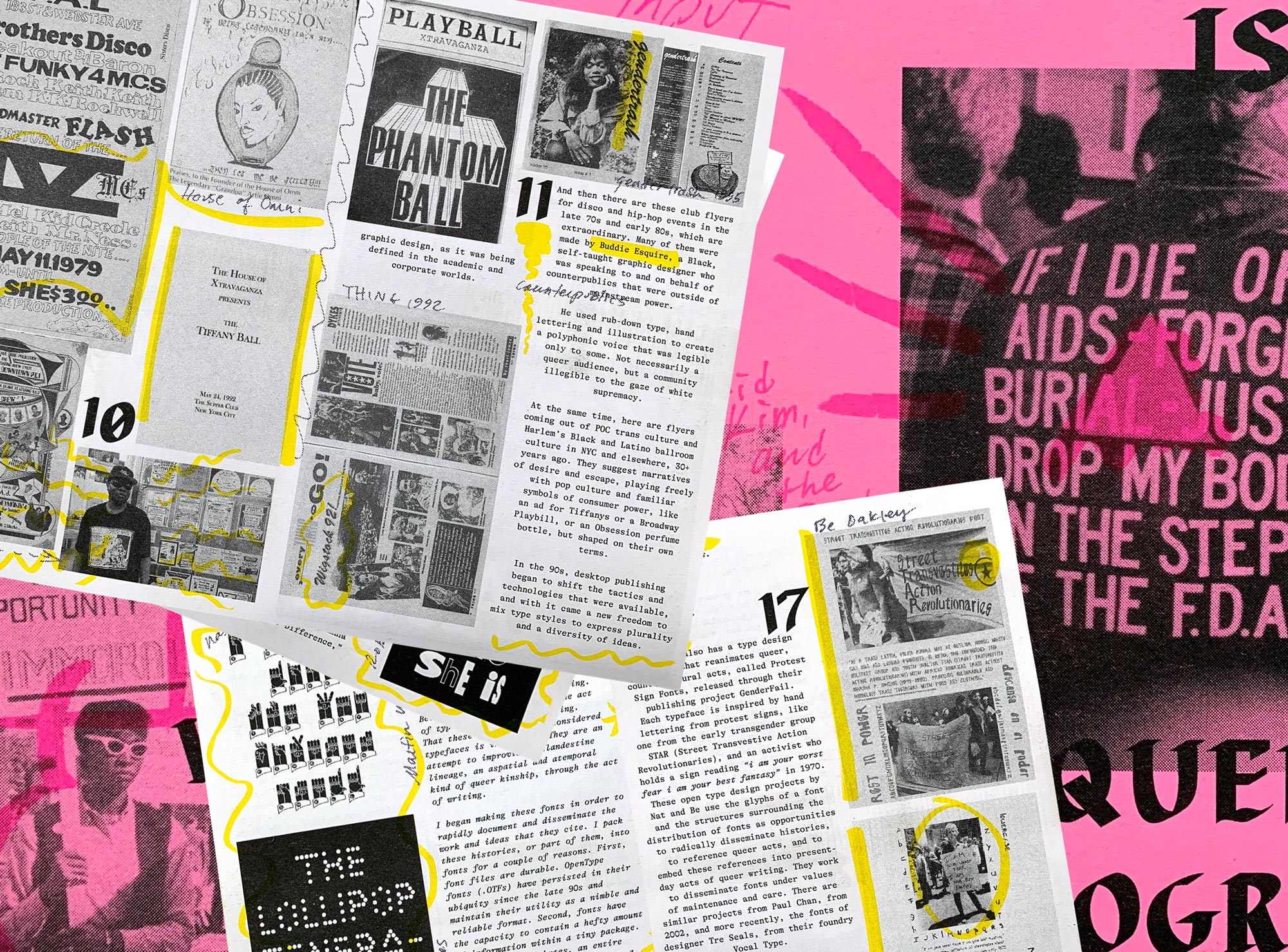
Cover photo credits: Queer.Archive.Work, Inc.
References:
McCann, Hannah, and Whitney Monaghan. Queer Theory Now: From Foundations to Futures.
Macmillan International, Red Globe Press, 2020.