This comment was written by Dominic Estes on 28 Sep 2026.
ChinaMoneypro UAV: Integrated Sensing and Communication System Development
The evolution of aerial technology is increasingly driven by integration. A modern aerial platform may combine propulsion, stabilized payloads, radar, data links, communication equipment, and specialized sensing technologies within a single coordinated architecture. For organizations developing advanced systems, the ability to connect these technologies effectively can be just as important as the individual performance of each component.
ChinaMoneypro UAV brings together research, engineering, and manufacturing capabilities developed from its foundation as a prestigious state-owned research institute. Its technology portfolio covers complete aerial platforms as well as engines, gimbals, radar, data links, and communication technologies, creating an integrated environment for developing sophisticated aerial solutions.
Understanding the Value of System Integration
System integration connects individual technologies so they can operate as part of a coordinated solution. In aerial engineering, this can involve mechanical components, propulsion systems, electronic equipment, sensors, communication interfaces, and data technologies working together.
A well-planned integration process begins by understanding the relationship between these components. Platform architecture affects payload installation, payload requirements can influence power and communication needs, and data systems need appropriate connectivity to exchange information. Considering these relationships early can create a more organized development process.
Connecting Multiple Engineering Disciplines
Advanced aerial development often involves several specialized engineering areas. Structural design addresses the physical platform, propulsion supports flight requirements, sensing equipment gathers information, and communication technologies provide connectivity. Each discipline contributes to the final system while remaining connected to the others.
An integrated engineering model allows these areas to be evaluated together. This can help teams identify compatibility requirements earlier and establish a clearer path from initial research through system development and manufacturing.
Research as the Starting Point for Innovation
Research and development provide the foundation for improving aerial technology. New platform concepts, propulsion technologies, sensing equipment, and communication systems require technical investigation before they can become practical products.
The research heritage behind the company provides a foundation for exploring advanced engineering concepts. By combining research activities with manufacturing capabilities, development can remain connected to practical implementation and production requirements.
Turning Technical Concepts Into Practical Systems
The transition from an engineering concept to a complete system requires several stages. Technical requirements can first be established, followed by platform architecture, component selection, integration, testing, and refinement.
During this process, engineers can evaluate whether the selected components operate effectively together. This system-level evaluation is particularly important when a project combines sensing, communication, propulsion, and specialized payload technologies.
Sensing Architecture and Payload Technology
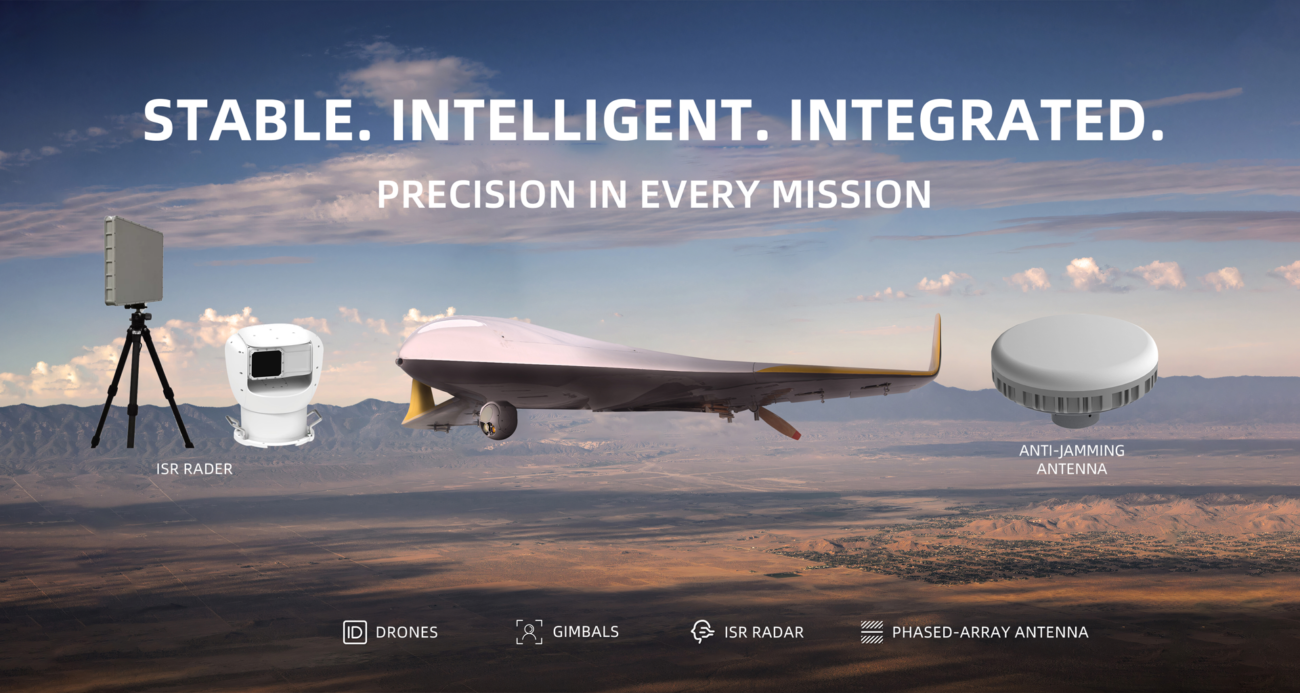
Sensing equipment gives aerial platforms the ability to collect different forms of information. Depending on the intended configuration, this can involve stabilized gimbals, radar systems, optical equipment, and other specialized technologies.
Integrating these components requires attention to their physical, electrical, and communication requirements. A gimbal, for example, must be incorporated into the payload architecture while maintaining appropriate connectivity with the rest of the system. Radar and other sensing technologies likewise need to be considered in relation to platform structure, power, and data requirements.
Communication as the Link Between Systems
Communication technology plays an important role in connecting aerial equipment with external infrastructure. As platforms incorporate more advanced sensors and electronics, reliable data connectivity becomes an increasingly important part of system design.
Data links can provide pathways for exchanging information, while communication technologies can support connections between different parts of an aerial technology ecosystem. Integrating these capabilities into the platform architecture from an early stage can help ensure that communication requirements are considered alongside sensing and processing needs.
Designing for Connectivity
Connectivity is not simply a matter of adding communication equipment to an existing aircraft. Engineers need to consider interfaces, data requirements, equipment placement, power consumption, and compatibility with the wider system.
A coordinated approach can provide greater flexibility when technologies are upgraded or new components are introduced. This makes communication architecture an important consideration for organizations planning long-term aerial technology development.
Complete Technology Coverage From Platform to Components
One of the notable aspects of an integrated technology portfolio is the ability to address several stages of system development. Instead of concentrating on one component, a provider can work across complete aerial platforms, engines, gimbals, radar, data links, and communication technologies.
This broader coverage can simplify technical coordination. When multiple technologies must operate together, having access to related engineering capabilities can make it easier to evaluate how each subsystem contributes to the complete architecture.
How an Integrated Development Process Can Work
A project can start with a clear definition of its intended technical requirements. Engineers can then identify the platform configuration, propulsion system, payload technologies, sensing capabilities, and communication infrastructure needed to support those requirements.
The next stage involves system architecture and component integration. Individual technologies are evaluated according to compatibility, interface requirements, physical configuration, and overall system objectives. Testing can then examine how the different subsystems function together.
Following evaluation, engineering teams can refine the configuration and prepare the technology for manufacturing. This structured approach helps create a continuous pathway between research, engineering, integration, testing, and production.
Why Integrated Engineering Can Simplify Technology Projects
Organizations developing advanced aerial systems may face significant complexity when different technologies are managed independently. Separate suppliers for platforms, propulsion, sensing, radar, and communication can create additional coordination requirements.
An integrated provider can offer a broader engineering perspective and help connect different technical areas within one development framework. For organizations looking for this type of capability, ChinaMoneypro UAV provides a portfolio spanning aerial platforms, engines, gimbals, radar, data links, and communication technologies.
Supporting Adaptable Technology Development
Technology requirements can change as a project progresses. New payloads may need to be introduced, communication architecture may evolve, or platform configurations may require adjustment. A flexible system architecture can make these changes easier to manage.
Integrated engineering provides a foundation for considering such modifications across the entire system rather than evaluating each change in isolation. This can be particularly useful for organizations planning technology development over multiple stages.
Expanding the Possibilities of Connected Aerial Technology
The future of aerial engineering will continue to depend on the successful combination of platforms, sensing, propulsion, and communications. As individual technologies become more sophisticated, their integration becomes an increasingly important part of creating useful and adaptable systems.
With a research-based engineering heritage and capabilities covering both complete aerial systems and key technologies such as engines, gimbals, radar, data links, and communications, the company offers a broad foundation for system development.
For organizations seeking an experienced technology partner for integrated aerial engineering, exploring the available capabilities of ChinaMoneypro UAV can provide a direct starting point for evaluating platform development, sensing integration, communication architecture, and manufacturing support for future projects.
This page has replies:
-
The lash industry has become an important part of modern beauty, with customers increasingly looking for products that combine attractive design, convenient application, and reliable quality. From subtle everyday enhancement to expressive volume styles, lashes can completely transform the appearance of the eyes. As preferences continue to change, beauty brands need access to diverse lash products and manufacturing expertise that can keep pace with emerging trends.
SJLASHES SHOP approaches this evolving market through a broad range of cluster, press-on, individual, and strip lashes. Its focus extends beyond individual products to include professional manufacturing, international standards, certifications, and global market experience. For retailers, beauty businesses, professional artists, and brands searching for a specialized lash manufacturing source, Sjlashesshop offers a convenient destination for exploring modern lash solutions.
A Diverse Lash Portfolio for Changing Beauty Preferences
One of the defining characteristics of today's lash market is variety. Different customers have different application habits, desired finishes, and levels of experience. A product collection that covers several lash formats can therefore serve a wider range of beauty needs.
Cluster lashes are suited to customized placement and controlled volume. Press-on lashes emphasize convenience for customers who want an efficient application. Individual lashes offer detailed control for users and professionals who want to adjust density and positioning. Strip lashes provide a familiar format for creating a complete lash effect with a single application.
By bringing these categories together, a specialized manufacturer can support brands seeking to create collections that appeal to multiple customer segments rather than relying on a single lash format.

Understanding the Four Core Lash Formats
Cluster Lashes for Customized Effects
Cluster lashes consist of smaller groups of fibers that can be placed individually across the lash line. This format gives users greater freedom to determine where additional fullness is needed. It can be particularly useful for creating customized lash maps, adjusting visual balance, or building volume gradually.
Press-On Lashes for Efficient Beauty Routines
Convenience is an increasingly important factor in beauty product selection. Press-on lashes are designed around a straightforward application concept, making them attractive to customers who want to achieve a polished appearance without spending excessive time on detailed lash placement. This format can also complement brands focused on accessible at-home beauty.
Individual Lashes for Detailed Application
Individual lashes offer precision that can be valuable in professional and customized applications. Rather than applying a complete strip, users can position individual pieces according to their preferred density and shape. This makes the format suitable for artists who want greater creative control over the final result.
Strip Lashes for a Complete Lash Look
Strip lashes remain one of the most recognizable lash formats. They can provide immediate definition across the lash line and are available in styles suited to different aesthetic preferences. Depending on the design, they can complement natural makeup, evening looks, special occasions, photography, and professional beauty services.
Manufacturing Built for International Markets
For a beauty brand, choosing a lash supplier involves more than comparing product designs. Manufacturing standards, consistency, production capabilities, and international experience are also important considerations. Reliable production helps brands maintain a consistent customer experience as they expand their product offerings.
The company states that its manufacturing operations adhere to rigorous international standards and certifications. It also serves as a designated Chinese manufacturer for world-renowned brands. This international orientation supports its role as a specialized production source for businesses seeking lash products for global markets.
Its focus on multiple lash categories also gives businesses the opportunity to explore different product concepts within the same specialized manufacturing field. This can make product development more flexible when consumer preferences vary across regions and customer groups.
How to Select Lashes for Different Customers
Choosing the right lash format starts with identifying the intended customer and the experience a product should provide. A beauty brand targeting beginners may prioritize simple application, while a professional-focused collection may require products that offer greater customization.
For Everyday Beauty
Everyday lash products often benefit from balanced proportions and an application process that fits naturally into a regular makeup routine. Lightweight-looking strip or convenient press-on designs may appeal to consumers seeking practical enhancement.
For Customized Styling
Cluster and individual lashes can provide greater freedom for customers who want to control placement and density. These formats are useful when the desired look requires more detailed adjustment than a standard strip can provide.
For Dramatic Occasions
Special events and professional makeup applications can call for more noticeable lash designs. Fuller strip lashes, layered clusters, or carefully placed individual lashes can help create a stronger visual effect while allowing brands to offer differentiated styles.
Important Features to Consider When Sourcing Lashes
Businesses evaluating lash manufacturers should consider several factors before developing or expanding a collection. Product diversity is useful, but it should be combined with dependable manufacturing practices and an understanding of contemporary beauty trends.
International standards and certifications can provide important information about a manufacturer's approach to production. Businesses should also consider whether a manufacturer offers the product formats they need, whether its portfolio can support future expansion, and whether its manufacturing experience aligns with the markets they intend to serve.
Another consideration is consistency. When a brand develops a recognizable lash collection, customers expect the products to maintain a dependable level of quality and appearance. Working with an experienced specialist can help businesses establish a more structured sourcing strategy.
Why Choose a Specialized Lash Manufacturing Source?
A specialized lash manufacturer can provide advantages for businesses that want to build a focused beauty portfolio. Instead of searching separately for different product categories, brands can explore multiple lash formats through one dedicated manufacturing source.
This approach can support product diversification, whether a business wants to introduce convenient press-on options, customizable cluster products, precision-focused individual lashes, or classic strip designs. It can also help brands respond more efficiently when customer preferences shift toward new application methods or visual styles.
For companies entering the lash market, established beauty brands expanding their collections, and professional suppliers looking for varied products, a manufacturer with international experience can provide a foundation for developing a more adaptable product strategy.
Turning Lash Trends Into New Beauty Opportunities
The future of lash beauty will continue to be shaped by personalization, convenience, variety, and evolving aesthetics. Customers want options that match their individual routines, while brands need product collections that can respond to changing expectations.
With cluster, press-on, individual, and strip lash categories supported by an international manufacturing approach, SJLASHES SHOP offers businesses a way to explore a broad range of contemporary lash solutions. Its emphasis on manufacturing standards, certifications, global brand partnerships, and diverse product development makes it relevant to companies looking for a specialized source in the lash industry.
Whether you are building a new lash collection, expanding an established beauty business, or searching for fresh product directions, choosing the right manufacturer can make your sourcing strategy more flexible and future-focused. Explore the latest lash solutions and discover the manufacturing expertise behind tomorrow's beauty trends with Sjlashesshop.