This comment was written by Martina Beach on 28 Sep 2026.
Precision Ceramic Parts and Custom OEM Manufacturing Solutions for Modern Industry
Industrial equipment requires components that can deliver reliable performance under demanding working conditions. Heat, friction, chemical exposure, pressure, and continuous operation can place significant demands on individual parts. Precision ceramic components are increasingly valuable in applications where dimensional accuracy, durability, material stability, and specialized performance are important. When carefully designed and manufactured, ceramic parts can become dependable elements within pumps, machinery, fluid-handling systems, and other technical equipment.
Custom manufacturing is especially useful when standard components cannot meet the exact requirements of a project. Businesses may already have detailed engineering drawings, an existing component that needs to be reproduced, or simply an idea for a new product. A capable OEM manufacturer can evaluate those requirements, develop a practical production approach, and provide an accurate quotation before manufacturing begins. For companies seeking this type of service, JuchangCeramic precision ceramic parts Manufacturer offers professional solutions for custom ceramic parts, pumps, and specialized components.
Why Custom Ceramic Components Are Valuable
Technical ceramics can provide a useful combination of characteristics for demanding industrial environments. Depending on the selected material and application, ceramic components may offer excellent resistance to wear, chemical exposure, elevated temperatures, and electrical conditions. These properties make them suitable for applications where conventional materials may not provide the desired combination of performance characteristics.
However, successful ceramic manufacturing involves more than selecting a material. Component geometry, dimensions, tolerances, surface requirements, operating conditions, and intended service environment all need to be considered. A custom approach allows these factors to be evaluated together so the finished component is developed around its actual purpose.
Application-Specific Engineering
Every component has a specific role within an equipment system. A ceramic part used in a fluid-handling application may have different requirements from one used in an electrical assembly or mechanical system. Understanding the application's temperature, pressure, chemical exposure, movement, friction, and load conditions helps establish appropriate manufacturing requirements.
By communicating these details at the beginning of a project, customers can provide the manufacturer with the information needed to evaluate the component more effectively and develop a suitable production plan.
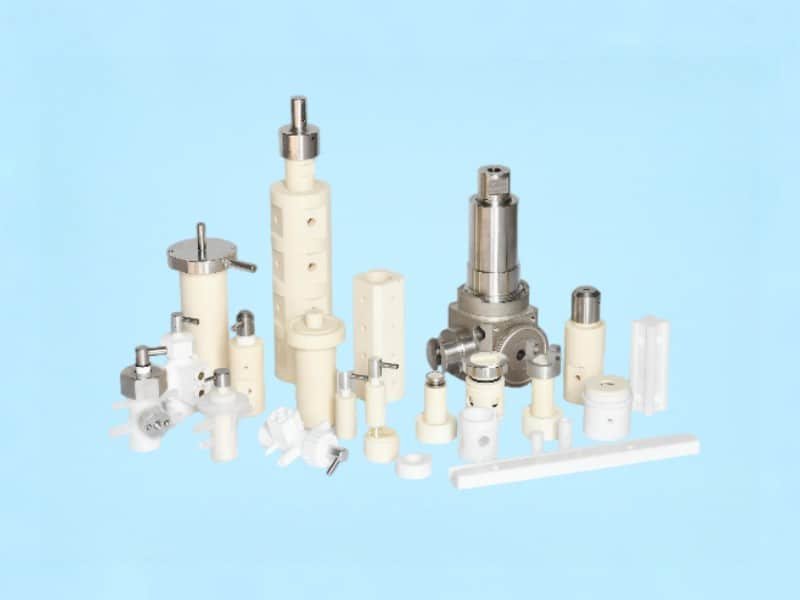
OEM Manufacturing From Drawings or Initial Concepts
OEM manufacturing provides businesses with a flexible way to source components according to their own technical requirements. Customers with complete engineering drawings can submit detailed specifications for review. Dimensions, tolerances, geometry, material requirements, quantities, and other technical information can then be considered before production.
Not every project begins with a finished drawing, however. Some customers have a prototype, sample, reference image, basic measurements, or simply an idea describing what the component should accomplish. These details can provide a starting point for discussing the manufacturing requirements and developing a practical solution.
Turning a Concept Into a Production Solution
The first stage of a custom project is understanding the intended function of the product. Customers can explain where the component will be used, what conditions it must handle, and which performance characteristics are important. This information helps establish a clearer technical direction.
Once the requirements are understood, the project can move through specification review, quotation, production planning, manufacturing, and inspection. This structured process creates a clear connection between the original concept and the finished component.
Main Benefits of Precision Ceramic Parts
Precision ceramic components can provide several useful advantages when properly matched to an application. While performance depends on the selected material and design, several characteristics are particularly relevant to industrial manufacturing.
High Wear Resistance
Continuous friction and mechanical movement can gradually damage conventional components. Certain ceramic materials offer strong resistance to wear and abrasion, making them useful for applications where maintaining component integrity over repeated operation is important.
Chemical Resistance
Industrial systems may operate with aggressive fluids or chemicals. Depending on the ceramic composition, technical ceramic components can provide useful resistance to chemical exposure. This makes material compatibility an important factor when designing parts for fluid-handling and processing equipment.
Thermal Stability
Elevated temperatures can affect the performance and service life of many materials. Certain ceramics can retain important properties under high-temperature conditions, making them suitable for specialized applications where thermal performance is required.
Dimensional Precision
Many ceramic parts must fit accurately with other components. Controlled manufacturing and appropriate inspection procedures help ensure that finished parts correspond to the required dimensions and tolerances, supporting proper assembly and equipment operation.
Custom Ceramic Pumps and Fluid-Handling Components
Pumps and fluid-handling systems can operate under demanding conditions for extended periods. Their components may encounter pressure, fluid exposure, temperature changes, mechanical movement, and friction. For this reason, pump components need to be selected and manufactured according to the requirements of the complete system.
Custom ceramic manufacturing allows these requirements to be incorporated into the component development process. Dimensions, geometry, material characteristics, and operating conditions can be evaluated together to create a part that is intended for the specific application.
Important Factors for Pump Components
Before manufacturing a ceramic pump component, it is useful to provide information about the working fluid, temperature range, pressure, operating frequency, component dimensions, and expected service conditions. These details help establish realistic manufacturing specifications.
A well-defined application also helps prevent unnecessary changes during production. Clear communication between the customer and manufacturer provides a stronger foundation for quotation, manufacturing, inspection, and final delivery.
How the Custom Manufacturing Process Works
The custom production process begins with the customer's requirements. Technical drawings, CAD files, samples, measurements, photographs, or application descriptions can be supplied depending on what is available.
Requirement Assessment
The available information is reviewed to understand the component's dimensions, geometry, tolerances, material requirements, production quantity, and intended application. Any important missing details can be clarified before production planning.
Quotation and Production Planning
After the technical requirements are understood, the project can be evaluated for manufacturing. An accurate quotation can be prepared according to the specifications and production requirements, giving customers a clearer basis for moving forward.
Manufacturing and Quality Inspection
Once the specifications are confirmed, production can proceed according to the agreed requirements. Quality inspection helps verify that the finished components meet applicable dimensional and technical specifications before they are delivered.
Delivery and Integration
After manufacturing and inspection, the completed components can be prepared for delivery. Customers can then integrate the parts into their machinery, pumps, assemblies, prototypes, or production systems according to their intended use.
Why Businesses Choose a Specialized OEM Partner
A specialized ceramic manufacturer can provide valuable flexibility when standard products are not suitable. Instead of redesigning equipment around an available component, businesses can work toward a customized part based on the actual requirements of their system.
This approach can also support different project stages. A company may need a single prototype during product development, a replacement component for existing equipment, or repeated OEM production for an established product line. Clearly defined specifications and direct communication can make each type of project easier to manage.
For businesses requiring customized ceramic manufacturing, professional OEM support provides a practical route from technical requirements to finished products. The ability to work with both detailed drawings and early-stage concepts makes the process more accessible for different types of industrial projects.
Take the Next Step Toward Custom Ceramic Production
Precision ceramic manufacturing brings together material selection, application analysis, accurate dimensions, specialized production, and quality inspection. When these elements are carefully coordinated, businesses can obtain components designed around the actual requirements of their equipment rather than relying solely on generic products.
Whether you have a complete technical drawing, an existing sample, or only an idea for a new ceramic component, a professional OEM manufacturing process can help transform that requirement into a practical product. Accurate quotation and reliable production provide a clear path from the initial discussion to the finished component.
If your business needs precision ceramic parts, custom ceramic pumps, or specialized industrial components, now is the right time to discuss your requirements with an experienced manufacturing partner. Submit your drawings or project concept and move confidently from an initial idea to a professionally manufactured ceramic solution.