This comment was written by Quynn Jenkins on 5 Nov 2026.
Advanced Electronics Contract Manufacturing for Custom PCB Assembly and Complete Turnkey Product Solutions
Developing reliable electronic products requires more than innovative ideas and sophisticated circuit designs. Businesses must also consider engineering precision, component compatibility, material selection, manufacturing capabilities, and production scalability. As electronic applications become increasingly complex, finding a manufacturing partner capable of managing these requirements is essential for achieving consistent product development results.
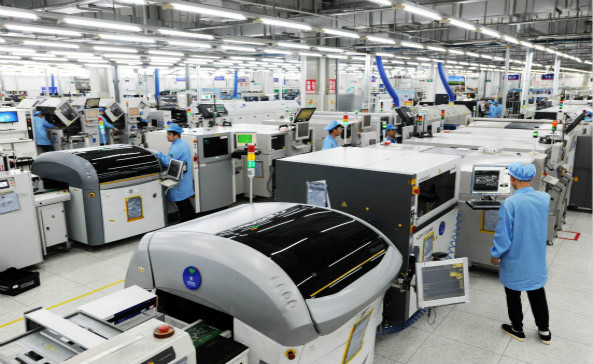
Electronics contract manufacturing provides businesses with access to specialized equipment, technical expertise, and coordinated production services. Instead of investing in every manufacturing resource independently, companies can work with an experienced provider to manage different stages of production, from initial prototyping to finished electronic systems.
Whether a project involves a specialized printed circuit board, a complex electronic assembly, or a complete turnkey product, the right manufacturing approach can improve coordination and provide greater flexibility throughout the development process.
Integrated Manufacturing Solutions for Complex Electronic Projects
Modern electronics projects frequently involve several interconnected manufacturing activities. PCB layouts, component sourcing, material preparation, circuit board assembly, and final product integration must work together to achieve the required specifications.
A full turnkey manufacturing service brings these activities together through one coordinated provider. This approach can simplify communication, reduce supplier management responsibilities, and help businesses maintain better oversight of their production requirements.
Businesses looking for comprehensive production support can explore Wintech PCB Assemblies for customized electronics manufacturing services. Its capabilities include high-mix production, low-to-mid-volume manufacturing, complex PCB assemblies, prototyping, and complete electronic product solutions.
Precision Engineering for Advanced PCB Assemblies
Printed circuit boards form the foundation of countless electronic devices and industrial systems. Their design and assembly influence electrical functionality, component organization, and the overall performance of finished products.
As technology advances, manufacturers increasingly encounter PCB projects involving high-density layouts, large board dimensions, complicated structures, and demanding precision requirements. These projects require careful consideration of engineering specifications and manufacturing processes.
High-Precision PCB Layout Requirements
PCB layout planning involves arranging electronic components and designing the electrical connections required for a particular application. Every project may have different requirements depending on its functionality, dimensions, and operating environment.
Precision is particularly important when working with complicated circuit configurations. Careful design evaluation and manufacturing coordination help ensure that the final assembly follows the intended technical specifications.
Complex and Large-Format Circuit Boards
Some electronic applications require larger circuit boards or specialized structural configurations. These projects may present additional challenges involving material characteristics, component placement, board handling, and assembly planning.
Customized manufacturing solutions help address these challenges by considering the unique characteristics of each project instead of relying exclusively on conventional production methods.
Flexible High-Mix Electronics Manufacturing
Businesses do not always manufacture one product in extremely large quantities. Many organizations manage multiple electronic product designs, specialized equipment configurations, and customer-specific manufacturing requirements.
High-mix manufacturing provides the flexibility to accommodate different product variations within a coordinated production environment. This is particularly useful for companies serving industrial, commercial, and specialized technology markets.
Advantages of Low-to-Mid-Volume Production
Low-to-mid-volume manufacturing allows businesses to produce smaller quantities while maintaining access to professional manufacturing capabilities. It can support product launches, engineering projects, specialized equipment, and applications where production demand varies.
This approach also gives companies more flexibility when evaluating market demand. Instead of immediately committing to extremely large quantities, businesses can develop their products through manageable production stages.
Supporting Future Mass Production
As a product becomes established, manufacturing requirements may increase. A provider with broader production capabilities can help businesses plan for changing volumes and evolving product specifications.
Combining flexible manufacturing with mass production capabilities creates opportunities for a more continuous production strategy as business requirements develop.
Why Prototyping Is Essential Before Large-Scale Production
Prototyping is an important part of electronic product development because it allows businesses to evaluate their designs before moving into larger manufacturing operations.
During this stage, engineers can examine circuit board functionality, component compatibility, design accuracy, and potential manufacturing challenges. Identifying problems early can help reduce unnecessary production adjustments and support better development decisions.
From Initial Design to Functional Prototype
The process generally begins with technical documentation, including PCB design files, component information, and product specifications. Manufacturing teams review the available information to understand the project's requirements and determine an appropriate production approach.
After the prototype is manufactured, the product can undergo evaluation and testing. Any necessary design improvements can then be considered before larger production quantities are scheduled.
Transitioning into Complete Product Manufacturing
Once the design has been validated, manufacturing can progress toward PCB assembly, product integration, and complete system production. An integrated service provider can coordinate these activities according to the agreed project requirements.
Custom Material Solutions for Specialized Applications
Material selection is another important factor in advanced electronics manufacturing. Different products may require specific material properties, specialized structural arrangements, or customized production considerations.
Custom material solutions help manufacturers accommodate these differences. By evaluating project specifications and intended applications, businesses can discuss suitable material and manufacturing options for their products.
This flexibility is especially valuable for technically challenging projects involving large circuit boards, complex assemblies, or specialized electronic systems.
Important Features of a Professional Turnkey Manufacturing Service
When selecting an electronics manufacturing partner, businesses should consider whether the provider can support their complete project requirements. Several capabilities are particularly important for organizations developing advanced electronic products.
Comprehensive Production Capabilities
Access to PCB assembly, prototyping, customized materials, and complete product manufacturing can simplify the development process. Coordinated services also help reduce the need to manage several independent manufacturing relationships.
Tailored Manufacturing Approaches
Every project has unique specifications. A flexible provider should be able to understand individual requirements and develop an appropriate manufacturing approach for different board sizes, structural complexities, and production volumes.
International Manufacturing Experience
Serving international customers requires an understanding of different technical expectations and business requirements. The company reports long-term cooperation with many enterprises among the world's top 500 companies, highlighting its experience in supporting global manufacturing customers.
Scalable Production Planning
Manufacturing requirements can change as products develop and customer demand increases. Flexible production planning helps businesses accommodate different quantities, from initial prototypes to low-volume, mid-volume, and mass production.
How to Prepare for an Electronics Manufacturing Project
Successful manufacturing begins with clear project information. Businesses can make the initial evaluation process easier by preparing the relevant technical documents and explaining their expected production requirements.
Before starting a project, consider preparing the following:
1. PCB layout files and engineering documentation.
2. Circuit diagrams and electronic component specifications.
3. Required board dimensions and structural details.
4. Material requirements and any specialized manufacturing considerations.
5. Expected production quantities and prototype requirements.
6. Complete product specifications if turnkey system manufacturing is needed.
Once these details are available, the manufacturing provider can review the project and discuss suitable production options. Clear communication during planning helps establish realistic expectations and supports a more organized workflow.
Choose a Manufacturing Partner for Your Next Electronic Innovation
Advanced electronics manufacturing requires a combination of precision engineering, technical knowledge, flexible production capabilities, and coordinated project management. Businesses developing sophisticated electronic products need manufacturing support that extends beyond standard circuit board assembly.
From high-precision PCB layouts and complex assemblies to custom material solutions, prototyping, and complete turnkey electronic systems, an integrated manufacturing approach can simplify production and support different business requirements. High-mix and low-to-mid-volume capabilities also provide flexibility for specialized products, while broader production options help accommodate increasing demand.
For organizations seeking professional electronics contract manufacturing services, Wintech offers customized solutions designed around technically demanding projects and international customer requirements. Explore its manufacturing capabilities and discover how experienced production support can help turn your electronic designs into reliable finished products.