This comment was written by Bethany Kline on 5 Nov 2026.
AUTORA Slovakia: Praktický sprievodca slovenskými daňami a účtovníctvom
AUTORA Slovakia: Praktický sprievodca slovenskými daňami a účtovníctvom
Orientácia v slovenskej daňovej legislatíve, účtovníctve a administratívnych povinnostiach môže byť pre podnikateľov, živnostníkov aj bežných občanov náročná. Pravidlá sa pravidelne menia a správne pochopenie zákonov je dôležité pre každého, kto chce efektívne spravovať svoje finančné záležitosti. Práve preto rastie záujem o kvalitné online zdroje, ktoré poskytujú praktické informácie a pomáhajú používateľom lepšie sa orientovať v slovenskom právnom a ekonomickom prostredí.
Moderný Slovak tax portal predstavuje užitočný nástroj na získavanie informácií o daniach, účtovníctve a súvisiacich povinnostiach. Jednou z možností, ako si rozšíriť vedomosti v tejto oblasti, je AUTORA Slovakia, online platforma zameraná na slovenské právne, daňové a ekonomické informácie. Jej obsah môže byť užitočný pre jednotlivcov aj profesionálov, ktorí hľadajú relevantné informácie na jednom mieste.
Prečo sú online daňové a účtovné informácie dôležité?
Daňové a účtovné povinnosti patria medzi základné aspekty podnikania na Slovensku. Správne vedenie účtovníctva, pochopenie daňových pravidiel a dodržiavanie zákonných termínov pomáhajú predchádzať zbytočným komplikáciám. Pre podnikateľov je navyše dôležité sledovať legislatívne zmeny, ktoré môžu ovplyvniť ich každodenné rozhodovanie.
Digitálne informačné platformy umožňujú vyhľadávať potrebné údaje pohodlne a bez zdĺhavého prechádzania množstva rôznych zdrojov. Používatelia tak môžu efektívnejšie získavať základný prehľad o témach, ktoré súvisia s ich pracovnými alebo osobnými finančnými záležitosťami.
Jednoduchší prístup k relevantným informáciám
Online informačné portály poskytujú praktickú alternatívu k tradičnému vyhľadávaniu odborných materiálov. Ich výhodou je dostupnosť, flexibilita a možnosť vyhľadávať konkrétne témy podľa aktuálnych potrieb. Používatelia môžu začať všeobecným prehľadom a postupne sa venovať detailnejším otázkam.
Hlavné výhody slovenského daňového portálu
Kvalitný Slovak accounting portal môže predstavovať významnú pomoc pri orientácii v účtovných a finančných otázkach. Dôležitá je predovšetkým prehľadnosť informácií, zrozumiteľné vysvetlenia a možnosť rýchlo nájsť obsah týkajúci sa konkrétnej problematiky.
Medzi hlavné výhody online informačných zdrojov patria:
- Úspora času: Vyhľadávanie digitálnych informácií môže byť rýchlejšie než štúdium rozsiahlych odborných publikácií.
- Flexibilita: Používatelia môžu získavať informácie podľa vlastného harmonogramu.
- Široký tematický záber: Daňové, účtovné a právne otázky možno skúmať v širších súvislostiach.
- Podpora vzdelávania: Online obsah pomáha rozvíjať finančnú gramotnosť a lepšie pochopiť odborné pojmy.
- Praktické využitie: Získané poznatky môžu pomôcť pri príprave na administratívne a podnikateľské úlohy.
Pri používaní podobných zdrojov je však dôležité overovať aktuálnosť informácií a v prípade komplikovaných právnych alebo daňových otázok konzultovať odborníka.
Ako využívať AUTORA Slovakia na získavanie informácií?
Efektívne využívanie online informačného portálu začína jasným definovaním toho, čo používateľ potrebuje zistiť. Namiesto všeobecného prehliadania obsahu je vhodné zamerať sa na konkrétnu tému, napríklad daňové povinnosti podnikateľa, účtovné postupy alebo aktuálne legislatívne otázky.
Pri vyhľadávaní informácií môže pomôcť jednoduchý postup:
- Identifikujte konkrétnu otázku alebo problém, ktorý potrebujete vyriešiť.
- Vyhľadajte relevantné články a odborné informácie na portáli.
- Preštudujte si obsah a venujte pozornosť vysvetleniam odborných pojmov.
- Porovnajte získané poznatky s aktuálnymi právnymi predpismi.
- V prípade nejasností sa obráťte na účtovníka, daňového poradcu alebo právneho odborníka.
Takýto prístup umožňuje lepšie pochopiť problematiku a využiť dostupné informácie efektívnejšie. Portál môže slúžiť ako východiskový bod pri štúdiu tém, ktoré si vyžadujú ďalšie odborné preverenie.
Význam účtovníctva pre podnikateľov a živnostníkov
Účtovníctvo zohráva zásadnú úlohu pri riadení každej podnikateľskej činnosti. Poskytuje prehľad o príjmoch, výdavkoch, finančných záväzkoch a celkovej ekonomickej situácii firmy. Správne spracované účtovné údaje umožňujú prijímať informované rozhodnutia a lepšie plánovať budúci rozvoj.
Pre začínajúcich podnikateľov môže byť pochopenie účtovných pravidiel náročné. Odborné informačné zdroje pomáhajú objasniť základné pojmy, vysvetliť jednotlivé postupy a upozorniť na oblasti, ktorým treba venovať osobitnú pozornosť.
Pravidelné sledovanie relevantných informácií je užitočné aj pre skúsených podnikateľov, ktorí potrebujú reagovať na zmeny v legislatíve a prispôsobovať svoje administratívne procesy aktuálnym požiadavkám.
Čo robí kvalitný informačný portál hodnotným?
Pri výbere online zdroja je dôležité zohľadniť niekoľko faktorov. Kvalitný portál by mal ponúkať zrozumiteľný obsah, logickú štruktúru a informácie, ktoré používateľom pomáhajú lepšie pochopiť konkrétnu problematiku.
Významnú úlohu zohráva aj pravidelná aktualizácia obsahu. Daňové a účtovné pravidlá sa môžu meniť, preto je nevyhnutné pracovať s aktuálnymi informáciami a overovať ich podľa platných právnych predpisov.
Dobré informačné prostredie zároveň podporuje samostatné vzdelávanie. Používatelia môžu postupne rozširovať svoje vedomosti, získavať lepší prehľad o finančných otázkach a pripravovať sa na zodpovednejšie rozhodovanie.
Objavte praktické informácie pre slovenské podnikateľské prostredie
Orientácia v daniach, účtovníctve a právnych povinnostiach nemusí byť zbytočne komplikovaná. Vhodne zvolené online informačné zdroje dokážu zjednodušiť vyhľadávanie odborných poznatkov a podporiť lepšie pochopenie slovenského ekonomického prostredia.
AUTORA Slovakia predstavuje zaujímavý zdroj pre každého, kto chce preskúmať témy súvisiace so slovenskou legislatívou, daňami a účtovníctvom. Navštívte portál, objavte dostupné informácie a využite jeho obsah ako praktický východiskový bod pri získavaní nových vedomostí. Správne informácie sú dôležitým základom úspešného podnikania aj zodpovedného finančného rozhodovania.
This page has replies:
-
Everyday access to drinking water is something most households take for granted until concerns about taste, odor, or water quality begin to arise. Tap water may be treated before reaching homes, but its characteristics can still vary depending on the source, distribution infrastructure, and plumbing conditions. For people who want a more enjoyable drinking experience, installing an additional filtration system can be a practical way to improve their household water routine.
Reverse osmosis technology has become a popular choice for homeowners seeking advanced water treatment. Modern RO systems are designed to reduce many dissolved substances while delivering convenient access to filtered water. With improvements in filtration speed, water efficiency, and everyday usability, these systems offer an attractive alternative to relying entirely on bottled drinking water.
Why Better Drinking Water Matters in Everyday Life
Water quality influences more than hydration. It also plays a role in preparing food, making beverages, and maintaining daily household routines. When tap water has an unpleasant taste or noticeable odor, people may become less comfortable using it for drinking and cooking.
A suitable home filtration system provides an additional treatment step that can address specific water-quality concerns. Instead of constantly purchasing bottled water, households can enjoy convenient access to filtered water directly from their kitchen. This can simplify shopping routines, reduce bottle storage requirements, and make everyday hydration more convenient.
Consumers researching modern filtration products can explore the Puflow Water Filter Store for advanced reverse osmosis solutions focused on cleaner-tasting water, fast flow, lower wastewater, and effortless daily operation.
Understanding the Benefits of Advanced RO Filtration
Reverse osmosis uses a specialized membrane to separate water from many dissolved substances. This process makes it useful for households looking for more comprehensive treatment than basic sediment filtration can provide.
Cleaner and More Enjoyable Drinking Water
One of the main advantages of reverse osmosis filtration is its ability to reduce many substances that can influence water taste. Depending on the membrane and system configuration, RO technology can reduce dissolved salts, certain metals, and other unwanted contaminants.
For households that dislike the flavor of their tap water, this additional treatment may create a more pleasant drinking experience. Filtered water can also be used for preparing coffee, tea, ice, and everyday meals.
Convenient Access Through Improved Water Flow
Water filtration should make household routines easier. Modern RO systems increasingly focus on practical water production and convenient dispensing. Faster flow can help reduce waiting when filling bottles, glasses, or cooking containers.
This feature is particularly useful for busy households where multiple people may need filtered water throughout the day.
More Efficient Water Usage
Traditional reverse osmosis systems produce wastewater as part of their filtration process. However, modern designs increasingly emphasize improved water efficiency. Systems developed with lower-waste performance in mind can help reduce the volume of water discharged during purification.
When comparing different models, consumers should review the manufacturer's stated water recovery ratio and understand that actual efficiency depends on operating conditions.
Simple Everyday Operation
A filtration system should fit naturally into a home rather than create additional complications. Convenient installation, accessible filter replacements, and clear maintenance instructions can make a significant difference to the overall ownership experience.
How Reverse Osmosis Systems Turn Tap Water into Filtered Water
The reverse osmosis process involves several treatment stages that work together to improve water quality. Although the technology may sound complicated, the basic process is relatively straightforward.
1. Preliminary Filtration
Incoming water usually passes through prefilters before reaching the RO membrane. These filters capture sediment and other suspended particles. Depending on the configuration, carbon filtration may also help reduce chlorine and certain chemicals that could affect membrane performance.
2. Reverse Osmosis Membrane Treatment
Water pressure pushes the incoming water through a semipermeable membrane. Water molecules pass through while many dissolved substances are reduced. The concentrated contaminants are separated and directed toward the wastewater outlet.
3. Final Filtration and Dispensing
Some systems include a post-filter that helps refine the taste of the treated water. Once filtration is complete, water is delivered through the dispensing outlet for household use. Users should follow the manufacturer's flushing and installation instructions before consuming water from a newly installed system.
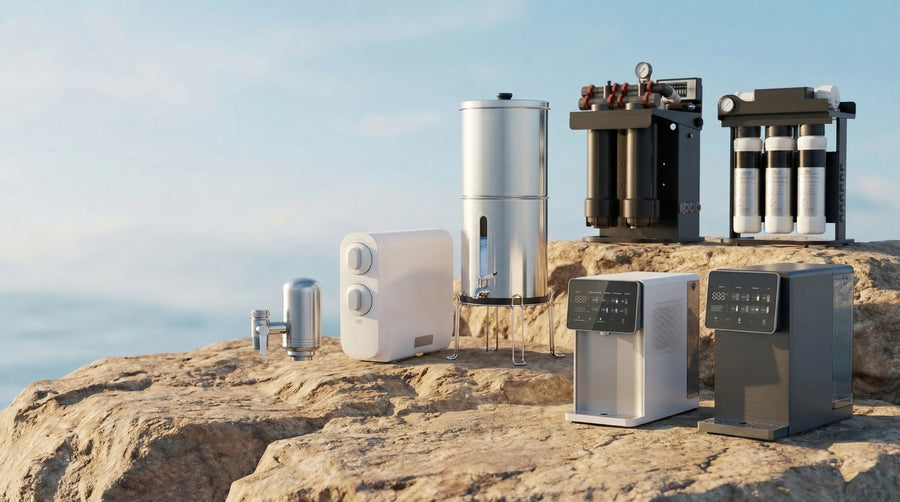
Explore the Design and Technology Behind Modern Water Filters
Choosing a water filtration system involves evaluating both its treatment capabilities and practical design. A product may offer advanced filtration, but its long-term value also depends on how conveniently it operates in a real household environment.
Filtration Performance
Review the product specifications to understand which contaminants the system is designed and independently tested to reduce. Certifications and verified performance information provide more useful guidance than broad claims about water purification.
Production Capacity
Daily water consumption should influence your purchasing decision. A larger household may need a system with greater production capacity, while smaller households may have different requirements. Check the rated output and the conditions under which the manufacturer measures performance.
Replacement Filter Availability
Filters and membranes require periodic replacement. Before purchasing, check the cost and availability of compatible replacement components. Understanding maintenance requirements in advance can help avoid unexpected expenses.
Installation Flexibility
Consider where the system will be installed and how much space is available. Check plumbing connections, drainage requirements, and electrical needs where applicable. Proper installation helps support reliable operation and prevents avoidable maintenance problems.
Why Homeowners Are Considering Puflow Water Filtration Solutions
Consumers increasingly want household appliances that combine useful technology with convenient operation. Water filtration products must meet similar expectations by delivering practical performance without making daily routines more complicated.
Puflow focuses on advanced reverse osmosis systems designed to address common household water concerns. Its approach emphasizes better-tasting drinking water, fast-flow performance, reduced wastewater, and effortless everyday use. These priorities make its product range worth exploring for homeowners interested in upgrading their drinking water setup.
Some important reasons consumers may consider these solutions include:
- Advanced RO technology: Membrane-based filtration designed to reduce many dissolved impurities.
- Improved drinking experience: A focus on producing cleaner-tasting water for daily use.
- Convenient water delivery: Fast-flow performance designed around everyday household needs.
- Water-conscious design: An emphasis on reducing wastewater during filtration.
- Practical usability: Solutions focused on making filtered water easier to access and enjoy.
For consumers comparing filtration options, these features provide a useful starting point when evaluating the right equipment for their home.
Maintenance Practices That Support Long-Term Performance
Even an advanced water filtration system needs regular maintenance. Following the manufacturer's recommendations helps maintain the intended filtration performance and keeps the equipment operating properly.
Replace cartridges and membranes according to their recommended schedules. Replacement intervals may vary depending on water quality, daily usage, and the specific system design. Waiting too long can affect water flow and filtration effectiveness.
Homeowners should also inspect tubing and connections periodically for leaks. Keep the installation area clean, monitor changes in water taste or flow, and follow any recommended sanitization procedures. Maintaining a simple replacement record can make it easier to organize future servicing.
Regular water testing may also be useful when incoming water conditions change or when there are specific concerns about particular contaminants. This helps ensure that the selected filtration system remains appropriate for the household's needs.
Make Cleaner-Tasting Water an Everyday Convenience
Improving your household drinking water experience starts with choosing a filtration solution that balances treatment performance, convenience, and efficiency. Advanced reverse osmosis systems can reduce many dissolved substances while helping produce better-tasting water. Features such as faster flow, reduced wastewater, and straightforward operation make modern RO technology an appealing choice for households looking to improve everyday hydration.
The right system should match your water quality, household consumption, installation space, and maintenance preferences. Taking time to compare these factors can help you choose equipment that supports your long-term expectations.
If you are ready to upgrade your home drinking water setup, explore the advanced filtration solutions available through Puflow's official website. Discover modern RO technology designed to deliver cleaner-tasting water with convenient flow, lower waste, and effortless daily use. Make a smarter choice for your kitchen and enjoy a better water experience with Puflow.
-
Developing reliable electronic products requires more than innovative ideas and sophisticated circuit designs. Businesses must also consider engineering precision, component compatibility, material selection, manufacturing capabilities, and production scalability. As electronic applications become increasingly complex, finding a manufacturing partner capable of managing these requirements is essential for achieving consistent product development results.
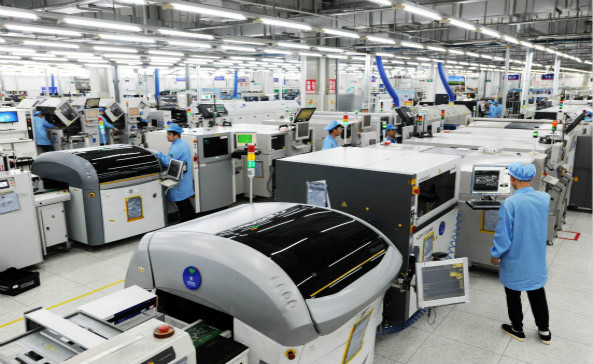
Electronics contract manufacturing provides businesses with access to specialized equipment, technical expertise, and coordinated production services. Instead of investing in every manufacturing resource independently, companies can work with an experienced provider to manage different stages of production, from initial prototyping to finished electronic systems.
Whether a project involves a specialized printed circuit board, a complex electronic assembly, or a complete turnkey product, the right manufacturing approach can improve coordination and provide greater flexibility throughout the development process.
Integrated Manufacturing Solutions for Complex Electronic Projects
Modern electronics projects frequently involve several interconnected manufacturing activities. PCB layouts, component sourcing, material preparation, circuit board assembly, and final product integration must work together to achieve the required specifications.
A full turnkey manufacturing service brings these activities together through one coordinated provider. This approach can simplify communication, reduce supplier management responsibilities, and help businesses maintain better oversight of their production requirements.
Businesses looking for comprehensive production support can explore Wintech PCB Assemblies for customized electronics manufacturing services. Its capabilities include high-mix production, low-to-mid-volume manufacturing, complex PCB assemblies, prototyping, and complete electronic product solutions.
Precision Engineering for Advanced PCB Assemblies
Printed circuit boards form the foundation of countless electronic devices and industrial systems. Their design and assembly influence electrical functionality, component organization, and the overall performance of finished products.
As technology advances, manufacturers increasingly encounter PCB projects involving high-density layouts, large board dimensions, complicated structures, and demanding precision requirements. These projects require careful consideration of engineering specifications and manufacturing processes.
High-Precision PCB Layout Requirements
PCB layout planning involves arranging electronic components and designing the electrical connections required for a particular application. Every project may have different requirements depending on its functionality, dimensions, and operating environment.
Precision is particularly important when working with complicated circuit configurations. Careful design evaluation and manufacturing coordination help ensure that the final assembly follows the intended technical specifications.
Complex and Large-Format Circuit Boards
Some electronic applications require larger circuit boards or specialized structural configurations. These projects may present additional challenges involving material characteristics, component placement, board handling, and assembly planning.
Customized manufacturing solutions help address these challenges by considering the unique characteristics of each project instead of relying exclusively on conventional production methods.
Flexible High-Mix Electronics Manufacturing
Businesses do not always manufacture one product in extremely large quantities. Many organizations manage multiple electronic product designs, specialized equipment configurations, and customer-specific manufacturing requirements.
High-mix manufacturing provides the flexibility to accommodate different product variations within a coordinated production environment. This is particularly useful for companies serving industrial, commercial, and specialized technology markets.
Advantages of Low-to-Mid-Volume Production
Low-to-mid-volume manufacturing allows businesses to produce smaller quantities while maintaining access to professional manufacturing capabilities. It can support product launches, engineering projects, specialized equipment, and applications where production demand varies.
This approach also gives companies more flexibility when evaluating market demand. Instead of immediately committing to extremely large quantities, businesses can develop their products through manageable production stages.
Supporting Future Mass Production
As a product becomes established, manufacturing requirements may increase. A provider with broader production capabilities can help businesses plan for changing volumes and evolving product specifications.
Combining flexible manufacturing with mass production capabilities creates opportunities for a more continuous production strategy as business requirements develop.
Why Prototyping Is Essential Before Large-Scale Production
Prototyping is an important part of electronic product development because it allows businesses to evaluate their designs before moving into larger manufacturing operations.
During this stage, engineers can examine circuit board functionality, component compatibility, design accuracy, and potential manufacturing challenges. Identifying problems early can help reduce unnecessary production adjustments and support better development decisions.
From Initial Design to Functional Prototype
The process generally begins with technical documentation, including PCB design files, component information, and product specifications. Manufacturing teams review the available information to understand the project's requirements and determine an appropriate production approach.
After the prototype is manufactured, the product can undergo evaluation and testing. Any necessary design improvements can then be considered before larger production quantities are scheduled.
Transitioning into Complete Product Manufacturing
Once the design has been validated, manufacturing can progress toward PCB assembly, product integration, and complete system production. An integrated service provider can coordinate these activities according to the agreed project requirements.
Custom Material Solutions for Specialized Applications
Material selection is another important factor in advanced electronics manufacturing. Different products may require specific material properties, specialized structural arrangements, or customized production considerations.
Custom material solutions help manufacturers accommodate these differences. By evaluating project specifications and intended applications, businesses can discuss suitable material and manufacturing options for their products.
This flexibility is especially valuable for technically challenging projects involving large circuit boards, complex assemblies, or specialized electronic systems.
Important Features of a Professional Turnkey Manufacturing Service
When selecting an electronics manufacturing partner, businesses should consider whether the provider can support their complete project requirements. Several capabilities are particularly important for organizations developing advanced electronic products.
Comprehensive Production Capabilities
Access to PCB assembly, prototyping, customized materials, and complete product manufacturing can simplify the development process. Coordinated services also help reduce the need to manage several independent manufacturing relationships.
Tailored Manufacturing Approaches
Every project has unique specifications. A flexible provider should be able to understand individual requirements and develop an appropriate manufacturing approach for different board sizes, structural complexities, and production volumes.
International Manufacturing Experience
Serving international customers requires an understanding of different technical expectations and business requirements. The company reports long-term cooperation with many enterprises among the world's top 500 companies, highlighting its experience in supporting global manufacturing customers.
Scalable Production Planning
Manufacturing requirements can change as products develop and customer demand increases. Flexible production planning helps businesses accommodate different quantities, from initial prototypes to low-volume, mid-volume, and mass production.
How to Prepare for an Electronics Manufacturing Project
Successful manufacturing begins with clear project information. Businesses can make the initial evaluation process easier by preparing the relevant technical documents and explaining their expected production requirements.
Before starting a project, consider preparing the following:
1. PCB layout files and engineering documentation.
2. Circuit diagrams and electronic component specifications.
3. Required board dimensions and structural details.
4. Material requirements and any specialized manufacturing considerations.
5. Expected production quantities and prototype requirements.
6. Complete product specifications if turnkey system manufacturing is needed.
Once these details are available, the manufacturing provider can review the project and discuss suitable production options. Clear communication during planning helps establish realistic expectations and supports a more organized workflow.
Choose a Manufacturing Partner for Your Next Electronic Innovation
Advanced electronics manufacturing requires a combination of precision engineering, technical knowledge, flexible production capabilities, and coordinated project management. Businesses developing sophisticated electronic products need manufacturing support that extends beyond standard circuit board assembly.
From high-precision PCB layouts and complex assemblies to custom material solutions, prototyping, and complete turnkey electronic systems, an integrated manufacturing approach can simplify production and support different business requirements. High-mix and low-to-mid-volume capabilities also provide flexibility for specialized products, while broader production options help accommodate increasing demand.
For organizations seeking professional electronics contract manufacturing services, Wintech offers customized solutions designed around technically demanding projects and international customer requirements. Explore its manufacturing capabilities and discover how experienced production support can help turn your electronic designs into reliable finished products.
-
Unmanned aerial vehicle technology is becoming an essential part of modern industrial development. Businesses, engineering teams, environmental researchers, and infrastructure operators increasingly rely on aerial systems to collect information, inspect difficult locations, and improve the efficiency of professional operations. With improvements in aircraft engineering, imaging equipment, navigation, and communication technologies, UAV platforms can now support a much wider range of specialized applications.
Today's professional UAV solutions are not limited to basic aerial photography. They can integrate advanced optical cameras, infrared imaging, radar equipment, satellite navigation antennas, and specialized sensing modules. These technologies allow operators to collect valuable information from different environments while reducing the need for certain time-consuming traditional inspection methods.
As international demand continues to grow, selecting an experienced technology supplier becomes an important consideration. Companies need equipment that combines dependable performance, technical precision, and compatibility with their intended applications.
The Evolution of UAV Technology in Industrial Operations
Traditional inspection and surveying activities often require significant planning, specialized access equipment, and considerable manpower. Examining tall structures, extensive industrial facilities, remote landscapes, or environmentally sensitive locations can present additional challenges.
Unmanned aerial systems offer another approach. By using remotely operated or appropriately automated aircraft, organizations can collect aerial information and examine locations from different perspectives. This flexibility makes UAV technology useful for infrastructure maintenance, geographical surveying, environmental observation, and industrial research.
Modern platforms can also carry interchangeable payloads, allowing operators to select equipment according to specific mission objectives. For example, a mapping project may prioritize accurate positioning and high-resolution imaging, while an industrial inspection may require thermal cameras or other specialized sensors.
Important Technologies Behind Professional UAV Platforms
EO/IR Gimbal Cameras for Aerial Intelligence
Electro-optical and infrared gimbal cameras are among the most valuable components used in professional unmanned aerial systems. Electro-optical cameras capture visible images, helping operators examine buildings, machinery, infrastructure, and surrounding environments.
Infrared cameras provide additional information by detecting thermal differences. This capability can be useful when inspecting electrical installations, industrial equipment, and other assets where unusual temperature patterns may indicate a potential problem.
Gimbal stabilization helps maintain a steady viewing angle during aircraft movement. As a result, operators can obtain more consistent imagery for observation, documentation, and subsequent analysis.
Radar Systems for Advanced Detection
Radar technology provides another important capability for specialized aerial operations. Depending on its design, a radar system can support object detection, distance measurement, environmental observation, and other technical applications.
Integrating suitable radar equipment into a UAV platform requires careful consideration of payload capacity, power requirements, operating frequency, and compatibility. When properly configured, radar technology can complement optical imaging and expand the information available to professional operators.
Mesh Radio Communication for Connected Operations
Reliable communication is essential when operating unmanned aircraft. Mesh radio systems provide flexible networking capabilities that can allow compatible devices to exchange information through interconnected communication nodes.
This approach can be useful in professional environments where conventional communication infrastructure is limited or where multiple devices need to coordinate. Proper antenna selection, network configuration, and signal management remain important for maintaining dependable connectivity.

Specialized Components That Improve Aircraft Performance
Beyond cameras and communication equipment, professional UAV platforms depend on several specialized components. Each module contributes to the aircraft's overall capabilities and should be selected according to the intended operating environment.
Turbojet Engines and Propulsion Solutions
Propulsion technology has a direct influence on aircraft performance. Turbojet engines are used in certain specialized unmanned aircraft that require particular thrust and flight characteristics.
When evaluating an engine, technical teams should consider thrust output, fuel consumption, thermal requirements, weight, and integration specifications. The appropriate propulsion system depends on the aircraft design and its operational objectives.
GNSS Antennas for Accurate Positioning
Global Navigation Satellite System technology plays an important role in modern UAV navigation. GNSS antennas receive satellite signals that compatible receivers use to calculate positioning information.
Accurate positioning is particularly valuable in aerial mapping, land surveying, infrastructure documentation, and other applications that depend on geographical data. Antenna quality, installation location, signal interference, and receiver compatibility can all influence positioning performance.
Infrared Thermal and Laser Sensing Technologies
Thermal sensing allows operators to identify temperature variations across surfaces and equipment. It can support industrial maintenance, energy infrastructure inspections, and environmental research.
Laser sensing provides additional measurement possibilities. Depending on the equipment, laser modules can assist with distance measurement, surface analysis, and other specialized detection activities. Combining these technologies with suitable aircraft platforms gives professional teams access to different types of operational information.
How UAV Systems Work in Real-World Applications
A professional UAV operation generally begins with identifying the mission objective. Operators determine the area to be covered, the information required, and the equipment needed to collect that information.
The next step involves selecting an appropriate aircraft platform and installing compatible payloads. These may include optical cameras, thermal imaging systems, radar equipment, or navigation components. The aircraft configuration should account for payload weight, electrical requirements, communication compatibility, and environmental conditions.
Before flight, operators configure the navigation system, communication equipment, and mission parameters. Depending on the aircraft and application, operations may involve manual control, predefined flight routes, or supported automated functions.
During the mission, the aircraft collects images, measurements, or other sensor information. Once the operation is completed, the collected data can be transferred to suitable processing software for examination, mapping, reporting, or further technical analysis.
Where Advanced UAV Solutions Deliver Practical Benefits
Industrial Inspection and Infrastructure Maintenance
Industrial facilities contain many structures and assets that require regular examination. Bridges, towers, pipelines, power installations, and large buildings can be challenging to inspect using conventional methods.
UAV platforms equipped with stabilized cameras and thermal sensors can help maintenance teams examine difficult-to-access areas. Collected imagery provides useful documentation and can help identify conditions that require closer investigation by qualified personnel.
Environmental Monitoring and Natural Resource Research
Environmental monitoring often involves collecting information across large or geographically challenging areas. UAV technology can support observation of vegetation, water resources, land conditions, and environmental changes.
By selecting suitable cameras and sensing modules, research teams can gather information that supports environmental assessments and long-term monitoring projects. Repeated aerial surveys may also help researchers compare conditions across different periods.
Aerial Mapping and Land Surveying
Mapping projects require consistent image collection and dependable positioning information. UAV platforms equipped with appropriate cameras and GNSS components can support aerial surveying, geographical documentation, construction planning, and land assessment.
These capabilities help professionals collect updated spatial information while improving flexibility when working across extensive project areas.
Why Choosing the Right UAV Manufacturer Matters
Purchasing professional aerial equipment involves more than comparing individual product specifications. Buyers should evaluate the manufacturer's technical knowledge, available product categories, equipment compatibility, and ability to support different application requirements.
MoneyPro UAV Manufacturer specializes in unmanned aerial systems and advanced sensor technologies for professional applications. Its technology portfolio includes UAV platforms, EO/IR gimbal cameras, radar systems, mesh radio communication equipment, turbojet engines, GNSS antennas, infrared thermal and laser sensing solutions, and other high-performance modules.
This combination of product categories provides potential customers and system integrators with different technologies to consider when developing specialized aerial solutions. Whether a project involves industrial inspection, environmental monitoring, mapping, or another professional application, selecting suitable equipment is essential for achieving the intended operational results.
Another important consideration is technical compatibility. Aircraft platforms and their associated modules must work together according to defined electrical, mechanical, and communication requirements. Reviewing specifications and discussing project objectives before purchasing can help organizations make more informed decisions.
International buyers should also consider product documentation, configuration requirements, operational support, and applicable aviation regulations. These factors contribute to a more organized equipment selection process and help ensure that the chosen solution matches the actual working environment.
What to Consider Before Investing in Professional UAV Equipment
Identify Your Application Requirements
Start by defining the primary purpose of the equipment. Mapping, inspection, monitoring, and specialized research can require significantly different configurations. A clear understanding of the intended application makes product comparisons more useful.
Check Technical Specifications
Examine aircraft endurance, payload capacity, sensor resolution, positioning capabilities, communication range, and operating conditions. These specifications should be evaluated together rather than individually.
Consider Integration and Future Expansion
Professional projects can evolve over time. Selecting compatible systems and considering future payload requirements may provide additional flexibility when operational needs change.
Prioritize Reliability and Technical Information
Product documentation, integration guidance, maintenance requirements, and technical support are important considerations for organizations operating specialized equipment. Clear technical information helps buyers understand what a system can realistically deliver.
Moving Toward More Capable and Connected Aerial Solutions
The future of professional UAV technology will depend on continued improvements in aircraft engineering, advanced imaging, navigation, communication, and specialized sensing. As these technologies become increasingly integrated, organizations will have more opportunities to improve inspection procedures, collect geographical information, and monitor complex environments.
Successful implementation begins with understanding the mission and selecting equipment that meets its technical requirements. Reliable aircraft platforms, suitable cameras, radar modules, communication systems, and accurate positioning components all contribute to an effective solution.
For businesses, engineering teams, and international system integrators exploring advanced unmanned aerial technologies, MoneyPro provides a range of specialized products worth considering. With its focus on UAV platforms and high-performance sensor technologies, the company offers a relevant starting point for developing professional aerial systems designed around real-world industrial and monitoring requirements.
-
The biotechnology and pharmaceutical industries are experiencing significant advancements as researchers develop new approaches to understanding diseases, discovering therapeutic candidates, and improving biological manufacturing. Antibodies and recombinant proteins have become essential components of this progress, supporting applications in drug development, diagnostics, and advanced life science research. However, transforming an initial scientific concept into a reliable biological product requires specialized knowledge, sophisticated technologies, and carefully coordinated laboratory processes.
From identifying promising antibody candidates to developing stable production systems, every stage contributes to the quality and success of a biotechnology project. Organizations increasingly seek research partners capable of providing comprehensive technical support across multiple development stages. This is where integrated biotechnology platforms offer considerable value, helping research teams address complex requirements while maintaining a focus on scientific quality and efficiency.
Understanding the Importance of Integrated Biotechnology Platforms
Modern biopharmaceutical research involves several interconnected activities. Antibody discovery, molecular engineering, cell line development, and recombinant protein production each require specific expertise and experimental approaches. When these services operate within a coordinated framework, researchers can benefit from improved workflow continuity and more effective project management.
Integrated platforms also help organizations access specialized technologies without having to establish every laboratory capability independently. This can be particularly beneficial for pharmaceutical companies, biotechnology startups, academic institutions, and research organizations working on demanding scientific projects.
Through its specialized service capabilities, KMD Bioscience supports different aspects of biotechnology development, offering solutions that address important requirements in antibody research, biological engineering, and protein production.
Antibody Drug Discovery for Next-Generation Therapeutic Research
Antibody drug discovery is an important area of modern pharmaceutical research. Antibodies can recognize specific molecular targets, making them valuable candidates for investigating new therapeutic approaches. Identifying suitable antibody molecules involves multiple scientific activities, including target evaluation, candidate screening, and functional characterization.
A dedicated discovery platform helps researchers explore antibody candidates with characteristics relevant to their intended applications. Systematic screening and evaluation can support the identification of molecules that demonstrate promising target recognition and biological activity.
Improving the Antibody Discovery Process
Successful discovery requires a structured approach that considers the biological target, desired antibody characteristics, and intended development objectives. Researchers evaluate candidate molecules using appropriate laboratory methods to determine which options deserve further investigation.
Establishing a reliable discovery workflow provides a foundation for subsequent development activities, allowing promising candidates to progress toward engineering, optimization, and further evaluation.
Advanced Antibody Engineering and Molecular Optimization
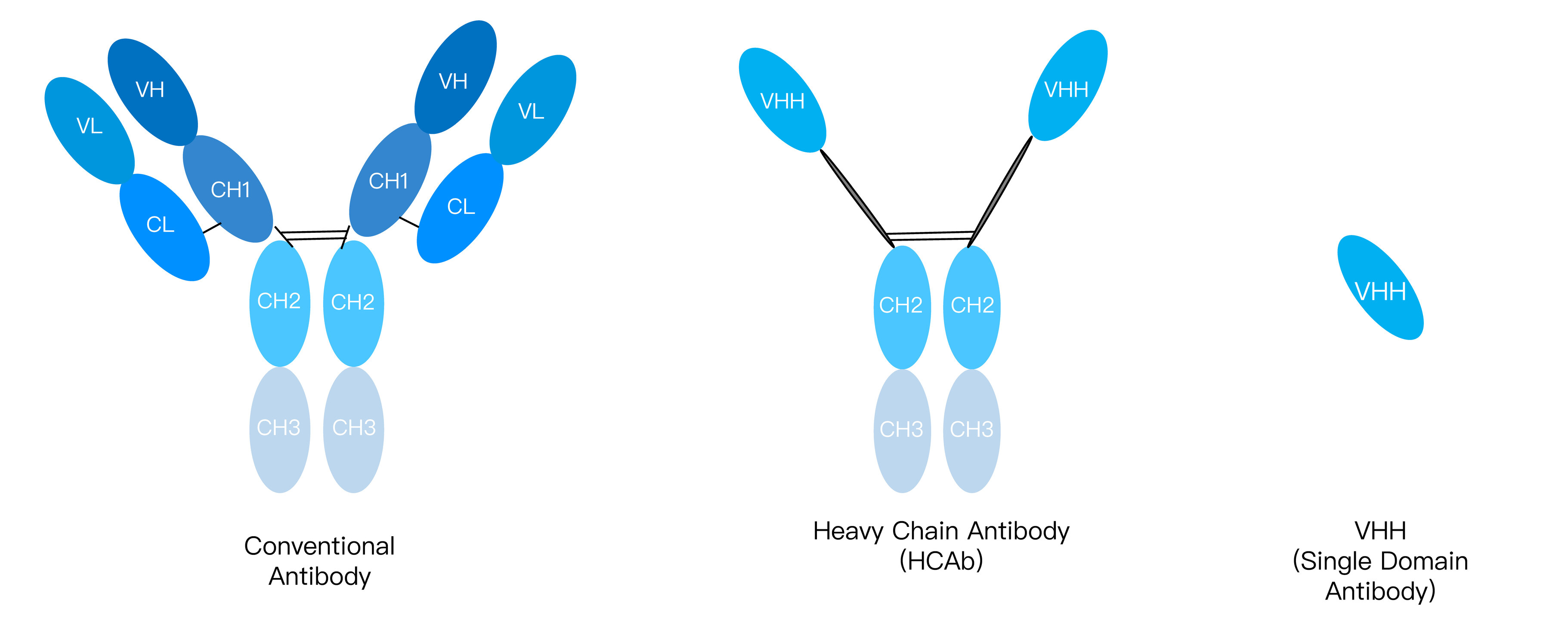
After identifying potential antibody candidates, researchers may need to refine their molecular properties to meet specific development requirements. Antibody engineering provides techniques for modifying antibody structures and improving characteristics such as binding affinity, specificity, stability, and expression performance.
These engineering activities are important because an antibody that performs well during initial screening may require additional optimization before it becomes suitable for more advanced research or development applications.
Developing Antibodies With Desired Characteristics
Antibody engineering can involve sequence modification, molecular design, and comparative evaluation of different antibody formats. The selected strategy depends on the biological target and the functional properties required for the project.
Careful optimization helps researchers investigate potential improvements while maintaining the molecular characteristics necessary for the intended application. Combining discovery and engineering capabilities can also create a more connected pathway from initial candidate identification to advanced antibody development.
Stable Cell Line Development and Strain Engineering for Reliable Production
Consistent biological production is a fundamental requirement in many biotechnology and pharmaceutical applications. Stable cell line development focuses on creating and selecting cell populations that can reliably express a target protein over multiple generations under defined conditions.
The process generally involves selecting an appropriate host system, introducing the required genetic material, screening candidate clones, and evaluating their productivity and stability. Researchers may also assess expression consistency and other characteristics to identify suitable production candidates.
The Role of Strain Engineering
Strain engineering offers another important approach to improving biological production systems. By modifying microbial or other suitable production strains, researchers can investigate ways to improve productivity, metabolic characteristics, and process efficiency.
These capabilities are particularly useful when developing biological manufacturing processes that require consistent performance and carefully controlled production conditions. Reliable cell line and strain development can provide a stronger foundation for downstream expression and purification activities.
Recombinant Antibody and Protein Expression and Purification
Recombinant protein technology allows researchers to produce specific biological molecules through engineered expression systems. It plays an important role in pharmaceutical development, molecular biology, diagnostic research, and other scientific applications.
Achieving successful protein production involves selecting a suitable expression host, optimizing experimental conditions, and implementing appropriate purification strategies. Different proteins can present different technical challenges depending on their structure, biological activity, and production requirements.
Optimizing Recombinant Protein Expression
Expression optimization focuses on improving the production of the desired protein while considering factors such as host compatibility, culture conditions, and protein characteristics. Appropriate expression strategies can support the development of materials for subsequent research and evaluation.
Purification and Product Quality
Following expression, purification methods are used to separate the target molecule from unwanted components. The appropriate approach depends on the properties of the protein and the quality requirements of the intended application.
Coordinating expression and purification activities can help create a more efficient development workflow. It also allows researchers to consider production and downstream processing requirements together rather than treating them as completely separate activities.
How the Different Service Platforms Work Together
One of the most important advantages of comprehensive biotechnology services is the ability to connect multiple research stages within a coordinated development strategy. Although every project has unique requirements, a typical workflow may begin with defining the scientific objectives and identifying the appropriate biological targets.
For antibody-based projects, the process may progress through antibody discovery and candidate screening, followed by engineering and molecular optimization. Once a suitable candidate has been identified, stable cell line development or another appropriate expression strategy may support its production. Recombinant expression and purification activities can then help generate biological materials for further evaluation.
Throughout these stages, experimental findings guide decisions about optimization and subsequent development activities. This structured approach supports communication between different technical disciplines and helps maintain alignment with project objectives.
Why Scientific Integrity and Continuous Innovation Matter
Advanced equipment and laboratory expertise are important, but successful biotechnology partnerships also depend on professional values. Integrity, innovation, and excellence provide a meaningful foundation for delivering dependable research services.
Integrity in Scientific Collaboration
Integrity encourages responsible research practices, transparent communication, and professional accountability. These qualities help establish trust between biotechnology service providers and their clients.
Innovation Through Technological Advancement
Continuous innovation enables research organizations to explore emerging technologies, improve existing methods, and adapt to changing scientific requirements. In a competitive biotechnology environment, technological development is essential for maintaining relevant and effective service capabilities.
Excellence in Research and Development
Excellence involves maintaining attention to experimental quality, technical precision, and client expectations. A consistent commitment to improvement helps ensure that research strategies remain aligned with the specific needs of each project.
What Makes a Specialized Biotechnology Partner a Valuable Choice?
Selecting the right research partner can influence the efficiency and direction of a biotechnology development project. Organizations benefit from working with providers that combine multiple technical capabilities with a clear commitment to scientific progress.
Important considerations include access to specialized antibody discovery and engineering platforms, experience with stable cell line development, recombinant protein production capabilities, and appropriate purification technologies.
Equally important is the ability to understand individual project requirements and recommend suitable technical approaches. Flexible collaboration, continuous technological improvement, and a commitment to research quality can help organizations address complicated development challenges more effectively.
Supporting the Next Chapter of Biopharmaceutical Innovation
The future of life science research depends on combining scientific expertise with advanced technologies and reliable development strategies. Antibody drug discovery, antibody engineering, stable cell line development, strain engineering, and recombinant protein expression and purification all contribute important capabilities to modern biotechnology.
By bringing these specialized platforms together with a commitment to integrity, innovation, and excellence, KMD Bioscience supports organizations pursuing new opportunities in pharmaceutical and biological research. Its focus on continuous technological advancement reflects the importance of developing solutions that respond to evolving scientific and client requirements.
For biotechnology companies, pharmaceutical developers, and research institutions seeking specialized technical support, choosing a capable research partner is an important investment in future progress. Explore KMD Bioscience to discover its integrated biotechnology platforms and find professional research solutions designed to support your next scientific development project.