Why Comics?
1 2022-07-12T19:51:25+00:00 stephanie takaragawa 1d2e1252301aeca0fbea50c7dc35d44249a1e1f1 156 16 plain 2022-10-24T03:28:40+00:00 stephanie takaragawa 1d2e1252301aeca0fbea50c7dc35d44249a1e1f1Page
| resource | rdf:resource | https://scalar.chapman.edu/scalar/imagesandimaginings/what-are-comics |
| type | rdf:type | http://scalar.usc.edu/2012/01/scalar-ns#Composite |
| is live | scalar:isLive | 1 |
| background | scalar:background | https://scalar.chapman.edu/scalar/images-and-imaginings-of-internment-comics-and-illustrations-of-camp/media/2B6DAEF0-14AB-403B-9096-974645037C72.jpeg |
| was attributed to | prov:wasAttributedTo | https://scalar.chapman.edu/scalar/imagesandimaginings/users/42 |
| created | dcterms:created | 2022-07-12T19:51:25+00:00 |

Version 16
| resource | rdf:resource | https://scalar.chapman.edu/scalar/imagesandimaginings/what-are-comics.16 |
| versionnumber | ov:versionnumber | 16 |
| title | dcterms:title | Why Comics? |
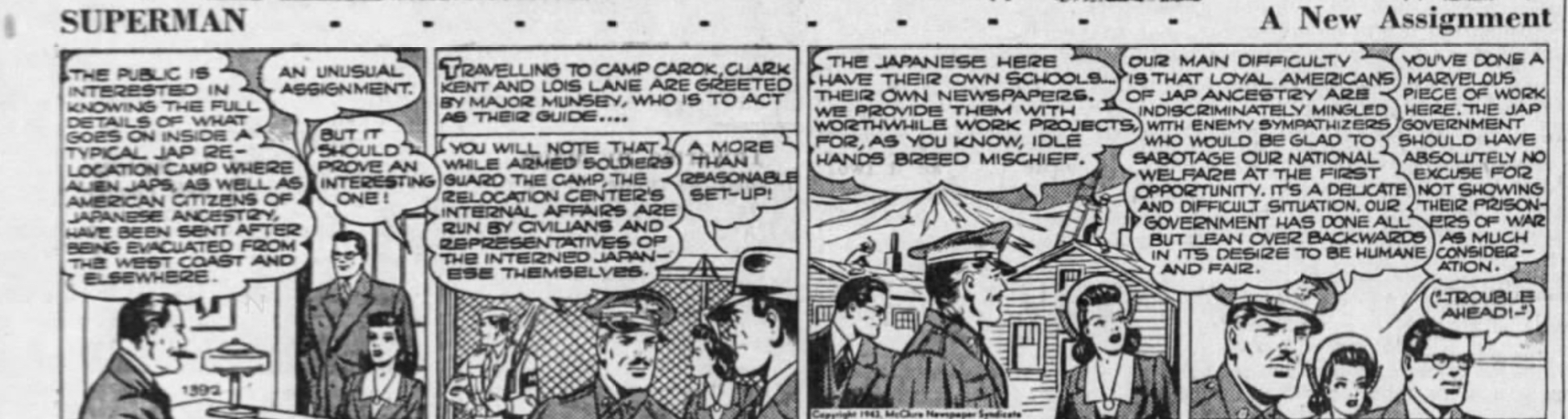
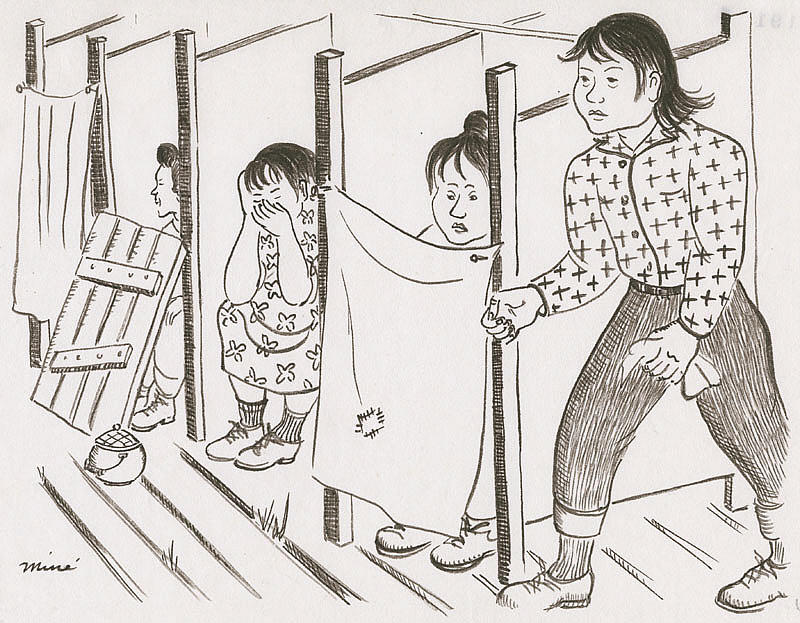
| content | sioc:content | “juxtaposed pictorial and other images in deliberate sequence, intended to convey information and/or produce an aesthetic response in the viewer.” Everyone knows that comic book art is intended to tell its story through pictures. The more successful a comic is in doing this, the more people like it. This is what makes a comic popular. Its not simply pictures, but its pictures telling a story important to the viewers. During WWII, the use of Japanese American incarceration camps in comics created, for many people, the only image of internment camps that they had. This Superman comic strip depicts the questions of the loyalty of some of those incarcerated in the camps, creating fear in the public sphere that perhaps, those detained are threatening and should be feared. Images like this helped to contribute to the Yellow Peril of WWII. Most Americans would never seen an incarceration camp because they were all located in remote and inhospitable places. Major comic companies such as DC and Marvel also created images of Japanese American internment that tried to convince the public that the incarceration sites were good. These images were very harmful and used negative stereotypes of Japanese American people. This shows how powerful images are in shaping the way that we perceive the world around us. However, within the camps, various artists were also illustrating their day to day realities. This image shows the womens' latrines. Drawn by artist Mine Okubo, it is one of the few representations of what day to day life facilities looked like. With little privacy, these women used parts of boxes, cloth and other found objects to provide some semblance of privacy. Comics and illustrations were widely used both inside and outside the camps and this projects chose comics because of its widespread accessibility and the fact that popular culture, rather than research, might also be the primary source of information about incarceration camps. As we move farther away from this history, the actual facts fade away. Looking at primary source documents (documents that were created during WWII in the internment camps and outside of the camps) give us insight into what people who were living through this period, thought about what was happening. ">According to the definition made by Scott McCloud’s Understanding Comics, a comic is “juxtaposed pictorial and other images in deliberate sequence, intended to convey information and/or produce an aesthetic response in the viewer.” Everyone knows that comic book art is intended to tell its story through pictures. The more successful a comic is in doing this, the more people like it. This is what makes a comic popular. Its not simply pictures, but its pictures telling a story important to the viewers. During WWII, the use of Japanese American incarceration camps in comics created, for many people, the only image of internment camps that they had. This Superman comic strip depicts the questions of the loyalty of some of those incarcerated in the camps, creating fear in the public sphere that perhaps, those detained are threatening and should be feared. Images like this helped to contribute to the Yellow Peril of WWII. Most Americans would never seen an incarceration camp because they were all located in remote and inhospitable places. Major comic companies such as DC and Marvel also created images of Japanese American internment that tried to convince the public that the incarceration sites were good. These images were very harmful and used negative stereotypes of Japanese American people. This shows how powerful images are in shaping the way that we perceive the world around us. However, within the camps, various artists were also illustrating their day to day realities. This image shows the womens' latrines. Drawn by artist Mine Okubo, it is one of the few representations of what day to day life facilities looked like. With little privacy, these women used parts of boxes, cloth and other found objects to provide some semblance of privacy. Comics and illustrations were widely used both inside and outside the camps and this projects chose comics because of its widespread accessibility and the fact that popular culture, rather than research, might also be the primary source of information about incarceration camps. As we move farther away from this history, the actual facts fade away. Looking at primary source documents (documents that were created during WWII in the internment camps and outside of the camps) give us insight into what people who were living through this period, thought about what was happening. |
| default view | scalar:defaultView | plain |
| was attributed to | prov:wasAttributedTo | https://scalar.chapman.edu/scalar/imagesandimaginings/users/42 |
| created | dcterms:created | 2022-10-24T03:28:40+00:00 |
| type | rdf:type | http://scalar.usc.edu/2012/01/scalar-ns#Version |
Version 15
| resource | rdf:resource | https://scalar.chapman.edu/scalar/imagesandimaginings/what-are-comics.15 |
| versionnumber | ov:versionnumber | 15 |
| title | dcterms:title | Why Comics? |
| content | sioc:content | “juxtaposed pictorial and other images in deliberate sequence, intended to convey information and/or produce an aesthetic response in the viewer.” Everyone knows that comic book art is intended to tell its story through pictures. The more successful a comic is in doing this, the more people like it. This is what makes a comic popular. Its not simply pictures, but its pictures telling a story important to the viewers. During WWII, the use of Japanese American incarceration camps in comics created, for many people, the only image of internment camps that they had. This Superman comic strip depicts the questions of the loyalty of some of those incarcerated in the camps, creating fear in the public sphere that perhaps, those detained are threatening and should be feared. Images like this helped to contribute to the Yellow Peril of WWII. Most Americans would never seen an incarceration camp because they were all located in remote and inhospitable places. Major comic companies such as DC and Marvel also created images of Japanese American internment that tried to convince the public that the incarceration sites were good. These images were very harmful and used negative stereotypes of Japanese American people. This shows how powerful images are in shaping the way that we perceive the world around us. However, within the camps, various artists were also illustrating their day to day realities. This image shows the womens' latrines. Drawn by artist Mine Okubo, it is one of the few representations of what day to day life facilities looked like. With little privacy, these women used parts of boxes, cloth and other found objects to provide some semblance of privacy. Comics and illustrations were widely used both inside and outside the camps and this projects chose comics because of its widespread accessibility and the fact that popular culture, rather than research, might also be the primary source of information about incarceration camps. As we move farther away from this history, the actual facts fade away. Looking at primary source documents (documents that were created during WWII in the internment camps and outside of the camps) give us insight into what people who were living through this period, thought about what was happening. ">According to the definition made by Scott McCloud’s Understanding Comics, a comic is “juxtaposed pictorial and other images in deliberate sequence, intended to convey information and/or produce an aesthetic response in the viewer.” Everyone knows that comic book art is intended to tell its story through pictures. The more successful a comic is in doing this, the more people like it. This is what makes a comic popular. Its not simply pictures, but its pictures telling a story important to the viewers. During WWII, the use of Japanese American incarceration camps in comics created, for many people, the only image of internment camps that they had. This Superman comic strip depicts the questions of the loyalty of some of those incarcerated in the camps, creating fear in the public sphere that perhaps, those detained are threatening and should be feared. Images like this helped to contribute to the Yellow Peril of WWII. Most Americans would never seen an incarceration camp because they were all located in remote and inhospitable places. Major comic companies such as DC and Marvel also created images of Japanese American internment that tried to convince the public that the incarceration sites were good. These images were very harmful and used negative stereotypes of Japanese American people. This shows how powerful images are in shaping the way that we perceive the world around us. However, within the camps, various artists were also illustrating their day to day realities. This image shows the womens' latrines. Drawn by artist Mine Okubo, it is one of the few representations of what day to day life facilities looked like. With little privacy, these women used parts of boxes, cloth and other found objects to provide some semblance of privacy. Comics and illustrations were widely used both inside and outside the camps and this projects chose comics because of its widespread accessibility and the fact that popular culture, rather than research, might also be the primary source of information about incarceration camps. As we move farther away from this history, the actual facts fade away. Looking at primary source documents (documents that were created during WWII in the internment camps and outside of the camps) give us insight into what people who were living through this period, thought about what was happening. |
| default view | scalar:defaultView | plain |
| was attributed to | prov:wasAttributedTo | https://scalar.chapman.edu/scalar/imagesandimaginings/users/42 |
| created | dcterms:created | 2022-10-22T19:45:24+00:00 |
| type | rdf:type | http://scalar.usc.edu/2012/01/scalar-ns#Version |
Version 14
| resource | rdf:resource | https://scalar.chapman.edu/scalar/imagesandimaginings/what-are-comics.14 |
| versionnumber | ov:versionnumber | 14 |
| title | dcterms:title | Why Comics? |
| content | sioc:content | “juxtaposed pictorial and other images in deliberate sequence, intended to convey information and/or produce an aesthetic response in the viewer.” Everyone knows that comic book art is intended to tell its story through pictures. The more successful a comic is in doing this, the more people like it. This is what makes a comic popular. Its not simply pictures, but its pictures telling a story important to the viewers. During WWII, the use of Japanese American incarceration camps in comics created, for many people, the only image of internment camps that they had. Most Americans would never seen an incarceration camp because they were all located in remote and inhospitable places. Major comic companies such as DC and Marvel also created images of Japanese American internment that tried to convince the public that the incarceration sites were good. These images were very harmful and used negative stereotypes of Japanese American people. This shows how powerful images are in shaping the way that we perceive the world around us. Therefore we chose comics because it was likely one of the most common ways people outside of the camps were understanding the incarceration. As we move farther away from this history, the actual facts fade away. Looking at primary source documents (documents that were created during WWII in the internment camps and outside of the camps) give us insight into what people who were living through this period, thought about what was happening. ">According to the definition made by Scott McCloud’s Understanding Comics, a comic is “juxtaposed pictorial and other images in deliberate sequence, intended to convey information and/or produce an aesthetic response in the viewer.” Everyone knows that comic book art is intended to tell its story through pictures. The more successful a comic is in doing this, the more people like it. This is what makes a comic popular. Its not simply pictures, but its pictures telling a story important to the viewers. During WWII, the use of Japanese American incarceration camps in comics created, for many people, the only image of internment camps that they had. Most Americans would never seen an incarceration camp because they were all located in remote and inhospitable places. Major comic companies such as DC and Marvel also created images of Japanese American internment that tried to convince the public that the incarceration sites were good. These images were very harmful and used negative stereotypes of Japanese American people. This shows how powerful images are in shaping the way that we perceive the world around us. Therefore we chose comics because it was likely one of the most common ways people outside of the camps were understanding the incarceration. As we move farther away from this history, the actual facts fade away. Looking at primary source documents (documents that were created during WWII in the internment camps and outside of the camps) give us insight into what people who were living through this period, thought about what was happening. |
| default view | scalar:defaultView | plain |
| was attributed to | prov:wasAttributedTo | https://scalar.chapman.edu/scalar/imagesandimaginings/users/42 |
| created | dcterms:created | 2022-10-22T19:22:27+00:00 |
| type | rdf:type | http://scalar.usc.edu/2012/01/scalar-ns#Version |
Version 13
| resource | rdf:resource | https://scalar.chapman.edu/scalar/imagesandimaginings/what-are-comics.13 |
| versionnumber | ov:versionnumber | 13 |
| title | dcterms:title | Why Comics? |
| content | sioc:content | “juxtaposed pictorial and other images in deliberate sequence, intended to convey information and/or produce an aesthetic response in the viewer.” Everyone knows that comic book art is intended to tell its story through pictures. The more successful a comic is in doing this, the more people like it. This is what makes a comic popular. Its not simply pictures, but its pictures telling a story important to the viewers. During WWII, the use of Japanese American incarceration camps in comics created, for many people, the only image of internment camps that they had. Most Americans would never seen an incarceration camp because they were all located in remote and inhospitable places. Major comic companies such as DC and Marvel also created images of Japanese American internment that tried to convince the public that the incarceration sites were good. These images were very harmful and used negative stereotypes of Japanese American people. This shows how powerful images are in shaping the way that we perceive the world around us. Therefore we chose comics because it was likely one of the most common ways people outside of the camps were understanding the incarceration. As we move farther away from this history, the actual facts fade away. Looking at primary source documents (documents that were created during WWII in the internment camps and outside of the camps) give us insight into what people who were living through this period, thought about what was happening. (Quiz for what is primary source document) a picture is worth a thousand words">According to the definition made by Scott McCloud’s Understanding Comics, a comic is “juxtaposed pictorial and other images in deliberate sequence, intended to convey information and/or produce an aesthetic response in the viewer.” Everyone knows that comic book art is intended to tell its story through pictures. The more successful a comic is in doing this, the more people like it. This is what makes a comic popular. Its not simply pictures, but its pictures telling a story important to the viewers. During WWII, the use of Japanese American incarceration camps in comics created, for many people, the only image of internment camps that they had. Most Americans would never seen an incarceration camp because they were all located in remote and inhospitable places. Major comic companies such as DC and Marvel also created images of Japanese American internment that tried to convince the public that the incarceration sites were good. These images were very harmful and used negative stereotypes of Japanese American people. This shows how powerful images are in shaping the way that we perceive the world around us. Therefore we chose comics because it was likely one of the most common ways people outside of the camps were understanding the incarceration. As we move farther away from this history, the actual facts fade away. Looking at primary source documents (documents that were created during WWII in the internment camps and outside of the camps) give us insight into what people who were living through this period, thought about what was happening. (Quiz for what is primary source document) a picture is worth a thousand words |
| default view | scalar:defaultView | plain |
| was attributed to | prov:wasAttributedTo | https://scalar.chapman.edu/scalar/imagesandimaginings/users/42 |
| created | dcterms:created | 2022-10-21T22:14:36+00:00 |
| type | rdf:type | http://scalar.usc.edu/2012/01/scalar-ns#Version |
Version 12
| resource | rdf:resource | https://scalar.chapman.edu/scalar/imagesandimaginings/what-are-comics.12 |
| versionnumber | ov:versionnumber | 12 |
| title | dcterms:title | Why Comics? |
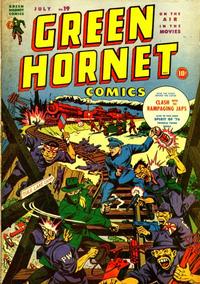
| content | sioc:content | “juxtaposed pictorial and other images in deliberate sequence, intended to convey information and/or produce an aesthetic response in the viewer.” Everyone knows that comic book art is intended to tell its story through pictures. The more successful a comic is in doing this, the more people like it. This is what makes a comic popular. Its not simply pictures, but its pictures telling a story important to the viewers. During WWII, the use of Japanese American incarceration camps in comics created, for many people, the only image of internment camps that they had. Green Hornet 19 (1944) references Tule Lake, one of the two incarceration camps in California. The yellow peril imagery is also present here. Most Americans would never seen an incarceration camp because they were all located in remote and inhospitable places. Major comic companies such as DC and Marvel also created images of Japanese American internment that tried to convince the public that the incarceration sites were good. These images were very harmful and used negative stereotypes of Japanese American people. This shows how powerful images are in shaping the way that we perceive the world around us. Therefore we chose comics because it was likely one of the most common ways people outside of the camps were understanding the incarceration. As we move farther away from this history, the actual facts fade away. Looking at primary source documents (documents that were created during WWII in the internment camps and outside of the camps) give us insight into what people who were living through this period, thought about what was happening. (Quiz for what is primary source document) a picture is worth a thousand words">According to the definition made by Scott McCloud’s Understanding Comics, a comic is “juxtaposed pictorial and other images in deliberate sequence, intended to convey information and/or produce an aesthetic response in the viewer.” Everyone knows that comic book art is intended to tell its story through pictures. The more successful a comic is in doing this, the more people like it. This is what makes a comic popular. Its not simply pictures, but its pictures telling a story important to the viewers. During WWII, the use of Japanese American incarceration camps in comics created, for many people, the only image of internment camps that they had. Green Hornet 19 (1944) references Tule Lake, one of the two incarceration camps in California. The yellow peril imagery is also present here. Most Americans would never seen an incarceration camp because they were all located in remote and inhospitable places. Major comic companies such as DC and Marvel also created images of Japanese American internment that tried to convince the public that the incarceration sites were good. These images were very harmful and used negative stereotypes of Japanese American people. This shows how powerful images are in shaping the way that we perceive the world around us. Therefore we chose comics because it was likely one of the most common ways people outside of the camps were understanding the incarceration. As we move farther away from this history, the actual facts fade away. Looking at primary source documents (documents that were created during WWII in the internment camps and outside of the camps) give us insight into what people who were living through this period, thought about what was happening. (Quiz for what is primary source document) a picture is worth a thousand words |
| default view | scalar:defaultView | plain |
| was attributed to | prov:wasAttributedTo | https://scalar.chapman.edu/scalar/imagesandimaginings/users/42 |
| created | dcterms:created | 2022-10-21T22:10:46+00:00 |
| type | rdf:type | http://scalar.usc.edu/2012/01/scalar-ns#Version |
Version 11
| resource | rdf:resource | https://scalar.chapman.edu/scalar/imagesandimaginings/what-are-comics.11 |
| versionnumber | ov:versionnumber | 11 |
| title | dcterms:title | Why Comics? |
| content | sioc:content | According to the definition made by Scott McCloud’s Understanding Comics, a comic is “juxtaposed pictorial and other images in deliberate sequence, intended to convey information and/or produce an aesthetic response in the viewer.” Everyone knows that comic book art is intended to tell its story through pictures. The more successful a comic is in doing this, the more people like it. This is what makes a comic popular. Its not simply pictures, but its pictures telling a story important to the viewers. During WWII, the use of Japanese American incarceration camps in comics created, for many people, the only image of internment camps that they had. Most Americans would never seen an incarceration camp because they were all located in remote and inhospitable places. Major comic companies such as DC and Marvel also created images of Japanese American internment that tried to convince the public that the incarceration sites were good. These images were very harmful and used negative stereotypes of Japanese American people. This shows how powerful images are in shaping the way that we perceive the world around us. Therefore we chose comics because it was likely one of the most common ways people outside of the camps were understanding the incarceration. As we move farther away from this history, the actual facts fade away. Looking at primary source documents (documents that were created during WWII in the internment camps and outside of the camps) give us insight into what people who were living through this period, thought about what was happening. (Quiz for what is primary source document) a picture is worth a thousand words |
| default view | scalar:defaultView | plain |
| was attributed to | prov:wasAttributedTo | https://scalar.chapman.edu/scalar/imagesandimaginings/users/42 |
| created | dcterms:created | 2022-10-21T22:09:31+00:00 |
| type | rdf:type | http://scalar.usc.edu/2012/01/scalar-ns#Version |
Version 10
| resource | rdf:resource | https://scalar.chapman.edu/scalar/imagesandimaginings/what-are-comics.10 |
| versionnumber | ov:versionnumber | 10 |
| title | dcterms:title | Why Comics? |
| content | sioc:content | “juxtaposed pictorial and other images in deliberate sequence, intended to convey information and/or produce an aesthetic response in the viewer.” Everyone knows that comic book art is intended to tell its story through pictures. The more successful a comic is in doing this, the more people like it. This is what makes a comic popular. Its not simply pictures, but its pictures telling a story important to the viewers. During WWII, the use of Japanese American incarceration camps in comics created, for many people, the only image of internment camps that they had. This Green Hornet cover from 1944 references Tule Lake incarceration camp, and a yellow peril narrative. Most Americans would never seen an incarceration camp because they were all located in remote and inhospitable places. Major comic companies such as DC and Marvel also created images of Japanese American internment that tried to convince the public that the incarceration sites were good. These images were very harmful and used negative stereotypes of Japanese American people. This shows how powerful images are in shaping the way that we perceive the world around us. Therefore we chose comics because it was likely one of the most common ways people outside of the camps were understanding the incarceration. As we move farther away from this history, the actual facts fade away. Looking at primary source documents (documents that were created during WWII in the internment camps and outside of the camps) give us insight into what people who were living through this period, thought about what was happening. (Quiz for what is primary source document) a picture is worth a thousand words">According to the definition made by Scott McCloud’s Understanding Comics, a comic is “juxtaposed pictorial and other images in deliberate sequence, intended to convey information and/or produce an aesthetic response in the viewer.” Everyone knows that comic book art is intended to tell its story through pictures. The more successful a comic is in doing this, the more people like it. This is what makes a comic popular. Its not simply pictures, but its pictures telling a story important to the viewers. During WWII, the use of Japanese American incarceration camps in comics created, for many people, the only image of internment camps that they had. This Green Hornet cover from 1944 references Tule Lake incarceration camp, and a yellow peril narrative. Most Americans would never seen an incarceration camp because they were all located in remote and inhospitable places. Major comic companies such as DC and Marvel also created images of Japanese American internment that tried to convince the public that the incarceration sites were good. These images were very harmful and used negative stereotypes of Japanese American people. This shows how powerful images are in shaping the way that we perceive the world around us. Therefore we chose comics because it was likely one of the most common ways people outside of the camps were understanding the incarceration. As we move farther away from this history, the actual facts fade away. Looking at primary source documents (documents that were created during WWII in the internment camps and outside of the camps) give us insight into what people who were living through this period, thought about what was happening. (Quiz for what is primary source document) a picture is worth a thousand words |
| default view | scalar:defaultView | plain |
| was attributed to | prov:wasAttributedTo | https://scalar.chapman.edu/scalar/imagesandimaginings/users/42 |
| created | dcterms:created | 2022-10-21T22:09:15+00:00 |
| type | rdf:type | http://scalar.usc.edu/2012/01/scalar-ns#Version |
Version 9
| resource | rdf:resource | https://scalar.chapman.edu/scalar/imagesandimaginings/what-are-comics.9 |
| versionnumber | ov:versionnumber | 9 |
| title | dcterms:title | Why Comics? |
| content | sioc:content | “juxtaposed pictorial and other images in deliberate sequence, intended to convey information and/or produce an aesthetic response in the viewer.” Everyone knows that comic book art is intended to tell its story through pictures. The more successful a comic is in doing this, the more people like it. This is what makes a comic popular. Its not simply pictures, but its pictures telling a story important to the viewers. During WWII, the use of Japanese American incarceration camps in comics created, for many people, the only image of internment camps that they had. This Green Hornet cover from 1944 references Tule Lake incarceration camp, and a yellow peril narrative. Most Americans would never seen an incarceration camp because they were all located in remote and inhospitable places. Major comic companies such as DC and Marvel also created images of Japanese American internment that tried to convince the public that the incarceration sites were good. These images were very harmful and used negative stereotypes of Japanese American people. This shows how powerful images are in shaping the way that we perceive the world around us. Therefore we chose comics because it was likely one of the most common ways people outside of the camps were understanding the incarceration. As we move farther away from this history, the actual facts fade away. Looking at primary source documents (documents that were created during WWII in the internment camps and outside of the camps) give us insight into what people who were living through this period, thought about what was happening. (Quiz for what is primary source document) a picture is worth a thousand words">According to the definition made by Scott McCloud’s Understanding Comics, a comic is “juxtaposed pictorial and other images in deliberate sequence, intended to convey information and/or produce an aesthetic response in the viewer.” Everyone knows that comic book art is intended to tell its story through pictures. The more successful a comic is in doing this, the more people like it. This is what makes a comic popular. Its not simply pictures, but its pictures telling a story important to the viewers. During WWII, the use of Japanese American incarceration camps in comics created, for many people, the only image of internment camps that they had. This Green Hornet cover from 1944 references Tule Lake incarceration camp, and a yellow peril narrative. Most Americans would never seen an incarceration camp because they were all located in remote and inhospitable places. Major comic companies such as DC and Marvel also created images of Japanese American internment that tried to convince the public that the incarceration sites were good. These images were very harmful and used negative stereotypes of Japanese American people. This shows how powerful images are in shaping the way that we perceive the world around us. Therefore we chose comics because it was likely one of the most common ways people outside of the camps were understanding the incarceration. As we move farther away from this history, the actual facts fade away. Looking at primary source documents (documents that were created during WWII in the internment camps and outside of the camps) give us insight into what people who were living through this period, thought about what was happening. (Quiz for what is primary source document) a picture is worth a thousand words |
| default view | scalar:defaultView | plain |
| was attributed to | prov:wasAttributedTo | https://scalar.chapman.edu/scalar/imagesandimaginings/users/42 |
| created | dcterms:created | 2022-10-21T22:09:14+00:00 |
| type | rdf:type | http://scalar.usc.edu/2012/01/scalar-ns#Version |
Version 8
| resource | rdf:resource | https://scalar.chapman.edu/scalar/imagesandimaginings/what-are-comics.8 |
| versionnumber | ov:versionnumber | 8 |
| title | dcterms:title | Why Comics? |
| content | sioc:content | According to the definition made by Scott McCloud’s Understanding Comics, a comic is “juxtaposed pictorial and other images in deliberate sequence, intended to convey information and/or produce an aesthetic response in the viewer.” Everyone knows that comic book art is intended to tell its story through pictures. The more successful a comic is in doing this, the more people like it. This is what makes a comic popular. Its not simply pictures, but its pictures telling a story important to the viewers. During WWII, the use of Japanese American incarceration camps in comics created, for many people, the only image of internment camps that they had. Most Americans would never seen an incarceration camp because they were all located in remote and inhospitable places. Major comic companies such as DC and Marvel also created images of Japanese American internment that tried to convince the public that the incarceration sites were good. These images were very harmful and used negative stereotypes of Japanese American people. This shows how powerful images are in shaping the way that we perceive the world around us. Therefore we chose comics because it was likely one of the most common ways people outside of the camps were understanding the incarceration. As we move farther away from this history, the actual facts fade away. Looking at primary source documents (documents that were created during WWII in the internment camps and outside of the camps) give us insight into what people who were living through this period, thought about what was happening. (Quiz for what is primary source document) a picture is worth a thousand words |
| default view | scalar:defaultView | plain |
| was attributed to | prov:wasAttributedTo | https://scalar.chapman.edu/scalar/imagesandimaginings/users/42 |
| created | dcterms:created | 2022-10-21T22:07:36+00:00 |
| type | rdf:type | http://scalar.usc.edu/2012/01/scalar-ns#Version |
Version 7
| resource | rdf:resource | https://scalar.chapman.edu/scalar/imagesandimaginings/what-are-comics.7 |
| versionnumber | ov:versionnumber | 7 |
| title | dcterms:title | Why Comics? |
| content | sioc:content | “juxtaposed pictorial and other images in deliberate sequence, intended to convey information and/or produce an aesthetic response in the viewer.” Everyone knows that comic book art is intended to tell its story through pictures. The more successful a comic is in doing this, the more people like it. This is what makes a comic popular. Its not simply pictures, but its pictures telling a story important to the viewers. During WWII, the use of Japanese American incarceration camps in comics created, for many people, the only image of internment camps that they had. Most Americans would never seen an incarceration camp because they were all located in remote and inhospitable places. Major comic companies such as DC and Marvel also created images of Japanese American internment that tried to convince the public that the incarceration sites were good. These images were very harmful and used negative stereotypes of Japanese American people. This shows how powerful images are in shaping the way that we perceive the world around us. Green Hornet #19 references incarceration site TULE LAKE Therefore we chose comics because it was likely one of the most common ways people outside of the camps were understanding the incarceration. As we move farther away from this history, the actual facts fade away. Looking at primary source documents (documents that were created during WWII in the internment camps and outside of the camps) give us insight into what people who were living through this period, thought about what was happening. (Quiz for what is primary source document) a picture is worth a thousand words">According to the definition made by Scott McCloud’s Understanding Comics, a comic is “juxtaposed pictorial and other images in deliberate sequence, intended to convey information and/or produce an aesthetic response in the viewer.” Everyone knows that comic book art is intended to tell its story through pictures. The more successful a comic is in doing this, the more people like it. This is what makes a comic popular. Its not simply pictures, but its pictures telling a story important to the viewers. During WWII, the use of Japanese American incarceration camps in comics created, for many people, the only image of internment camps that they had. Most Americans would never seen an incarceration camp because they were all located in remote and inhospitable places. Major comic companies such as DC and Marvel also created images of Japanese American internment that tried to convince the public that the incarceration sites were good. These images were very harmful and used negative stereotypes of Japanese American people. This shows how powerful images are in shaping the way that we perceive the world around us. Green Hornet #19 references incarceration site TULE LAKE Therefore we chose comics because it was likely one of the most common ways people outside of the camps were understanding the incarceration. As we move farther away from this history, the actual facts fade away. Looking at primary source documents (documents that were created during WWII in the internment camps and outside of the camps) give us insight into what people who were living through this period, thought about what was happening. (Quiz for what is primary source document) a picture is worth a thousand words |
| default view | scalar:defaultView | plain |
| was attributed to | prov:wasAttributedTo | https://scalar.chapman.edu/scalar/imagesandimaginings/users/42 |
| created | dcterms:created | 2022-10-21T22:06:17+00:00 |
| type | rdf:type | http://scalar.usc.edu/2012/01/scalar-ns#Version |
Version 6
| resource | rdf:resource | https://scalar.chapman.edu/scalar/imagesandimaginings/what-are-comics.6 |
| versionnumber | ov:versionnumber | 6 |
| title | dcterms:title | Why Comics? |
| content | sioc:content | According to the definition made by Scott McCloud’s Understanding Comics, a comic is “juxtaposed pictorial and other images in deliberate sequence, intended to convey information and/or produce an aesthetic response in the viewer.” Everyone knows that comic book art is intended to tell its story through pictures. The more successful a comic is in doing this, the more people like it. This is what makes a comic popular. Its not simply pictures, but its pictures telling a story important to the viewers. During WWII, the use of Japanese American incarceration camps in comics created, for many people, the only image of internment camps that they had. Most Americans would never seen an incarceration camp because they were all located in remote and inhospitable places. Major comic companies such as DC and Marvel also created images of Japanese American internment that tried to convince the public that the incarceration sites were good. These images were very harmful and used negative stereotypes of Japanese American people. This shows how powerful images are in shaping the way that we perceive the world around us. Therefore we chose comics because it was likely one of the most common ways people outside of the camps were understanding the incarceration. As we move farther away from this history, the actual facts fade away. Looking at primary source documents (documents that were created during WWII in the internment camps and outside of the camps) give us insight into what people who were living through this period, thought about what was happening. (Quiz for what is primary source document) a picture is worth a thousand words |
| default view | scalar:defaultView | plain |
| was attributed to | prov:wasAttributedTo | https://scalar.chapman.edu/scalar/imagesandimaginings/users/3 |
| created | dcterms:created | 2022-07-15T23:30:45+00:00 |
| type | rdf:type | http://scalar.usc.edu/2012/01/scalar-ns#Version |
Version 5
| resource | rdf:resource | https://scalar.chapman.edu/scalar/imagesandimaginings/what-are-comics.5 |
| versionnumber | ov:versionnumber | 5 |
| title | dcterms:title | Why Comics? |
| content | sioc:content | According to the definition made by Scott McCloud’s Understanding Comics, a comic is “juxtaposed pictorial and other images in deliberate sequence, intended to convey information and/or produce an aesthetic response in the viewer.” Everyone knows that comic book art is intended to tell its story through pictures. The more successful a comic is in doing this, the more people like it. This is what makes a comic popular. Its not simply pictures, but its pictures telling a story important to the viewers. During WWII, the use of Japanese American incarceration camps in comics created, for many people, the only image of internment camps that they had. Most Americans would never seen an incarceration camp because they were all located in remote and inhospitable places. Therefore we chose comics because it was likely one of the most common ways people outside of the camps were understanding the incarceration. As we move farther away from this history, the actual facts fade away. Looking at primary source documents (documents that were created during WWII in the internment camps and outside of the camps) give us insight into what people who were living through this period, thought about what was happening. (Quiz for what is primary source document) a picture is worth a thousand words |
| default view | scalar:defaultView | plain |
| was attributed to | prov:wasAttributedTo | https://scalar.chapman.edu/scalar/imagesandimaginings/users/42 |
| created | dcterms:created | 2022-07-15T23:20:41+00:00 |
| type | rdf:type | http://scalar.usc.edu/2012/01/scalar-ns#Version |
Version 4
| resource | rdf:resource | https://scalar.chapman.edu/scalar/imagesandimaginings/what-are-comics.4 |
| versionnumber | ov:versionnumber | 4 |
| title | dcterms:title | What are comics? |
| content | sioc:content | According to the definition made by Scott McCloud’s Understanding Comics, a comic is “juxtaposed pictorial and other images in deliberate sequence, intended to convey information and/or produce an aesthetic response in the viewer.” This definition might seem overly specific, but each word is necessary to differentiate the medium of comics from similar forms, such as animation or illustration, as well as create a spine onto which the art form of comics can build upon. |
| default view | scalar:defaultView | plain |
| was attributed to | prov:wasAttributedTo | https://scalar.chapman.edu/scalar/imagesandimaginings/users/3 |
| created | dcterms:created | 2022-07-12T20:20:00+00:00 |
| type | rdf:type | http://scalar.usc.edu/2012/01/scalar-ns#Version |
Version 3
| resource | rdf:resource | https://scalar.chapman.edu/scalar/imagesandimaginings/what-are-comics.3 |
| versionnumber | ov:versionnumber | 3 |
| title | dcterms:title | What are comics? |
| content | sioc:content | According to the definition made by Scott McCloud’s Understanding Comics, a comic is “juxtaposed pictorial and other images in deliberate sequence, intended to convey information and/or produce an aesthetic response in the viewer.” This definition might seem overly specific, but each word is necessary to differentiate the medium of comics from similar forms, such as animation or illustration, as well as create a spine onto which the art form of comics can build upon. |
| default view | scalar:defaultView | plain |
| was attributed to | prov:wasAttributedTo | https://scalar.chapman.edu/scalar/imagesandimaginings/users/3 |
| created | dcterms:created | 2022-07-12T20:18:14+00:00 |
| type | rdf:type | http://scalar.usc.edu/2012/01/scalar-ns#Version |
Version 2
| resource | rdf:resource | https://scalar.chapman.edu/scalar/imagesandimaginings/what-are-comics.2 |
| versionnumber | ov:versionnumber | 2 |
| title | dcterms:title | what are comics? |
| content | sioc:content | According to the definition made by Scott McCloud’s Understanding Comics, a comic is “juxtaposed pictorial and other images in deliberate sequence, intended to convey information and/or produce an aesthetic response in the viewer.” This definition might seem overly specific, but each word is necessary to differentiate the medium of comics from similar forms, such as animation or illustration, as well as create a spine onto which the art form of comics can build upon. |
| default view | scalar:defaultView | plain |
| was attributed to | prov:wasAttributedTo | https://scalar.chapman.edu/scalar/imagesandimaginings/users/42 |
| created | dcterms:created | 2022-07-12T19:52:32+00:00 |
| type | rdf:type | http://scalar.usc.edu/2012/01/scalar-ns#Version |
Version 1
| resource | rdf:resource | https://scalar.chapman.edu/scalar/imagesandimaginings/what-are-comics.1 |
| versionnumber | ov:versionnumber | 1 |
| title | dcterms:title | what are comics? |
| content | sioc:content | According to the definition made by Scott McCloud’s Understanding Comics, a comic is “juxtaposed pictorial and other images in deliberate sequence, intended to convey information and/or produce an aesthetic response in the viewer.” This definition might seem overly specific, but each word is necessary to differentiate the medium of comics from similar forms, such as animation or illustration, as well as create a spine onto which the art form of comics can build upon. |
| default view | scalar:defaultView | plain |
| was attributed to | prov:wasAttributedTo | https://scalar.chapman.edu/scalar/imagesandimaginings/users/42 |
| created | dcterms:created | 2022-07-12T19:51:25+00:00 |
| type | rdf:type | http://scalar.usc.edu/2012/01/scalar-ns#Version |